


Three studies show benefits in adults inadequately controlled with diet and exercise, receiving metformin, using basal insulin
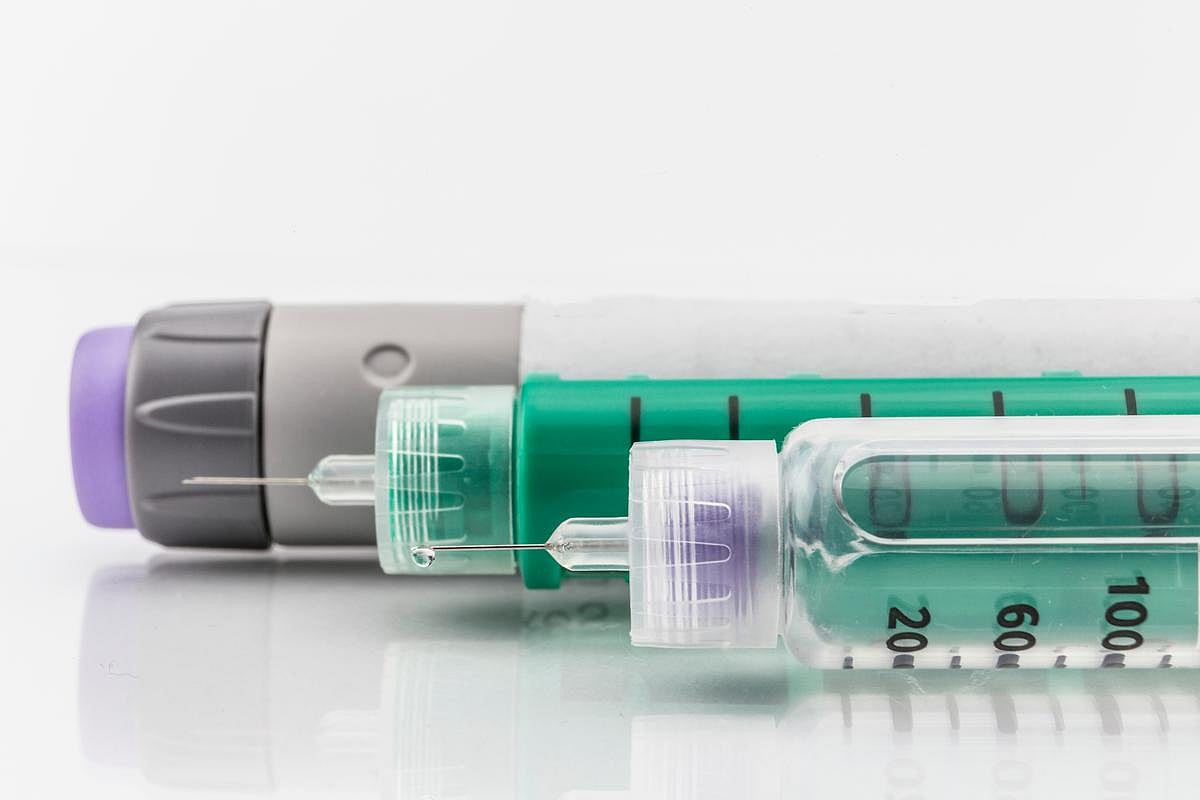
FRIDAY, June 12, 2026 (HealthDay News) — Once-weekly cagrilintide, an amylin receptor agonist, plus semaglutide is efficacious for adults with type 2 diabetes inadequately controlled with diet and exercise, receiving metformin with or without a sodium glucose cotransporter 2 inhibitor (SGLT2i), and using basal insulin, according to three studies published online June 7 in The Lancet Diabetes & Endocrinology and The Lancet to coincide with the annual meeting of the American Diabetes Association, held from June 5 to 8 in New Orleans.
Vanita R. Aroda, M.D., from Brigham and Women”s Hospital in Boston, and colleagues randomly assigned adults with type 2 diabetes inadequately controlled with diet and exercise to receive once-weekly subcutaneous cagrilintide 2.4 mg plus semaglutide 2.4 mg, cagrilintide 1.0 mg plus semaglutide 1.0 mg, or placebo for 40 weeks (62, 63, and 64 participants, respectively). The researchers found that the estimated mean change in hemoglobin A1c (HbA1c) after 40 weeks was −1.8, −1.5, and −0.1 percentage points for cagrilintide-semaglutide 2.4 mg each, 1.0 mg each, and placebo, respectively.
John B. Buse, M.D., from the University of North Carolina School of Medicine in Chapel Hill, and colleagues randomly assigned 2,713 adults with inadequately controlled type 2 diabetes receiving metformin with or without SGLT2i with overweight or obesity to receive cagrilintide-semaglutide, semaglutide, cagrilintide, or placebo for 68 weeks. The researchers found that the mean HbA1c change was significantly greater with cagrilintide-semaglutide (2.4 mg each) versus semaglutide 2.4 mg (−1.91 versus −1.75 percentage points). In a third study, Julio Rosenstock, M.D., from the University of Texas Southwestern Medical Center in Dallas, and colleagues found that the mean HbA1c reductions were significantly greater with cagrilintide-semaglutide (2.4 mg each and 1.0 mg each: −2.33 and −2.10 percent, respectively) versus placebo (−0.66 percent) at week 40 in 274 adults with type 2 diabetes using basal insulin.
“These findings support a potential new therapeutic tool to effectively improve HbA1c levels well below 7 percent in such a challenging population,” Rosenstock said in a statement.
Several authors from all three studies disclosed ties to biopharmaceutical companies, including Novo Nordisk, which is developing cagrilintide and funded the studies.
Abstract/Full Text – Aroda (subscription or payment may be required)
Abstract/Full Text – Buso (subscription or payment may be required)
Abstract/Full Text – Rosenstock (subscription or payment may be required)
 Weight-Loss Surgery Produces Lasting Diabetes Remission
.jpg) Pregnancy Complications Linked to Subsequent Risk for Cardiometabolic-Renal Conditions
 GLP-1 Receptor Agonists, SGLT-2is Slow Renal Function Decline in T2D With Albuminuria
 Genetics, Diabetes Tied to MASLD-Associated Cirrhosis Before Age 50
 Heated Tobacco Products Are Not Biologically Inert
 Steatotic Liver Disease Risk Scores Compared for Predicting Cirrhosis
 Cirrhosis Can Recur After Liver Transplant
 Family History of CRC Increases CRC Risk Similarly in IBD, General Population





