


Quarterly out-of-pocket costs increased by approximately $23 on average after age 65 years
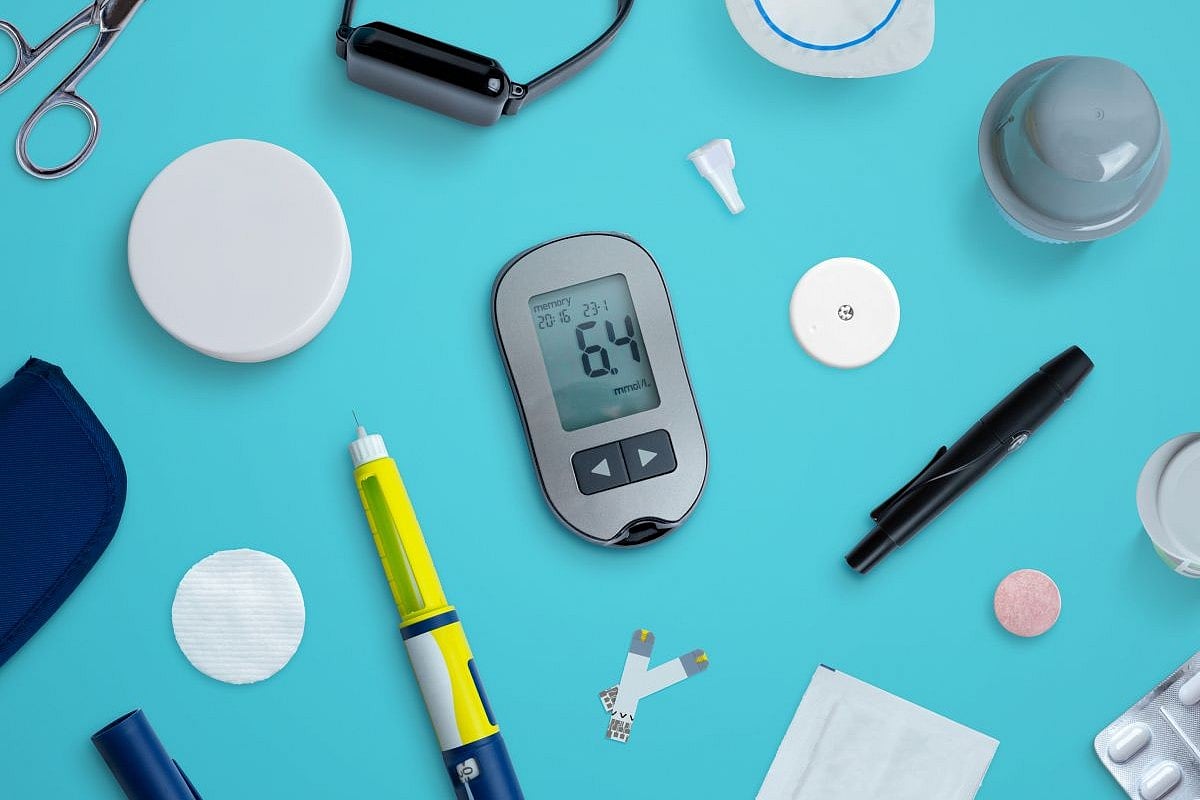
WEDNESDAY, July 17, 2024 (HealthDay News) — As people with diabetes age into Medicare, they face increased quarterly out-of-pocket costs for medication, according to a study published online July 9 in JAMA Network Open.
Douglas Barthold, Ph.D., from the University of Washington in Seattle, and colleagues examined whether reaching age 65 years is associated with changes in type 2 diabetes (T2D) medication out-of-pocket costs and utilization. The analysis included seven years of prescription drug claims data for 129,997 individuals with T2D identified from the TriNetX Diamond Network (before and after turning 65 years).
The researchers found that reaching age 65 years was associated with an increase of $23.04 in mean quarterly out-of-pocket costs for T2D drugs, including an increase of $56.36 at the 95th percentile of spending, after utilization adjustment. At age 65 years, utilization decreased by 5.3 percent (3.40 claims per quarter to 3.22 claims per quarter). A shift in utilization composition showed increased insulin use, which was associated with additional increases in patient costs.
“The increased patient cost burden at age 65 years and a modest reduction in overall T2D drug utilization suggest that as people with T2D age into Medicare, there is potentially an increase in nonadherence and diabetes complications,” the authors write.
 Advertising Influences Large Language Models" Drug Choices
 Common Patterns of b/tsDMARD Use Identified in Rheumatoid Arthritis
 Type 2 Diabetes Linked to Increased Risk for Alzheimer Disease
 CDC: 1 in 10 U.S. Adults Reported GLP-1 Medication Use July to August 2025
 β3 Agonists Do Not Cut Dementia Risk Versus Anticholinergics in OAB
 Treatment Satisfaction Higher for Patients With RA Choosing Their Own Treatment
 Drug Interactions Reducing Contraceptive Effectiveness Common in Epilepsy
.jpg) Most Specialty Oral Anticancer Meds for Blood Cancers Are Initially Rejected by Insurers
.jpeg)




