


Higher binge-drinking prevalence reported by race, ethnicity-defined subgroups
THURSDAY, Aug. 8, 2024 (HealthDay News) — Sexual- and gender-minority (SGM) students report a higher prevalence of binge drinking than their peers, according to a study published online Aug. 6 in Pediatrics.
Meg D. Bishop, Ph.D., from the University of Maryland in College Park, and colleagues used data from 925,744 secondary school students participating in the California Healthy Kids Survey (2017 to 2019) to assess prevalence rates of past 30-day binge drinking by grade level, race and ethnicity, and sexual orientation or gender identity.
The researchers found that SGM-related binge drinking differences were present early in secondary school. Compared with same-grade, White, non-SGM youths, several subgroups of SGM adolescents with minoritized racial and ethnic identities reported higher binge-drinking rates.
“In a statewide sample of secondary school students, SGM students, and particularly those with minoritized gender, racial, and ethnic identities, often reported early and disproportionately higher prevalence of binge drinking than white non-SGM students,” the authors write. “Developmentally and culturally appropriate prevention and intervention strategies are needed to reduce these disparities. Programs and policies developed in collaboration with community members that center intersectional stigma, access to inclusive education and health care, and cultural diversity in family contexts can help to reduce disparities.”
Abstract/Full Text (subscription or payment may be required)
 High Intake of Salty Snacks in Adolescence Linked to Risk for IBD
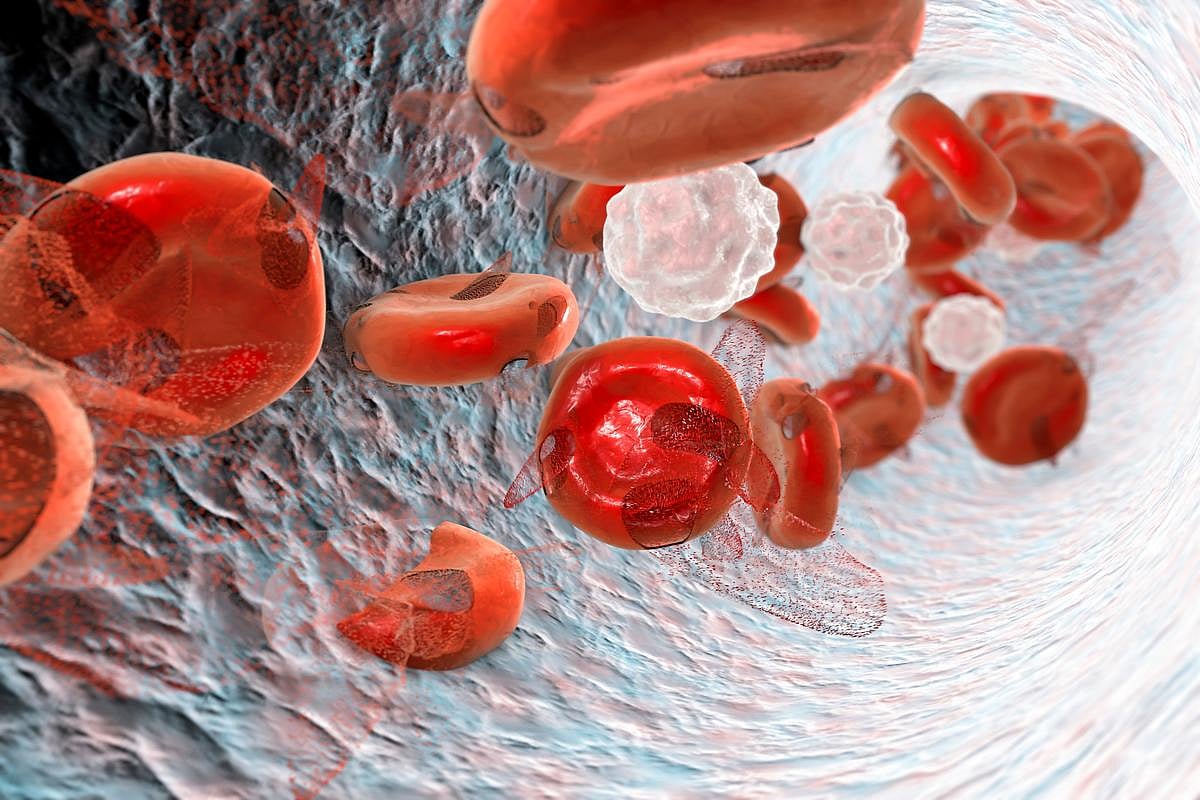 Iron Supplementation Likely to Reduce Iron-Deficiency Anemia in Children
 EHR-Enabled QI Intervention Improves Chlamydia, Gonorrhea Screening in Teens
.jpg) Considerable Gaps Reported in Care for Youth With Opioid Use Disorder
.jpg) Rates of Drug Use-Associated Infective Endocarditis Declined From 2020 to 2022
 Nonpharmacologic Therapy Cuts Opioid Use Disorder Risk With Low Back Pain
.jpg) Most Specialty Oral Anticancer Meds for Blood Cancers Are Initially Rejected by Insurers
 Withdrawal From Medetomidine Increasingly Seen in ICUs





