


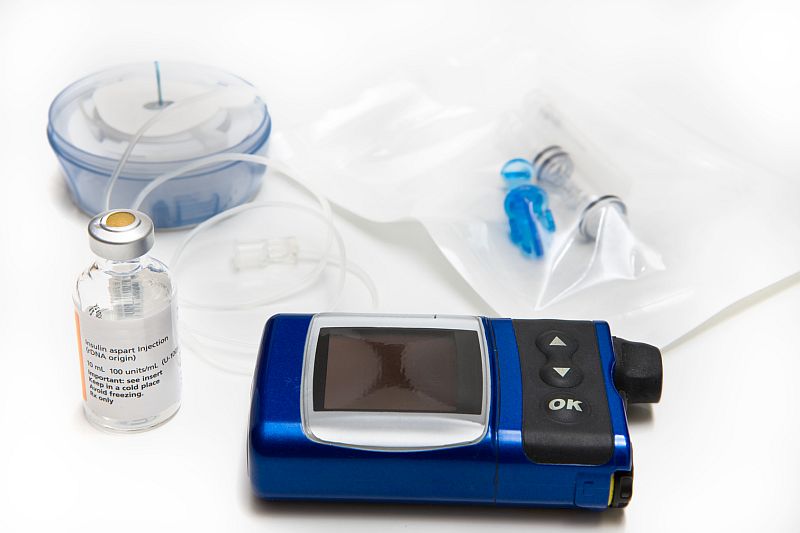
 Adolescents with type 1 diabetes had improved glycemic control, reduced hypoglycemia exposure
FRIDAY, Sept. 15, 2017 (HealthDay News) — For adolescents with type 1 diabetes (T1D), a closed-loop control (CLC) system is associated with improved glycemic control and reduced exposure to hypoglycemia during prolonged exercise, cold temperatures, and high altitude, according to a study published online Aug. 30 in Diabetes Care.
Marc D. Breton, Ph.D., from the University of Virginia in Charlottesville, and colleagues conducted a randomized trial involving 32 adolescents with T1D who participated in a five-day ski camp at two sites. Participants were randomized to the University of Virginia-CLC system or remotely-monitored sensor-augmented pump.
The researchers found that the percentage time in range was improved using CLC versus the physician-monitored open-loop (71.3 versus 64.7 percent; +6.6 percent; 95 percent confidence interval, 1 to 12; P = 0.005), with maximum effect late at night. Overall, there was improvement in exposure to hypoglycemia and carbohydrate treatments (P = 0.001 and 0.007, respectively), with strong ski level effects during the daytime (P = 0.0001 and 0.006, respectively). Ski/snowboard proficiency was balanced between the groups, with a strong site effect. No adverse effects were seen in association with CLC; feedback from participants was overwhelmingly positive.
“CLC in adolescents with T1D, improved glycemic control and reduced exposure to hypoglycemia during prolonged intensive winter sport activities, despite the added challenges of cold and altitude,” the authors write.
Several authors disclosed financial ties to the pharmaceutical industry.
Abstract/Full Text (subscription or payment may be required)
 High Intake of Salty Snacks in Adolescence Linked to Risk for IBD
 Iron Supplementation Likely to Reduce Iron-Deficiency Anemia in Children
 EHR-Enabled QI Intervention Improves Chlamydia, Gonorrhea Screening in Teens
.jpg) Considerable Gaps Reported in Care for Youth With Opioid Use Disorder
.jpg) Rates of Drug Use-Associated Infective Endocarditis Declined From 2020 to 2022
 Nonpharmacologic Therapy Cuts Opioid Use Disorder Risk With Low Back Pain
.jpg) Most Specialty Oral Anticancer Meds for Blood Cancers Are Initially Rejected by Insurers
 Withdrawal From Medetomidine Increasingly Seen in ICUs





