


Model demonstrated strong diagnostic performance, outperforming clinical diagnostic model in validation cohort
TUESDAY, July 15, 2025 (HealthDay News) — A diagnostic model based on delayed post-gadolinium enhancement magnetic resonance imaging (DEMRI) improves the accuracy of Meniere disease (MD) diagnosis, according to a study published online July 8 in Diagnostic and Interventional Radiology.
Xinyi Chen, from The Second Affiliated Hospital in Hangzhou, China, and colleagues examined the diagnostic performance of DEMRI for MD in a retrospective multicenter study conducted in patients presenting with Menieriform symptoms. A total of 162 ears were included: 95 with MD and 67 controls. Each ear was randomly assigned to the training set or validation set (98 and 64, respectively). Diagnostic models for MD were developed using logistic regression in the training cohort. Diagnostic performance of different models was examined using the area under the curve (AUC), and AUC estimates were compared between models using the Delong test.
The researchers found that in both the training and validation cohorts, the proposed DEMRI diagnostic model demonstrated strong diagnostic performance (AUC, 0.907 and 0.887, respectively), outperforming the clinical diagnostic model in the validation cohort (P = 0.01231). Although the difference was not statistically significant, the AUC of the DEMRI model was also higher than that of the combined DEMRI-clinical model (AUC, 0.796; P = 0.054). The sensitivity and specificity of the DEMRI model were 78.9 and 88.5 percent, respectively, in the training set.
“We recommend DEMRI when MD is suspected due to its substantial diagnostic potential,” the authors write. “Further studies are needed to explore the broader applicability of our model and support its clinical implementation.”
 Early Postpartum Brain Loss Prominent but Reversible in MS
 Low Diagnostic Yield Seen for Postmastectomy Imaging in Patients With DCIS
 Greater Estrogen Exposure Linked to Lower Cerebrovascular Pathology
 AI Better Assesses Heart Function From MRI Than Clinicians
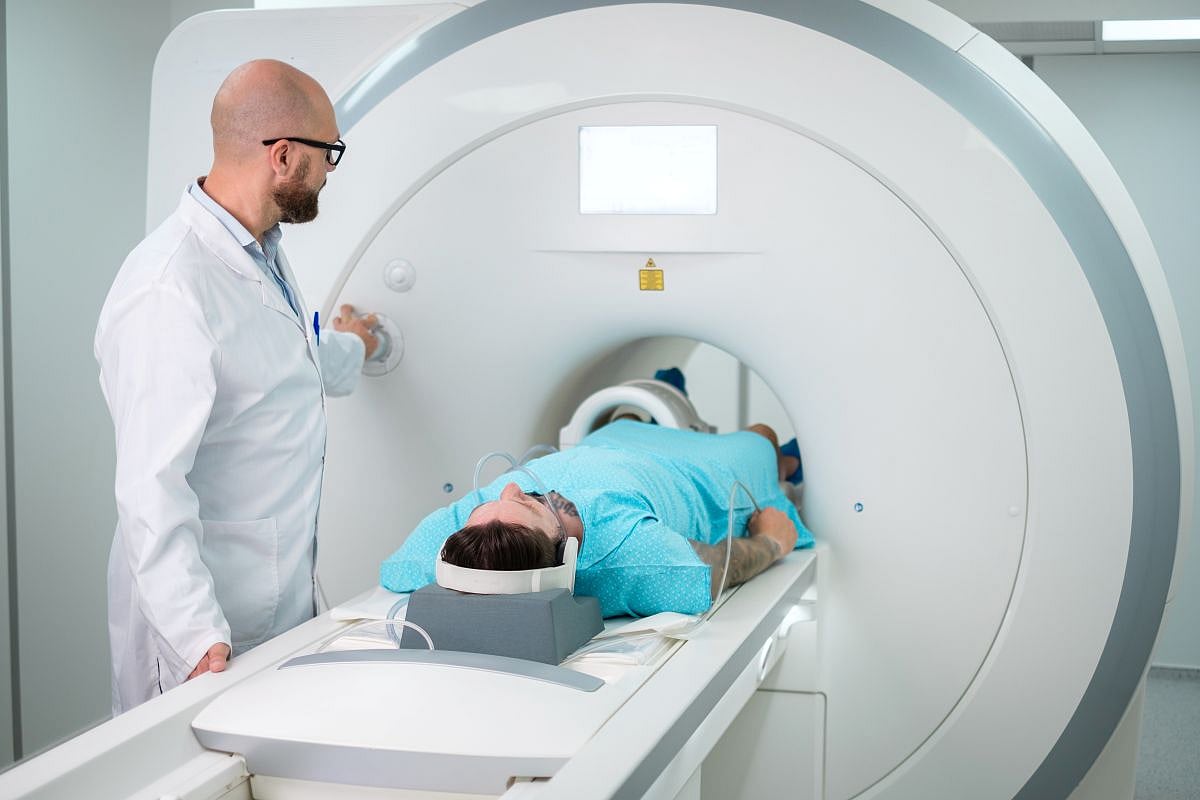 Pre-Prostate Biopsy MRI Use Increased From 2017 to 2026
 PET/MRI Offers Diagnostic, Prognostic Value in Pediatric Epilepsy
 Nighttime Light Exposure Linked to Adverse Cardiac Remodeling
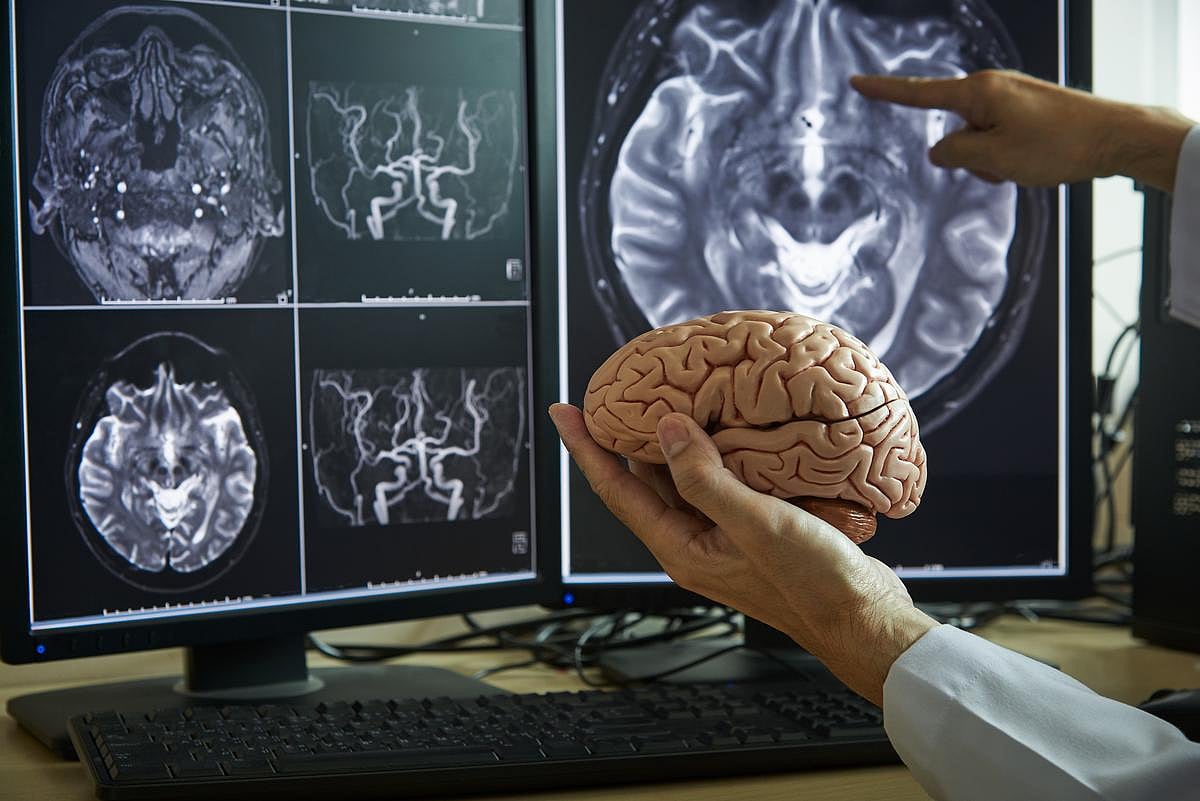 Brain Abnormalities Identified in Children at Risk for Schizophrenia





.jpeg)