


Association persists after adjustment for age, BMI, alcohol intake, and comorbidities
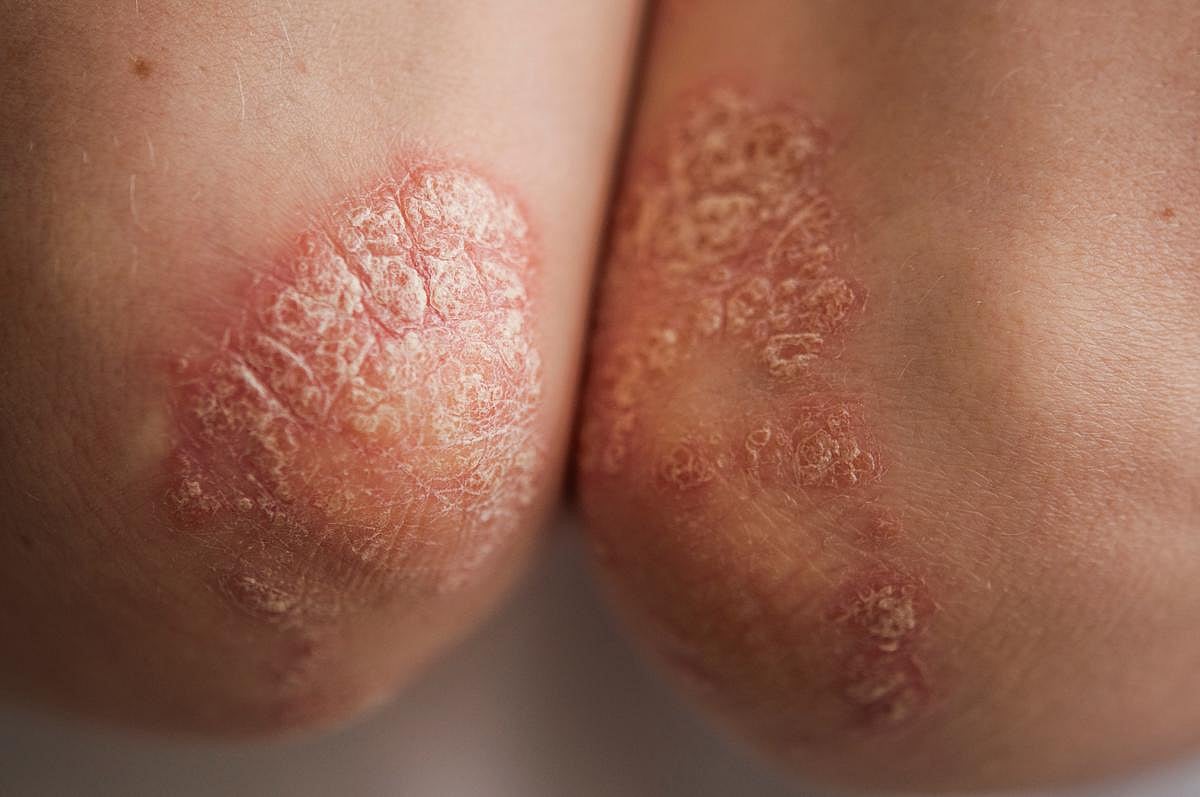
TUESDAY, Dec. 3, 2024 (HealthDay News) — High ultraprocessed food (UPF) intake is associated with active psoriasis, according to a research letter published online Nov. 27 in JAMA Dermatology.
Laetitia Penso, Ph.D., from Paris-Est University, and colleagues performed a cross-sectional study using data from the Nutri-Net-Santé cohort study to examine the association between UPF intake and active psoriasis. Participants were classified by their psoriasis status (never-had; nonactive; active) using a validated self-diagnosis questionnaire. UPF intake in grams/day was extracted and divided into tertiles, from minimum to maximum intake (tertiles 1 and 3, respectively).
Data were included for 18,528 participants, of whom 1,825 (10 percent) had psoriasis, with 803 active cases (4 percent). Compared with the never-had and nonactive groups, the active-psoriasis group had a lower proportion of females and a higher proportion of individuals with a body mass index (BMI) greater than 30 kg/m2. High-intensity physical activity occurred less often in the active and nonactive groups than the never-had group. The researchers found that UPF intake differed between the active and never-had groups in an unadjusted analysis (tertile 3 odds ratio, 1.52). High UPF intake was more likely than lower UPF intake in the active group after adjustments (tertile 3 adjusted odds ratio, 1.36).
“After adjustments for age, BMI, alcohol intake, and comorbidities, the results remained significant, suggesting that UPF intake has a proinflammatory action separate from high BMI,” the authors write.
Abstract/Full Text (subscription or payment may be required)
 Reducing, Quitting Smoking Linked to Lower Risk for Developing Psoriasis
 Mortality, Comorbidity Risk Increased With Generalized Pustular Psoriasis
 Long-Term Risk for Incident Psoriasis Elevated With Irritable Bowel Syndrome
 Burden of Myocardial Dysfunction Elevated for Individuals With Psoriasis
 Sleep Coaching No Aid for Glucose Beyond Diabetes Lifestyle Program
 Very Low-Carb Diet Shows Greater Cardiometabolic Benefits Than Other Diets
 Vascular Burden in Midlife Linked to Increased Risk for Dementia, Death
 Food-Based Support Aids Type 2 Diabetes Outcomes
.jpeg)




