


Similar findings with no significant association seen when accounting for hormone therapy status and duration of use
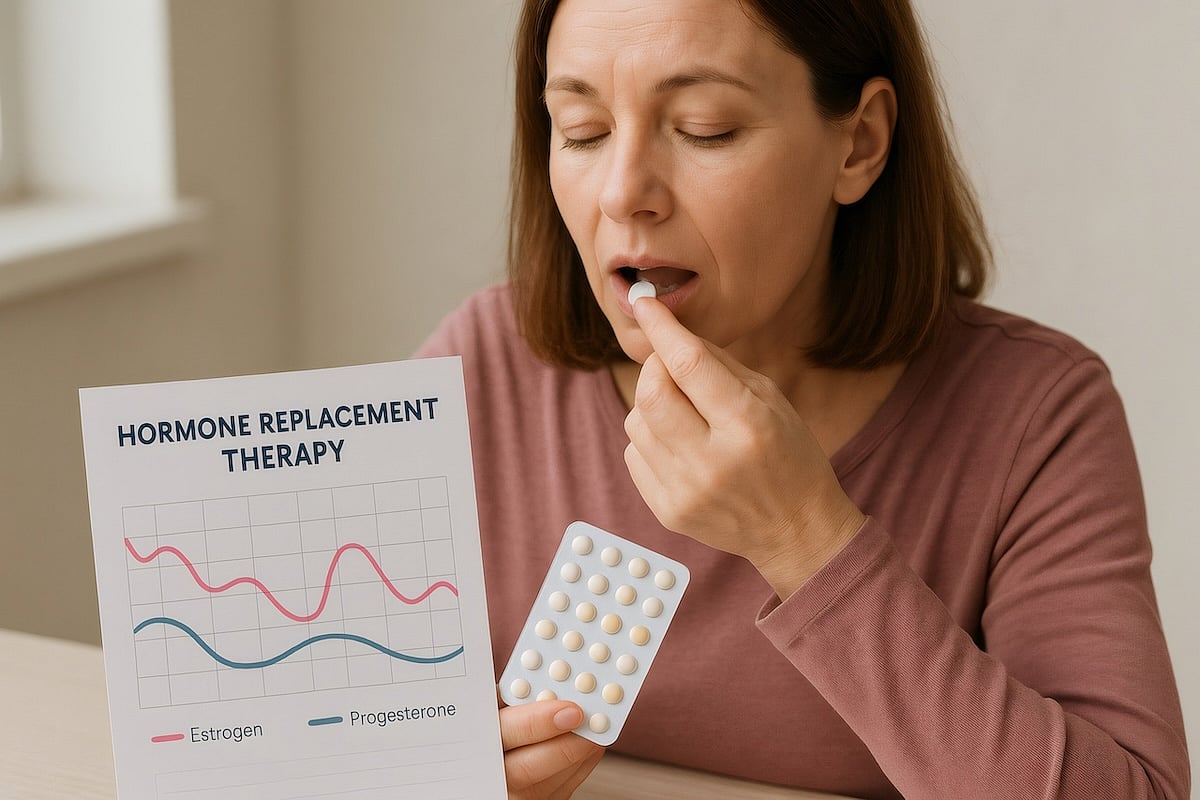
WEDNESDAY, Jan. 15, 2025 (HealthDay News) — There seems to be no association between hormone therapy (HT) and glioma risk among U.S. women, according to a study published online Jan. 14 in Menopause.
Jinyu Pan, from the Chongqing General Hospital and Chongqing University in China, and colleagues analyzed data from 75,335 women aged 50 to 78 years in the Prostate, Lung, Colorectal and Ovarian (PLCO) Cancer Screening Trial who were followed for a median of 11.82 years to examine the association between HT use and glioma risk.
The researchers found that 101 women were diagnosed with glioma during the follow-up period. There was no significant association between HT use and glioma risk after adjusting for relevant variables (hazard ratio, 1.6; 95 percent confidence interval, 0.75 to 1.81). When considering HT status or duration of use, no significant associations were found. In a subgroup analysis, a significant positive association was only seen in the group with at least a college degree (hazard ratio, 3.00; 95 percent confidence interval, 1.02 to 8.84). For education, the interaction effect was not significant.
“This study found that, although there is a known sex difference in the incidence of gliomas, with women being six times more likely to develop the disease compared with men, there does not appear to be an association between glioma and hormone therapy use in postmenopausal women,” Stephanie Faubion, M.D., medical director of The Menopause Society, said in a statement. “However, larger prospective studies with longer duration of follow-up are needed to confirm these results.”
Abstract/Full Text (subscription or payment may be required)
 Greater Estrogen Exposure Linked to Lower Cerebrovascular Pathology
 Women With Autism May Experience More Severe Menopause
 Oral Menopausal Hormone Therapy Linked to Venous Thromboembolic Risk
 MHT Initiation May Reduce Cardiovascular Risk in Women With Vasomotor Symptoms
 Burden of Stroke Projected to Increase to >6 Percent by 2050
 Removing Race From Dialysis Quality Measures Changes Mortality Performance
 Pulse Oximetry-Based Scoring May Miss Sleep Apnea Events in Black Patients
 Few Meet Major Clinical Response Criteria After Treatment Escalation for Lupus
.jpeg)




