


 Globally, suboptimal fruit, vegetable intake causes millions of CHD, stroke deaths per year
TUESDAY, June 11, 2019 (HealthDay News) — Inadequate fruit and vegetable consumption may account for a considerable proportion of cardiovascular disease (CVD) deaths each year, according to research presented during Nutrition 2019, the annual meeting of the American Society for Nutrition, held from June 8 to 11 in Baltimore.
Victoria Miller, Ph.D., from the Friedman School of Nutrition Science and Policy at Tufts University in Boston, and colleagues estimated the burden of CVD deaths attributable to fruit and vegetable consumption using data from 266 surveys representing 1,630,069 individuals from 113 countries. The effects of fruit and vegetable intake on coronary heart disease (CHD) and stroke mortality were derived from meta-analyses of prospective cohorts, and disease-specific mortality data were obtained from the Global Burden of Diseases study.
The researchers found that suboptimal fruit intake was estimated to result in 521,395 CHD deaths and 1,255,978 stroke deaths globally per year (proportional attributable fractions [PAFs], 7.5 and 21.7 percent, respectively). Suboptimal vegetable intake was estimated to result in 809,425 CHD deaths and 210,849 stroke deaths (PAFs, 11.6 and 3.6 percent, respectively). Men and younger adults had a higher proportion of CVD deaths from suboptimal fruit and vegetable intake.
“Global nutrition priorities have traditionally focused on providing sufficient calories, vitamin supplementation, and reducing additives like salt and sugar,” a coauthor said in a statement. “These findings indicate a need to expand the focus to increasing availability and consumption of protective foods like fruits, vegetables, and legumes — a positive message with tremendous potential for improving global health.”
 Recommendations Issued for Use of Incretin-Based Meds in Pregnancy
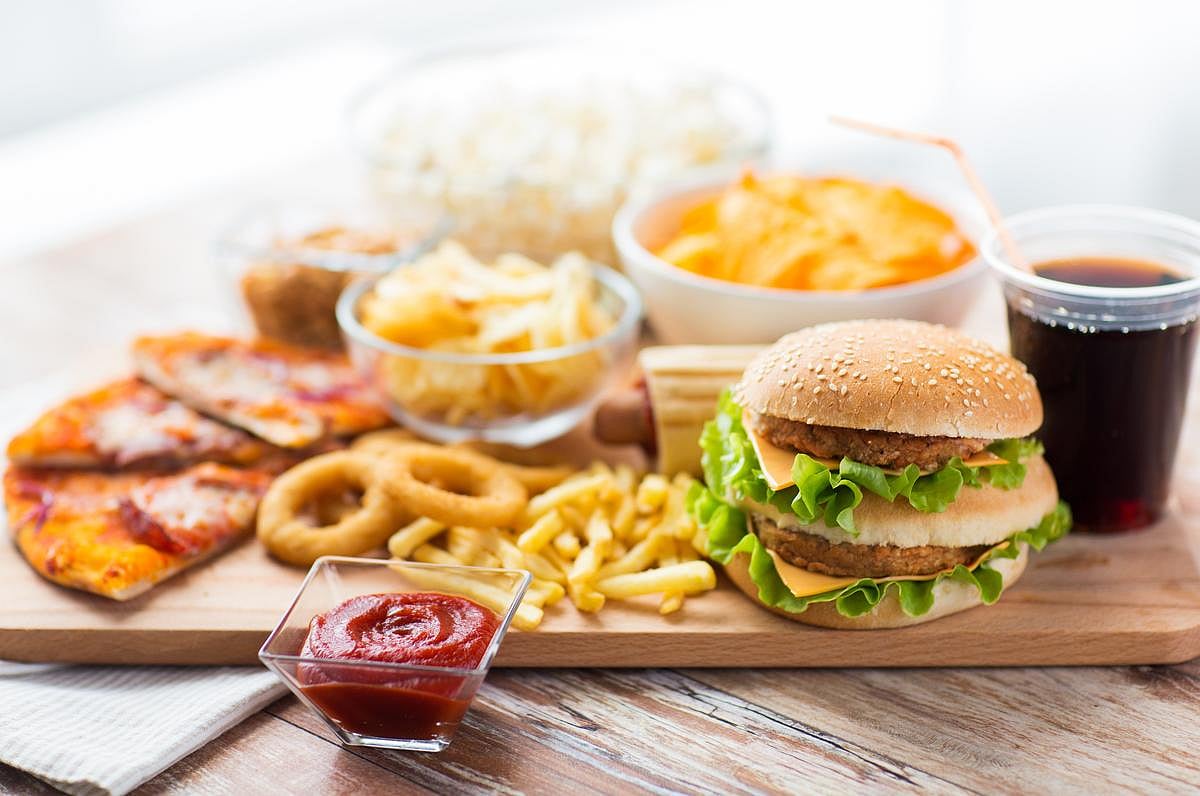 Eating More Ultraprocessed Foods Heightens Risk for Chronic Diseases
 Nutritional Deficiencies Seen in Youth Taking GLP-1 Receptor Agonists
 2009 to 2023 Saw Surge in Probiotic Supplement Use
 1 in 3 With Lupus Take Supplements, Medications With Potential for Interactions
 High-Dose Omega-3 Linked to A-Fib Risk in Patients With High CVD Risk
 Docosahexaenoic Acid Supplement Does Not Improve Cognitive Performance
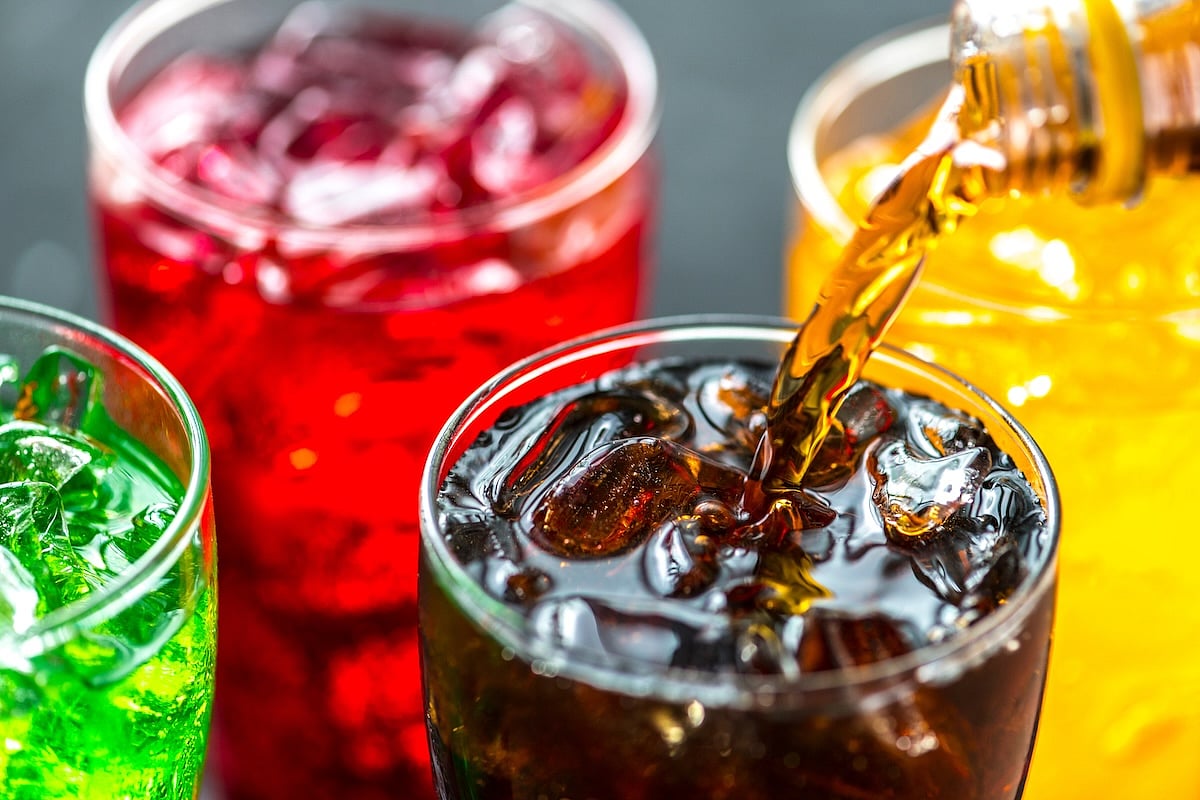 Sugar-Sweetened Beverage, Fruit Juice Intake Linked to Hypertension Risk




.jpg)
