


Hormone therapy has indirect effect on cognitive decline through regional tau accumulation; no links with tau for women younger than 70 years
WEDNESDAY, March 12, 2025 (HealthDay News) — For older women, menopausal hormone therapy (HT) use is associated with faster regional tau accumulation, according to a study published in the March 5 issue of Science Advances.
Gillian T. Coughlan, Ph.D., from Massachusetts General Hospital in Boston, and colleagues examined the extent to which menopausal HT use is associated with later-life amyloid-β (Aβ) and tau accumulation using positron emission tomography in a study involving 146 clinically normal women at baseline, aged 51 to 89 years. About 14 years after initiation of HT, the women were scanned during a 4.5- and 3.5-year period for Aβ and tau, respectively.
The researchers found that HT users exhibited faster regional tau accumulation relative to nonusers among older women (older than 70 years), with accumulation localized to the entorhinal cortex and the inferior temporal and fusiform gyri; HT had an indirect effect on cognitive decline through regional tau accumulation. HT associations with tau were negligible among younger women (younger than 70 years).
“Our data show that HT use predicts tau accumulation as a function of age, with implications for cognitive decline. Secular trends in the prescribing patterns of HT may explain the age-dependent effect of HT on tau progression,” the authors write. “The findings may inform Alzheimer disease risk discussions relating to women”s reproductive health and treatment.”
Several authors disclosed ties to the pharmaceutical industry.
 Plasma P-tau217 Tied to Future Cognitive Impairment Risk
 Early Postpartum Brain Loss Prominent but Reversible in MS
 One-Hour Cognitive Test Provides Meaningful Information Beyond Traditional Memory Screening
 Type 2 Diabetes Linked to Increased Risk for Alzheimer Disease
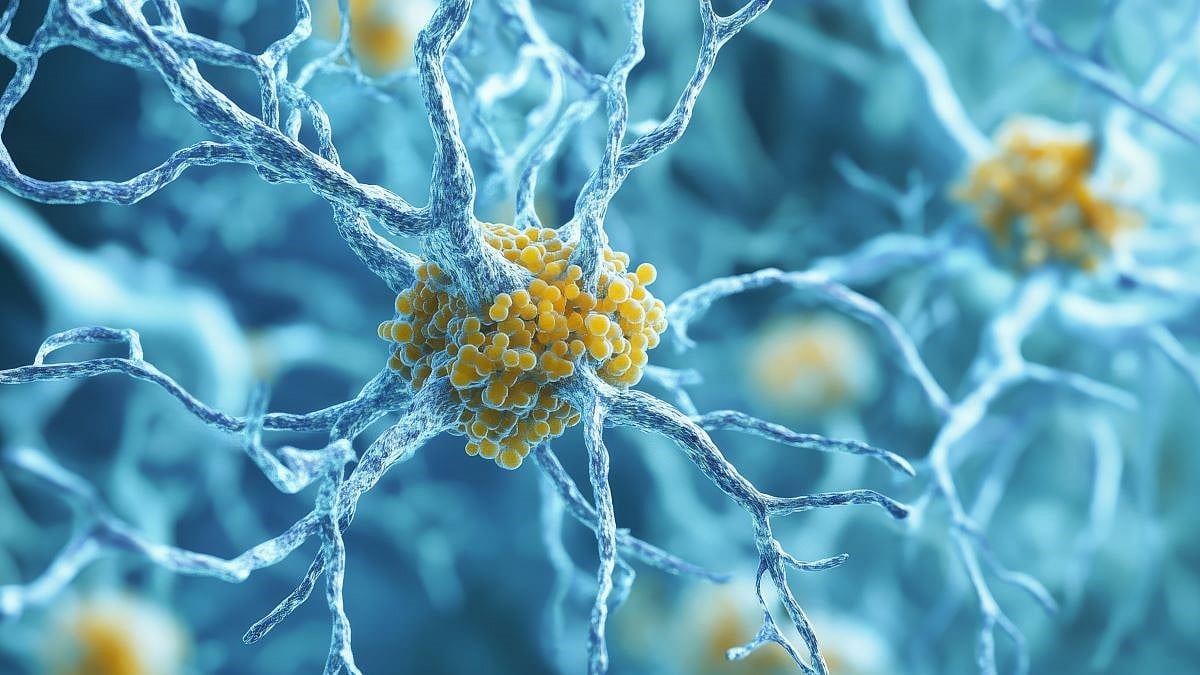 More Extensive Deposits of Tau Seen in Early-Onset Alzheimer Disease
 Weight-Loss Surgery Produces Lasting Diabetes Remission
 GLP-1 Receptor Agonists, SGLT-2is Slow Renal Function Decline in T2D With Albuminuria
 Genetics, Diabetes Tied to MASLD-Associated Cirrhosis Before Age 50
.jpeg)




