


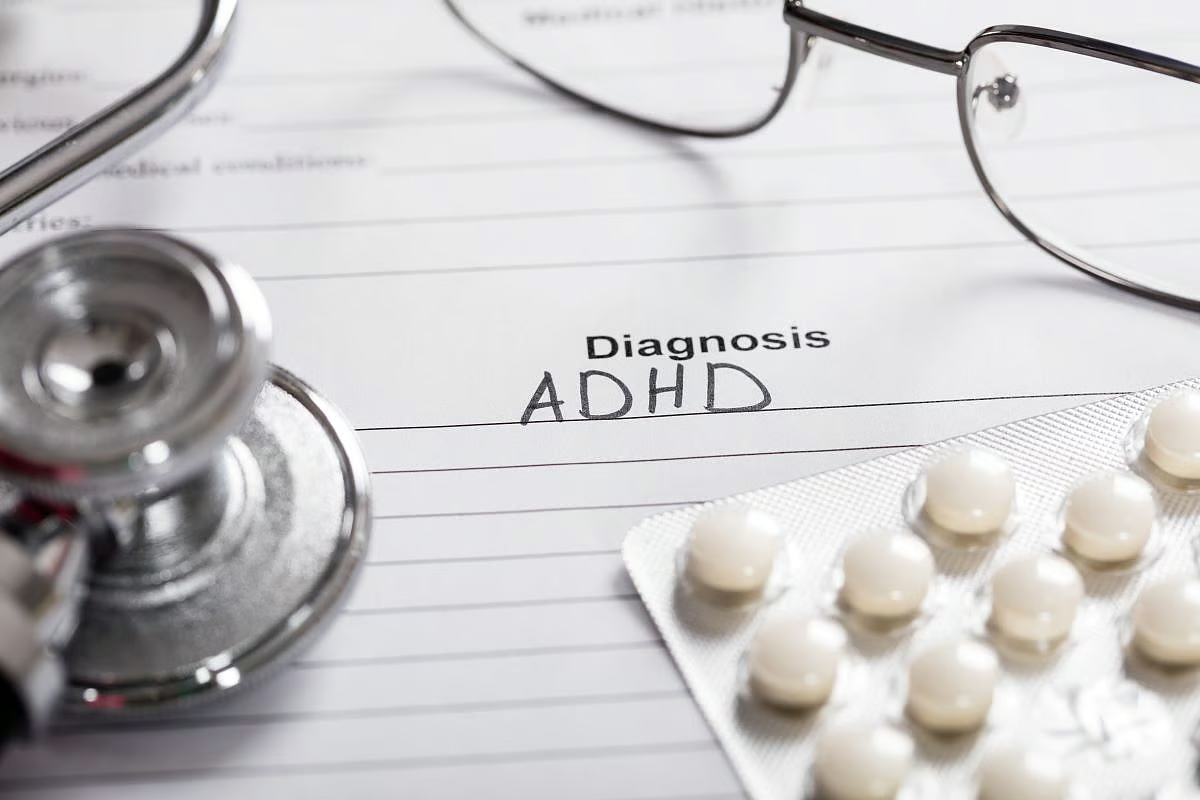
Adults with autism and co-occurring ADHD have higher negative health outcome rates
THURSDAY, Feb. 27, 2025 (HealthDay News) — Adults with autism have high rates of co-occurring attention-deficit/hyperactivity disorder (ADHD) and are more likely to receive ADHD medications, according to a study published online Feb. 12 in JAMA Network Open.
Benjamin E. Yerys, Ph.D., from the Children”s Hospital of Philadelphia, and colleagues examined associations between health outcomes and ADHD co-occurrence and ADHD prescription medications in a population-based cohort study involving adults with autism with and without co-occurring intellectual disability (ID), adults with ID without autism, and adults from a random sample of Medicaid-enrolled individuals from 2008 to 2019. Data were included for 3,506,661 patients.
The researchers found that compared with the general Medicaid-enrolled population (1,846,102 patients), of whom 2.7 percent had co-occurring ADHD diagnoses, the rates of ADHD were elevated in those with autism without ID, autism with ID, and ID without autism (prevalence ratios, 5.1, 6.8, and 4.4, respectively). Overall, 26.6 percent of those with ADHD received a prescription for ADHD medication. Substance use rates were higher among clinical groups with co-occurring ADHD, with 13.2 and 5.7 percent of adults with autism with and without ADHD, respectively, having substance use disorders. Higher rates of all health outcomes were seen in association with ADHD diagnoses, regardless of group. In both ID groups with ADHD diagnoses and ADHD medications, substance use was higher, while injury and cardiovascular condition rates were lower in all ADHD groups receiving ADHD medications.
“Co-occurring ADHD is associated with higher rates of cardiovascular conditions, injury, and substance use among autistic people, although, overall, these effects are mitigated by ADHD medications,” the authors write.
 Women With Autism May Experience More Severe Menopause
 People With Autism Have Shorter Life Expectancy
 Autism Spectrum Disorder Diagnoses Increased for Females Since 2020
 December 2024 to 2025 Saw Significant Increase in Leucovorin Dispensing
 Treatment Satisfaction Higher for Patients With RA Choosing Their Own Treatment
 Drug Interactions Reducing Contraceptive Effectiveness Common in Epilepsy
.jpg) Most Specialty Oral Anticancer Meds for Blood Cancers Are Initially Rejected by Insurers
 Holding DMARDs at Time of COVID-19 Vaccine Not Warranted in Those With Inflammatory Arthritis





