


Pilot study shows the treatment is safe and well tolerated in patients with knee osteoarthritis
TUESDAY, May 27, 2025 (HealthDay News) — Transcutaneous auricular vagus nerve stimulation (tVNS) may be a safe pain-relieving treatment for people with knee osteoarthritis (OA), according to a pilot study published in the March issue of Osteoarthritis and Cartilage Open.
Kosaku Aoyagi, Ph.D., from the University of Texas at El Paso, and colleagues treated 30 participants with knee OA to a 60-minute session of tVNS.
The researchers reported that all participants completed the intervention without any major side effects. Knee pain, which was assessed on a 0-to-10 numeric rating pain scale during a 20-m walk, was reduced by 1.27 immediately after and by 1.87 at 15 minutes after tVNS compared with baseline. There was a trend toward improvement in conditioned pain modulation at both time points. Similarly, there was a trend toward improvement in heart rate variability at both time points. Pressure pain threshold and temporal summation were unchanged after treatment.
“Our preliminary data demonstrated that tVNS may be a safe pain-relieving treatment for people with knee OA,” the authors write. “Our findings suggest that improvement of knee pain might be derived from improvement of parasympathetic function and central pain mechanisms as no local therapy was applied. A large study is needed to confirm that tVNS is a novel intervention to ameliorate knee pain in people with knee OA.”
One author disclosed ties to a bioelectronic medicine company developing wearable neuromodulation therapies.
 Shockwave Therapy May Provide Short-Term Benefit in Adhesive Capsulitis
 Mivocabtagene Autoleucel Shows Promise in Stiff Person Syndrome
 Research Challenges Fusion for Lumbar Degenerative Spondylolisthesis
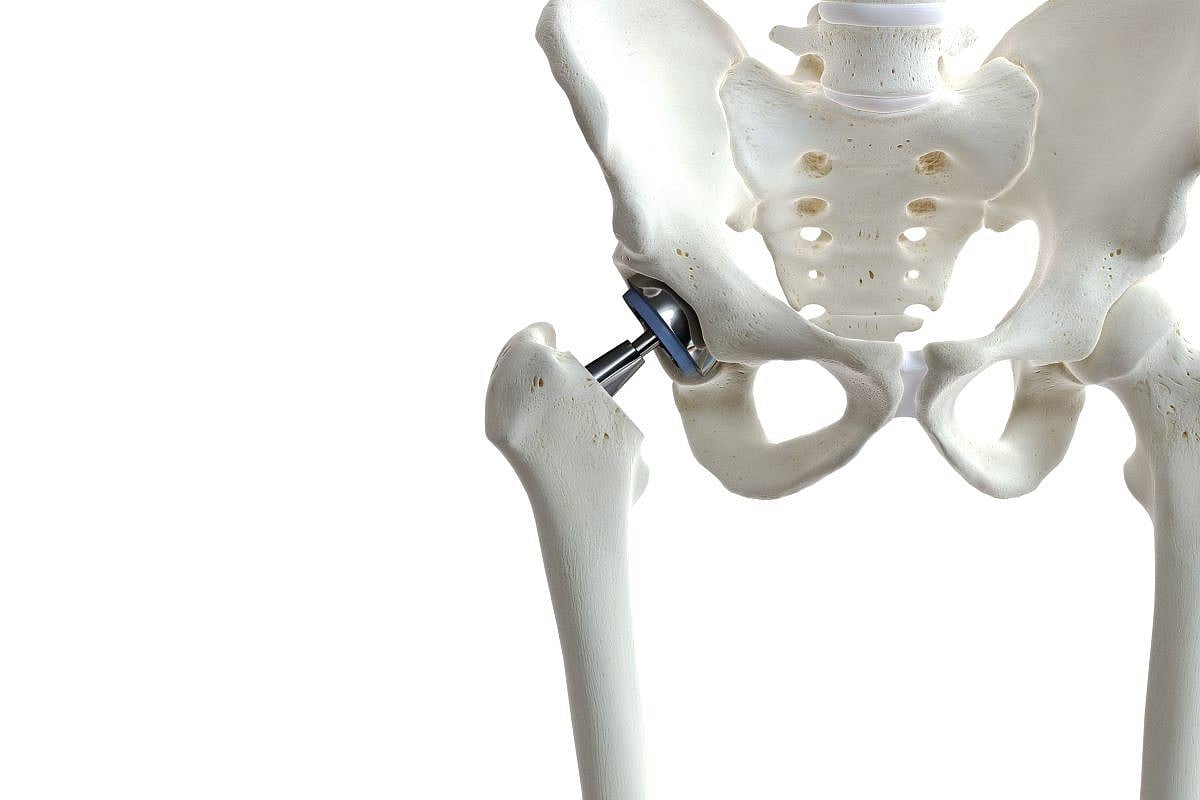 Implant, Patient Survival Do Not Differ for Robotic and Conventional Total Joint Replacement
.jpeg) Travel Distance Linked to Complications After Pediatric Surgery
 Risk for Serious Head, Neck Injuries Higher for E-Scooter Riders Than Cyclists
 Electronic Health Record Algorithm Can Identify Drug-Resistant Epilepsy
 Preoperative Advanced Therapy May Improve Outcomes for Colorectal Surgery in Crohn Disease




