


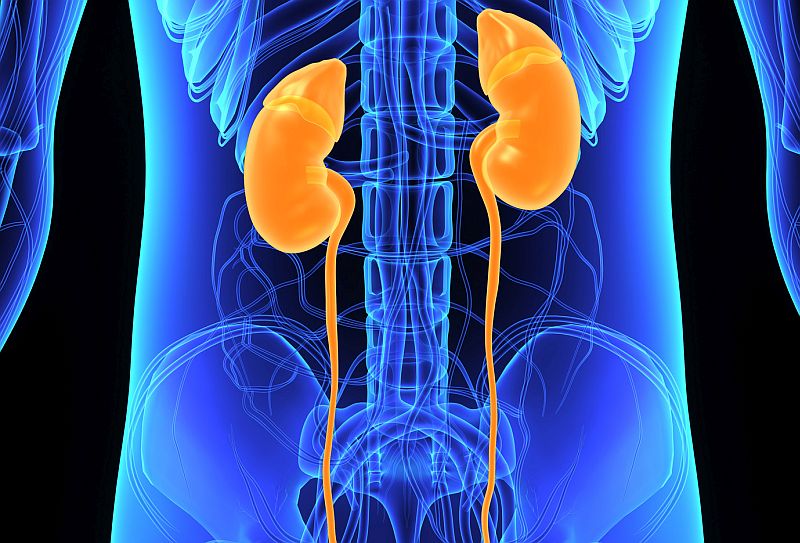
 Findings in American-Indians with type 2 diabetes and urine albumin/creatinine ratio <300 mg/g
FRIDAY, Sept. 16, 2016 (HealthDay News) — For American-Indians with type 2 diabetes, early administration of losartan does not slow progression of glomerular filtration rate (GFR) decline, according to a study published online Sept. 9 in Diabetes Care.
Stephanie K. Tanamas, Ph.D., from the National Institutes of Health in Phoenix, and colleagues examined whether early administration of losartan slows progression of kidney disease in a six-year trial in 169 American-Indians with type 2 diabetes. Participants with urine albumin/creatinine ratio <300 mg/g were randomized to receive losartan or placebo (84 and 85, respectively). The primary outcome was a reduction in GFR to ≤60 mL/min or half the baseline value (for those who entered with GFR <120 mL/min). Participants were followed for up to 12 years post-trial, with treatment managed outside the study.
The researchers found that treatment with renin-angiotensin system inhibitors was equivalent in both groups after completion of the clinical trial. During a median of 13.5 years following randomization, 29 and 35 participants originally assigned to losartan and placebo, respectively, reached the primary GFR outcome, with a hazard ratio of 0.72 (95 percent confidence interval, 0.44 to 1.18).
“We found no evidence of an extended benefit of early losartan treatment on slowing GFR decline in persons with type 2 diabetes,” the authors write.
The study was funded in part by Merck, which provided the study drug and placebo tablets.
 Alcohol From Spirits and Beer Linked to Acute Kidney Injury
 Removing Race From Dialysis Quality Measures Changes Mortality Performance
 Type 2 Diabetes Linked to Increased Risk for Alzheimer Disease
 Prep for Conservative Management, Dialysis Yield Similar Results in Older Patients With Kidney Failure
 Seniors With Hypertension Benefit From Pausing ACE Inhibitors, ARBs on Morning of Surgery
 Study Looks at Approaches to Prescribing Obesity Medications for Older Adults
.jpg) Recurrent Visual Field Progression Happens for 1 in 4 With Glaucoma
 Lower Cognitive Functioning During 60s Linked to Subsequent Stroke Risk
.jpeg)




