


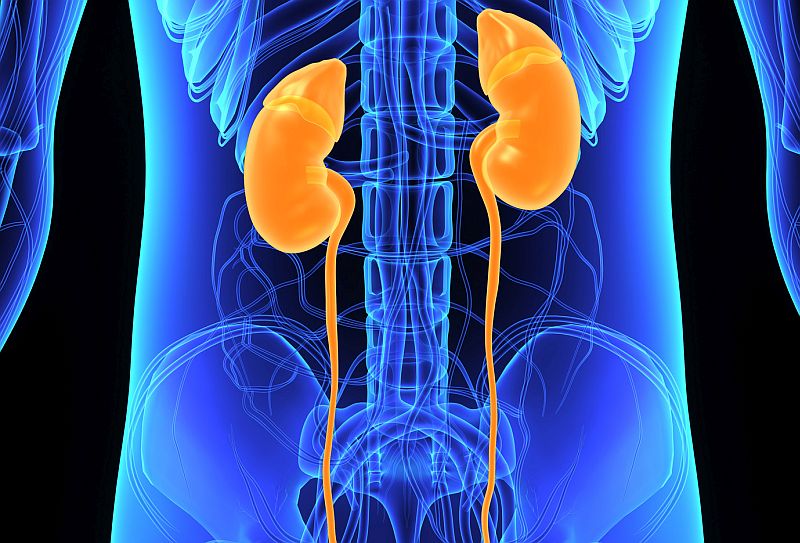
 Injury and repair biomarker levels suggest structural damage to renal tubules
WEDNESDAY, March 29, 2017 (HealthDay News) — Marathon runners can develop acute kidney injury (AKI) and diagnostic indicators of tubular injury, according to a study published online March 28 in the American Journal of Kidney Disease.
Sherry G. Mansour, D.O., from the Yale University School of Medicine in New Haven, Conn., and colleagues prospectively collected urine and blood samples from 22 runners (mean age 44 years) participating in the 2015 Hartford Marathon 24 hours before the marathon (day zero), immediately after the marathon (day one), and 24 hours after the marathon (day two). Assessed serum markers included creatinine and creatine kinase, while urine markers included urine albumin, injury urine biomarkers (immunoglobulin [IL]-6, IL-8, IL-18, kidney injury molecule 1, neutrophil gelatinase-associated lipocalin, and tumor necrosis factor α), and repair urine biomarkers (YKL-40 and monocyte chemoattractant protein 1).
The researchers found 82 percent of runners developed an increase in creatinine level equivalent to AKI stages 1 and 2. Microscopy diagnoses of tubular injury were seen in 73 percent of runners. On day one, serum creatinine, urine albumin, and injury and repair biomarker levels peaked and were significantly elevated compared to days zero and two. From day zero to day two, serum creatine kinase levels continued to significantly increase.
“An increase in injury and repair biomarker levels suggests structural damage to renal tubules occurring after marathon,” the authors write.
 Alcohol From Spirits and Beer Linked to Acute Kidney Injury
 Removing Race From Dialysis Quality Measures Changes Mortality Performance
 Prep for Conservative Management, Dialysis Yield Similar Results in Older Patients With Kidney Failure
.jpg) Pregnancy Complications Linked to Subsequent Risk for Cardiometabolic-Renal Conditions
 Irregular Sleep Schedule Linked to Greater Symptoms of Mental Illness
 Physical Activity Before Cognitive Therapy Beneficial in Major Depressive Disorder
 Temporal Interference Stimulation Targeting Prefrontal Cortex May Alleviate Depression Symptoms
 Seniors With Hypertension Benefit From Pausing ACE Inhibitors, ARBs on Morning of Surgery
.jpeg)


