


 MRIs show rheumatoid arthritis patients have neurobiologic features observed in fibromyalgia
MONDAY, Sept. 17, 2018 (HealthDay News) — Centralized pain pathways may coexist with more established peripheral inflammation-driven pathways in some patients with rheumatoid arthritis (RA), according to a study published in the July issue of Arthritis & Rheumatology.
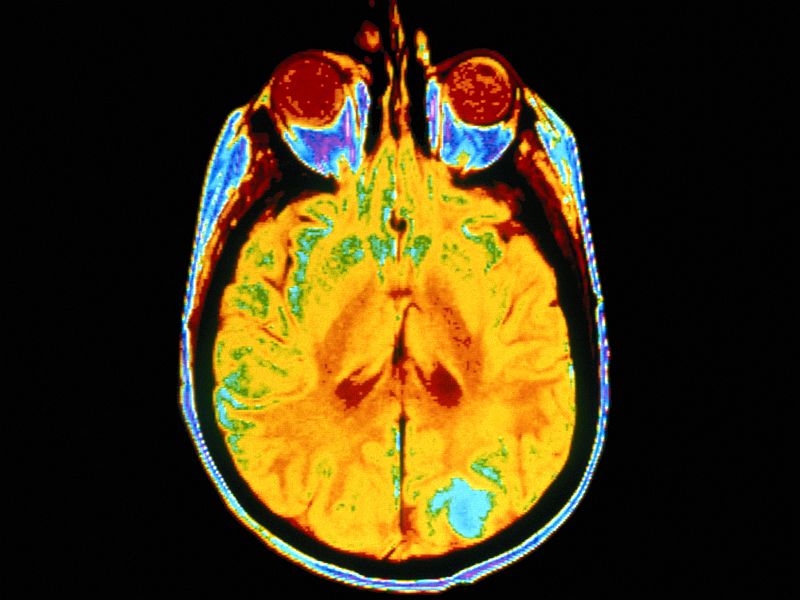
Neil Basu, M.D., Ph.D., from the University of Aberdeen in the United Kingdom, and colleagues performed an 11-minute functional connectivity magnetic resonance imaging (MRI) brain scan and a clinical evaluation, which included a measure of “fibromyalgianess” (FMness), on 54 patients (75.9 percent women) with RA. From MRI data, brain networks were isolated from functional connectivity. Then, individual patient network-to-whole-brain connectivity analyses were conducted, followed by group-level regression. This correlated the connectivity of each network with FMness, a continuous measure of the degree of fibromyalgia.
The participants had a mean FMness score of 13.2 (range, 1 to 29) and, using whole-brain analyses, the researchers found a single significant positive correlation between default mode network connectivity to the left mid/posterior insula and FMness. The investigators note that RA patients with increased levels of FMness seem to share neurobiologic features consistently observed in fibromyalgia patients.
“This study is the first to provide neuroimaging evidence that RA is a mixed pain state, with many patients’ symptoms being related to the central nervous system rather than to classic inflammatory mechanisms,” the authors write.
Several authors disclosed financial ties to pharmaceutical companies, including Pfizer, which funded the study.
 Common Patterns of b/tsDMARD Use Identified in Rheumatoid Arthritis
 Lung Ultrasound Predicts Progression of Interstitial Lung Abnormalities in RA
 Treatment Satisfaction Higher for Patients With RA Choosing Their Own Treatment
 Holding DMARDs at Time of COVID-19 Vaccine Not Warranted in Those With Inflammatory Arthritis
 Advertising Influences Large Language Models" Drug Choices
 β3 Agonists Do Not Cut Dementia Risk Versus Anticholinergics in OAB
 CDC: 1 in 10 U.S. Adults Reported GLP-1 Medication Use July to August 2025
 Serum Carotenoid Levels Have Positive Impact on COPD Health Status





