


 Attempt failed, but tool appears precise and safe and holds promise
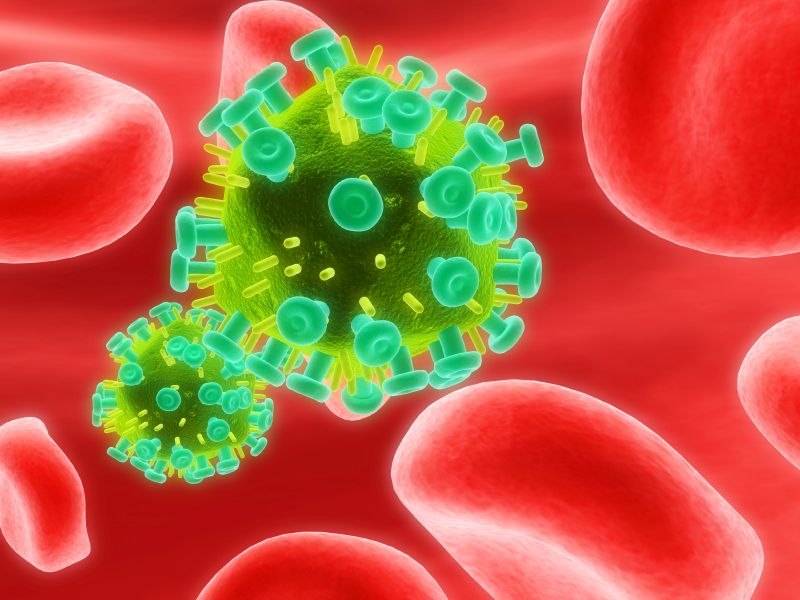
THURSDAY, Sept. 12, 2019 (HealthDay News) — The first attempt to use the gene-editing tool CRISPR to cure HIV infection was unsuccessful but the approach does show promise.
Chinese researchers used the tool to give a patient blood cells that were altered to resist the AIDS-causing virus, the Associated Press reported.
The study was published online Sept. 11 in the New England Journal of Medicine. It is the first published report of trying to use CRISPR to treat a disease in an adult, according to the AP.
Even though CRISPR did not cure the patient’s HIV infection, the gene-editing tool appears precise and safe in the patient and seems to hold promise, said Carl June, M.D., from the Perelman School of Medicine at the University of Pennsylvania in Philadelphia, who wrote an accompanying commentary in the journal. “That’s really good for the field,” June told the AP.
AP News Article
Abstract/Full Text (subscription or payment may be required)
Editorial (subscription or payment may be required)
 Reference Intervals Developed for Children, Adults With Duffy Null Status
 Broad Genomic Sequencing Improves Survival in First-Line Setting in Advanced NSCLC
 Genetic Screening Can ID Hemoglobinopathy Prevalence
 Heated Tobacco Products Are Not Biologically Inert
 Family History of CRC Increases CRC Risk Similarly in IBD, General Population
 Genetics, Diabetes Tied to MASLD-Associated Cirrhosis Before Age 50
 Distinct Skin Microbiome Features Emerge Before Atopic Disease Onset in Infants

.jpeg)



