Sixteen percent increased hazard of dementia seen with each 1-µg/m3 increase in the moving average of 10-year PM2.5
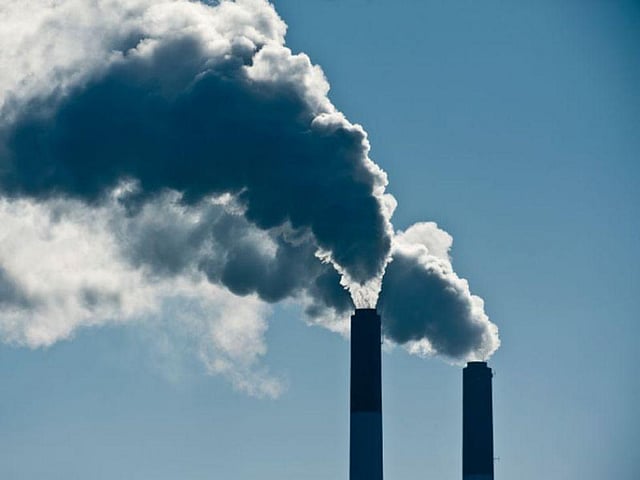
MONDAY, Aug. 9, 2021 (HealthDay News) — An increase in 10-year average fine particulate matter (PM2.5) exposure is associated with an increased risk for all-cause dementia, according to a study published online Aug. 4 in Environmental Health Perspectives.
Rachel M. Shaffer, Ph.D., M.P.H., from the University of Washington Seattle School of Public Health, and colleagues examined the association between time-varying 10-year average PM2.5 exposure and the risk for all-cause dementia using the Adult Changes in Thought population-based prospective cohort study. Spatiotemporal model-based PM2.5 exposures were linked to participant addresses from 1978 to 2018. At biennial follow-ups, dementia diagnoses were made using standardized consensus-based protocols.
The researchers identified 1,136 cases of incident dementia among 4,166 individuals. The mean 10-year average PM2.5 was 10.1 µg/m3. The risk for all-cause dementia was increased 16 percent with each 1-µg/m3 increase in the moving average of 10-year PM2.5.
“These results add to a growing body of both epidemiological and toxicological evidence on the neurodegenerative effects of air pollution and suggest that reducing exposures across the population could contribute to reducing the burden of dementia,” the authors write.
Two authors served as consultants to the Health Effects Institute; one author received royalties from UpToDate.
 Insomnia Linked to Increased Risk for Stroke, Odds of Admission
  Increased Dementia Risk Seen After Transient Ischemic Attack
  Nearly 3 in 4 Older Adults Express Interest in Vaccine to Prevent Dementia
  Air Pollution Tied to Higher Risk for Suicide
  2013 to 2024 Saw Decrease in Benzodiazepine Prescribing
  Childhood Cancer Survivors Often Have Mental Distress in Adulthood
  Age-Adjusted Suicide Rate Increased From 2014 to 2017 and Then Plateaued
  Psychiatrists Only Agree 55 Percent of the Time on Diagnoses