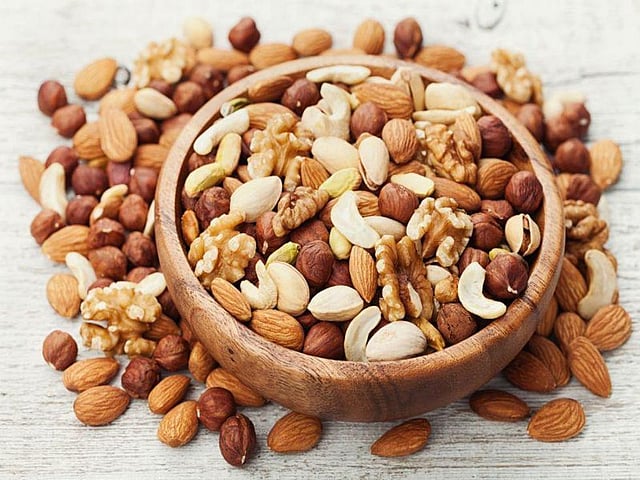
Significant decreases in total cholesterol, LDL-C, intermediate density lipoprotein cholesterol, with no increase in weight
MONDAY, Aug. 30, 2021 (HealthDay News) — Incorporating daily doses of walnuts to the habitual diet results in a modest decrease in low-density lipoprotein cholesterol (LDL-C) in seniors, according to a research letter published online Aug. 30 in Circulation.
Sujatha Rajaram, Ph.D., from Loma Linda University in California, and colleagues examined whether incorporating walnuts into the usual diet would improve the lipid profile, regardless of differences in geographical and dietary background. A total of 708 cognitively healthy seniors (aged 63 to 79 years) without major comorbidities were enrolled and allocated to a walnut-free (control) or walnut-supplemented diet (30 to 60 g, about 15 percent of energy); 636 participants completed the study and 628 had full data for lipoprotein analysis.
The researchers found that diet compliance was good and body weight was stable (mean two-year changes of 0.06 and −0.51 kg in the walnut and control groups, respectively). There were no significant differences noted between the groups in the changes in fasting glucose. There were significant decreases observed in total cholesterol (mean, −8.5), LDL-C (mean, −4.3), and intermediate-density lipoprotein cholesterol (−1.3) in the walnut diet group, corresponding with reductions of 4.4, 3.6, and 16.8 percent, respectively; no effect was seen on triglycerides and high-density lipoprotein cholesterol. Decreases of 4.3 and 6.1 percent were seen in total LDL particles and small LDL particle number, respectively. The reduction in LDL-C was 7.9 and 2.6 percent in men and women, respectively.
“Eating a handful of walnuts every day is a simple way to promote cardiovascular health,” a coauthor said in a statement.
Several authors disclosed financial ties to the California Walnut Commission, which partially funded the study.
Abstract/Full Text (subscription or payment may be required)
 Lower Cognitive Functioning During 60s Linked to Subsequent Stroke Risk
  Nearly 1 in 10 Older Adults Used Cannabis in the Past Year
  Polypharmacy of Prescription Medications Increased for U.S. Older Adults
  Eating More Ultraprocessed Foods Heightens Risk for Chronic Diseases
  Nutritional Deficiencies Seen in Youth Taking GLP-1 Receptor Agonists
  2009 to 2023 Saw Surge in Probiotic Supplement Use
  Sugar-Sweetened Beverage, Fruit Juice Intake Linked to Hypertension Risk
  Whole Goat Milk Formula Can Reduce Incidence of Atopic Dermatitis in Infants
.jpg)