24-hour ambulatory BP monitoring least acceptable method; adherence to minimum number of readings up for home monitoring
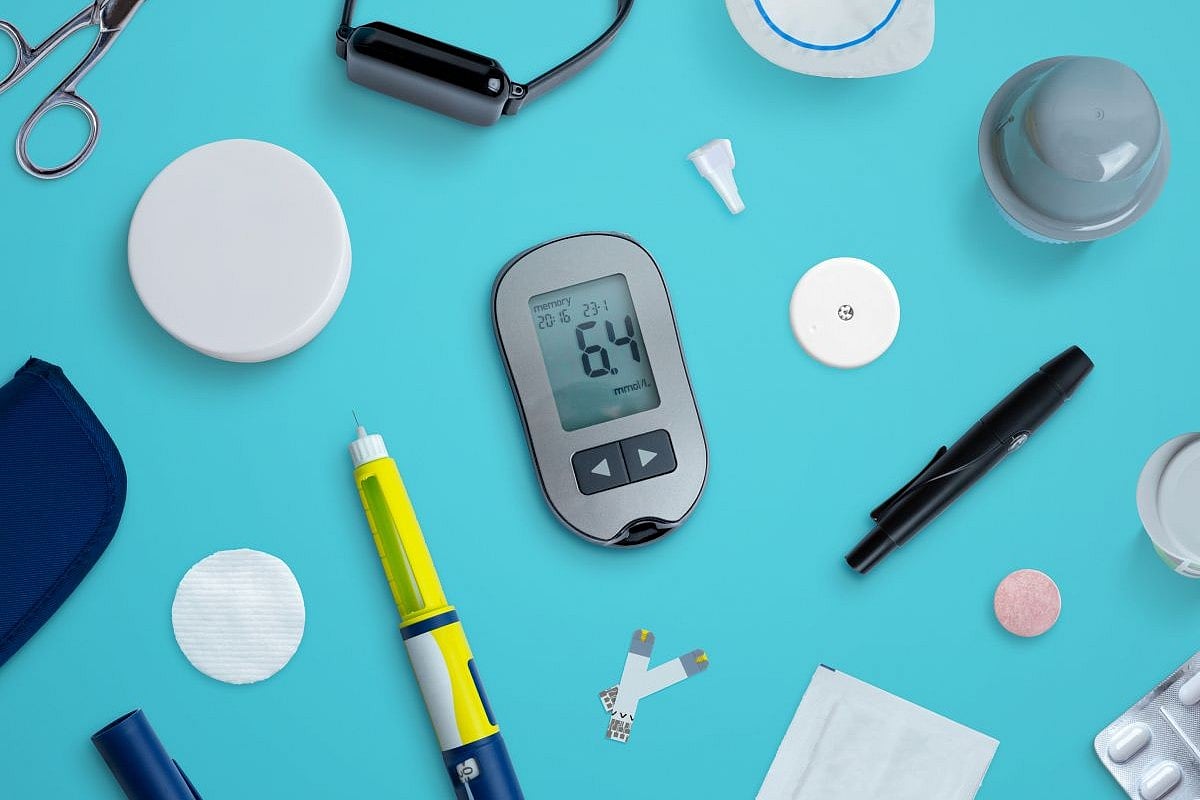
MONDAY, Sept. 27, 2021 (HealthDay News) — For adults with elevated blood pressure (BP), monitoring BP at home is more acceptable than at a clinic or kiosk or using a 24-hour ambulatory blood pressure monitor (ABPM), according to a study presented at the American Heart Association Hypertension 2021 Scientific Sessions, held virtually from Sept. 27 to 29.
Matthew Thompson, M.D., from the University of Washington in Seattle, and colleagues randomly assigned 510 adults with elevated BP but who did not have a hypertension diagnosis to one of three arms: office, home, and kiosk BP monitoring. All participants also underwent 24-hour ABPM. The acceptability of each method was measured using a validated questionnaire.
The researchers found that the overall acceptability score was highest and lowest for home and ABPM (mean, 6.2 and 5.0, respectively), and the score was intermediate for clinic and kiosk (5.5 and 5.4, respectively). Compared with ABPM, acceptability was significantly higher for all three intervention arms. Adherence to the prespecified minimum number of BP readings was higher for home and clinic than for kiosk (90.6 and 87.2 percent, respectively, versus 67.9 percent).
“Health care professionals should work toward relying less on in-clinic visits to diagnose hypertension and supporting their patients in taking their blood pressure measurements at home,” a coauthor said in a statement. “Home blood pressure monitoring is empowering and improves our ability to identify and treat hypertension, and to prevent strokes, heart attacks, heart failure, and cardiovascular death.”
 Broad Genomic Sequencing Improves Survival in First-Line Setting in Advanced NSCLC
 Seniors With Hypertension Benefit From Pausing ACE Inhibitors, ARBs on Morning of Surgery
 Screening, Treating STIs During Pregnancy May Cut Preterm Birth Risk
 Guidelines Updated for Prostate Cancer Screening
 Guidelines Updated for Short-Course Radiation for Localized Prostate Cancer
 EHR-Enabled QI Intervention Improves Chlamydia, Gonorrhea Screening in Teens
 Genetic Screening Can ID Hemoglobinopathy Prevalence
 Urine Cell-Free RNA Shows Promise as Biomarker for Bladder Cancer