


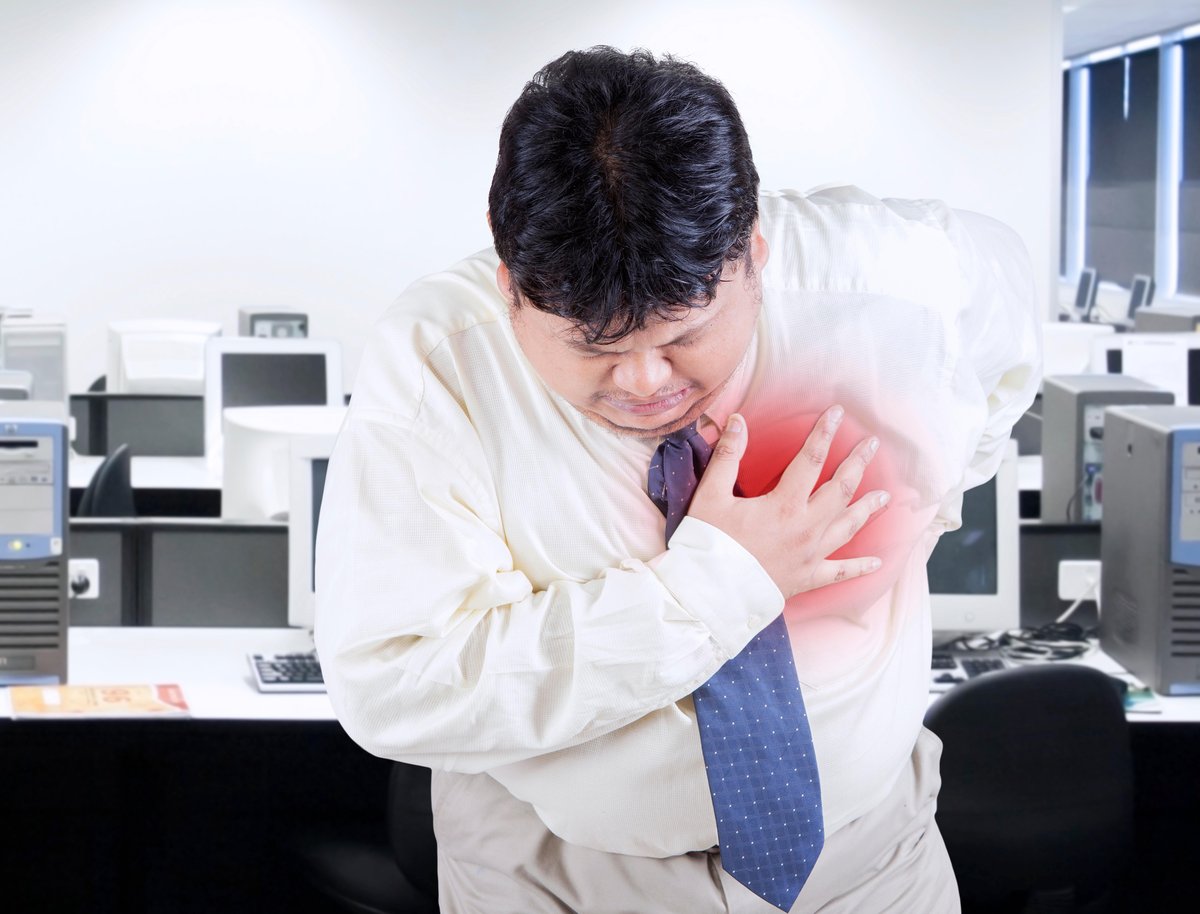
Overall disposition from the emergency department was 1.39 times longer for Hispanic versus non-Hispanic patients
MONDAY, May 16, 2022 (HealthDay News) — Hispanic patients presenting to the emergency department with chest pain wait longer to be treated, admitted, or discharged, according to a study presented at the American Heart Association Quality of Care and Outcomes Research 2022 Scientific Sessions, held from May 13 to 14 in Reston, Virginia.
Katiria Pintor Jimenez, M.D., from Morehouse School of Medicine in Atlanta, and colleagues obtained data from the electronic medical record warehouse of a large, safety-net, academic hospital from January to December 2020 to examine the characteristics and disposition of Hispanic patients presenting to the emergency department with chest pain.
The researchers found that Hispanic patients who presented with chest pain represented 4.78 percent of the 11,095 patients. Compared with non-Hispanic patients, Hispanic patients were younger (43.4 versus 48.5 years) and had lower blood pressure (128.8/77.8 versus 134.5/81.5 mm Hg); they also had an increased likelihood of being uninsured (2.93-fold). Hispanic women were 1.58-fold more likely than Hispanic men to present with chest pain. The overall disposition from the emergency department (admit to inpatient, observation, discharge) was 1.39 times longer for Hispanics (99.0 versus 71.0 minutes), although they were admitted more often (17.74 versus 16.79 percent). Disposition took 1.98 times longer for admitted Hispanic patients (86.0 versus 43.5 minutes).
“Our findings [suggest] that Hispanic people with chest pain may experience unwarranted delays in the emergency department and in receiving overall medical care in the hospital,” Pintor Jimenez said in a statement.
 Risk for Serious Head, Neck Injuries Higher for E-Scooter Riders Than Cyclists
 Removing Race From Dialysis Quality Measures Changes Mortality Performance
 Burden of Stroke Projected to Increase to >6 Percent by 2050
 Paintball-Related Eye Injuries Declined 84.5 Percent From 2005 to 2025
 ED Visits, Hospitalizations for Alcohol, Cannabis Vary by Age
 Rates of Pediatric E-Bicycle, E-Scooter Injuries Increasing
 Withdrawal From Medetomidine Increasingly Seen in ICUs
 Multicomponent Interventions Offer Little Impact on Fall Risk
.jpeg)




