


Incidence rates of composite of death, MI, stroke were lower, but not significantly so, for patients treated with semaglutide
FRIDAY, June 20, 2025 (HealthDay News) — For patients aged 45 years or older with type 2 diabetes, semaglutide seems to confer some advantage over empagliflozin in terms of mortality and cardiovascular event risks, according to a study published online June 17 in the Annals of Internal Medicine.
Anum Saeed, M.D., from the University of Pittsburgh, and colleagues compared mortality and cardiovascular event risks in patients treated with semaglutide versus empagliflozin and dulaglutide versus empagliflozin in target trial emulation studies. Patients aged 45 years or older with type 2 diabetes treated from Jan. 1, 2019, to Dec. 31, 2024, with semaglutide, dulaglutide, or empagliflozin were included in the study.
The researchers found that the rates of the composite of death, myocardial infarction (MI), or stroke were 3.7 and 4.5 percent at two years for patients treated with semaglutide and empagliflozin (7,899 and 7,899 patients), respectively, and 5.9 versus 6.9 percent at three years. For the composite outcome, the corresponding incidence rates were 20.99 versus 23.56 per 1,000 person-years, with a hazard ratio of 0.98 (95 percent confidence interval, 0.78 to 1.02). For the individual outcomes of death, MI, and stroke, the hazard ratios (95 percent confidence intervals) were 0.97 (0.81 to 1.15), 0.85 (0.68 to 1.05), and 0.62 (0.43 to 0.89), respectively. For the composite outcome and for death, MI, and stroke separately, the risks for dulaglutide- and empagliflozin-treated patients were similar.
“The apparent modest treatment benefit of semaglutide over empagliflozin coincided with modest greater reductions in weight and HbA1c within the first year of use,” the authors write.
Abstract/Full Text (subscription or payment may be required)
.jpg) Pregnancy Complications Linked to Subsequent Risk for Cardiometabolic-Renal Conditions
 GLP-1 Receptor Agonists, SGLT-2is Slow Renal Function Decline in T2D With Albuminuria
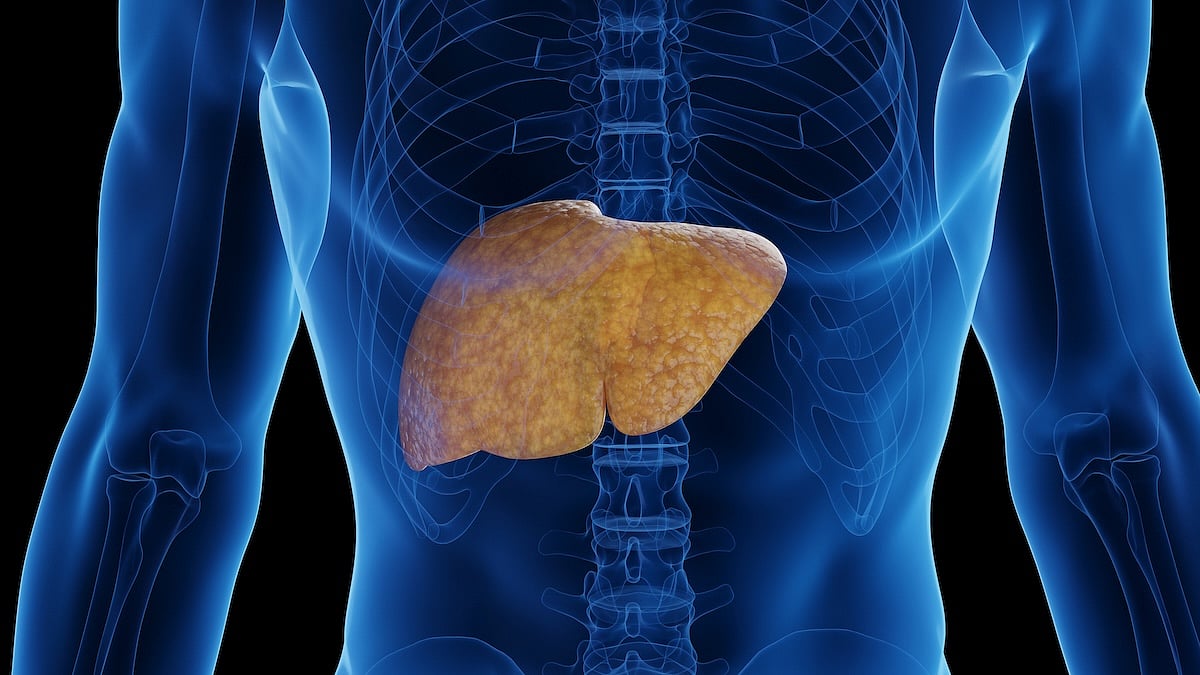 Genetics, Diabetes Tied to MASLD-Associated Cirrhosis Before Age 50
 Study IDs Risk Factors for Ketoacidosis in Adults With T2D Receiving SGLT2 Inhibitors
 Drug Interactions Reducing Contraceptive Effectiveness Common in Epilepsy
.jpg) Most Specialty Oral Anticancer Meds for Blood Cancers Are Initially Rejected by Insurers
 1 in 3 With Lupus Take Supplements, Medications With Potential for Interactions
 Holding DMARDs at Time of COVID-19 Vaccine Not Warranted in Those With Inflammatory Arthritis



