


Magnetic resonance imaging provides objective evidence of endolymphatic hydrops and improves diagnostic accuracy
FRIDAY, Nov. 7, 2025 (HealthDay News) — Gadolinium-enhanced delayed inner ear magnetic resonance imaging (MRI) improves diagnostic accuracy for Meniere disease (MD) and delayed endolymphatic hydrops (DEH), according to a study published online Oct. 7 in Science Progress.
Chengcheng Liu, Ph.D., from Tangdu Hospital in Xi”an, China, and colleagues examined the diagnostic performance of gadolinium-enhanced MRI for visualizing EH in patients with MD and DEH in a retrospective study. The study included 164 patients with unilateral MD, stratified into definite MD (DMD; 129 patients) and probable MD (PMD; 35 patients), and 27 patients with DEH.
The researchers detected EH in 85.2 percent of those with clinically diagnosed DEH. Detection rates were 96.1 and 28.6 percent in DMD and PMD cases, respectively. No significant difference was seen in cochlear or vestibular EH between the DMD and DEH groups. A significantly higher incidence and severity of EH was seen in the DMD group than the PMD group. The degree of EH was positively correlated with pure-tone audiometry, clinical stage, and disease course in patients with DMD and negatively correlated with speech recognition scores. There was also a positive correlation for the degree of vestibular EH with caloric test abnormalities.
“While our findings underscore the potential of delayed MRI as an adjunct to clinical assessment, they should be interpreted with caution due to the retrospective design, small sample size, and risk of false negatives,” the authors write.
 Early Postpartum Brain Loss Prominent but Reversible in MS
 Low Diagnostic Yield Seen for Postmastectomy Imaging in Patients With DCIS
 Greater Estrogen Exposure Linked to Lower Cerebrovascular Pathology
 AI Better Assesses Heart Function From MRI Than Clinicians
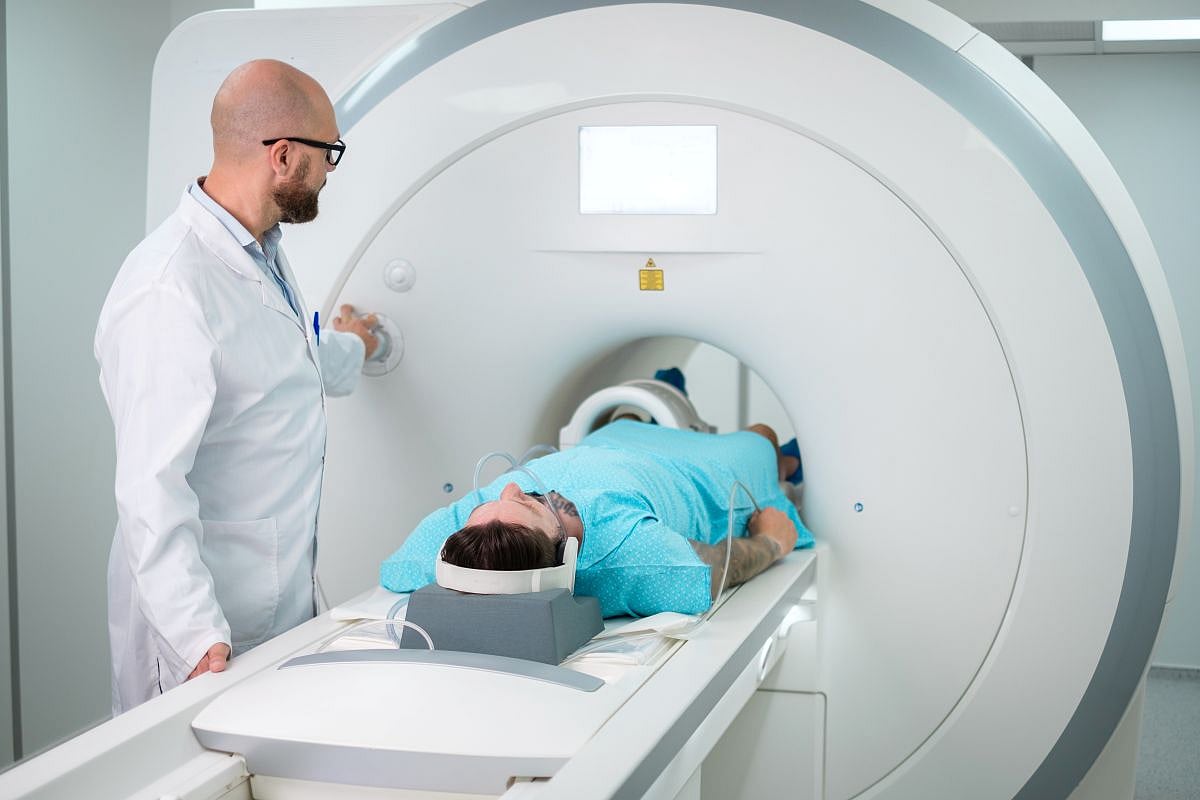 Pre-Prostate Biopsy MRI Use Increased From 2017 to 2026
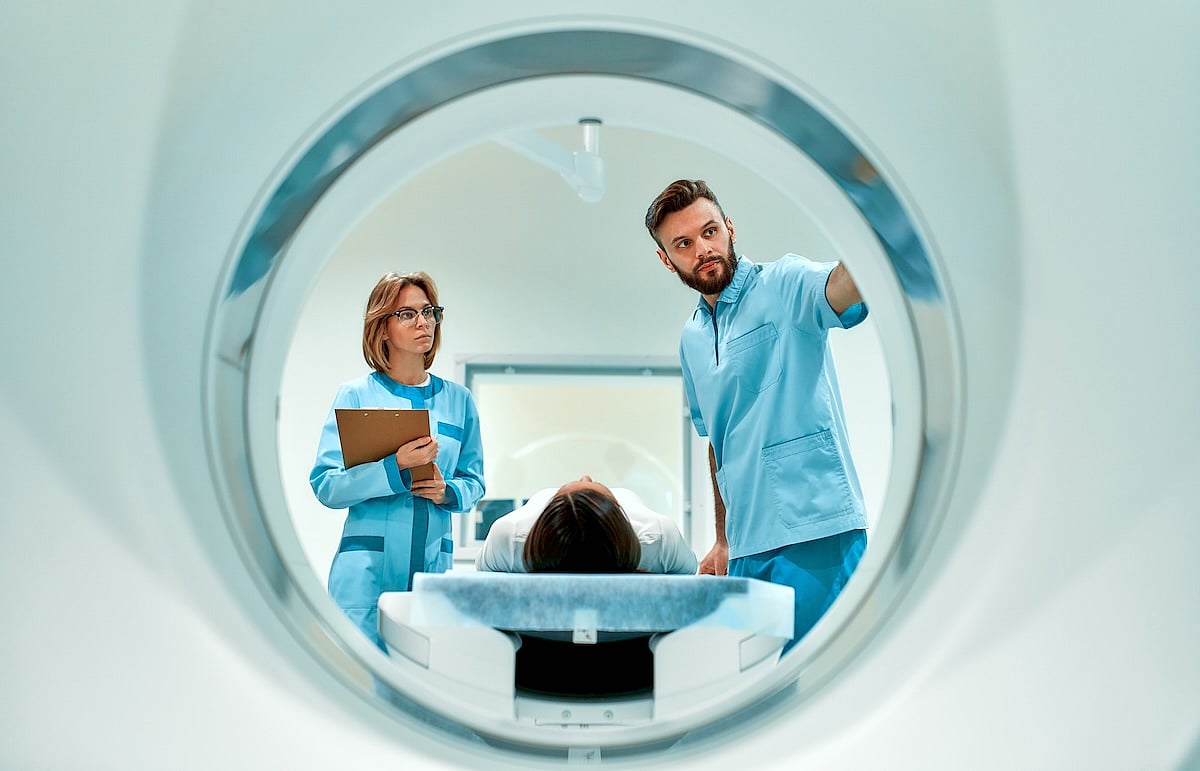 PET/MRI Offers Diagnostic, Prognostic Value in Pediatric Epilepsy
 Nighttime Light Exposure Linked to Adverse Cardiac Remodeling
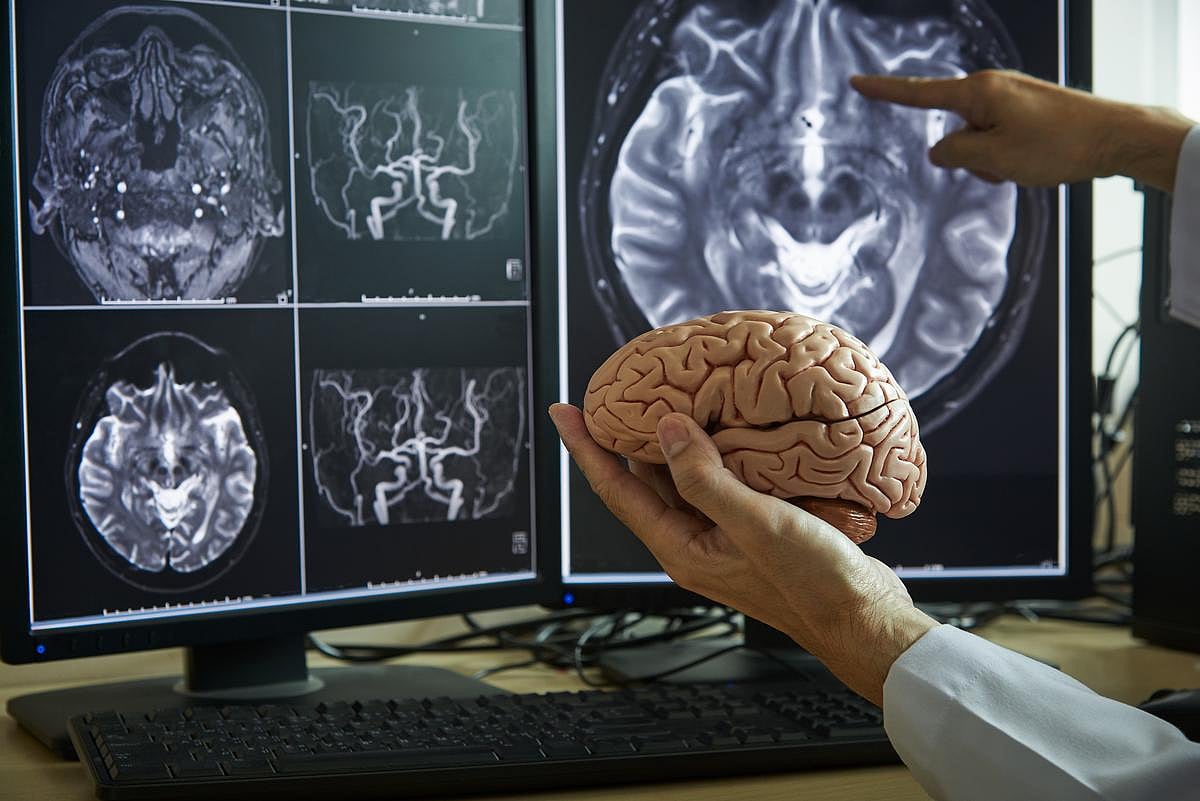 Brain Abnormalities Identified in Children at Risk for Schizophrenia





.jpeg)