



Significant improvement seen in clinical efficacy with press-needle therapy; therapy plus medication superior to medication alone
FRIDAY, July 31, 2026 (HealthDay News) — For children with allergic rhinitis (AR), press-needle therapy, especially in addition to medication, is potentially effective, improving clinical response, symptoms, and quality of life, according to a review published in the September issue of the International Journal of Pediatric Otorhinolaryngology.
Hongxuan Du, from Guangzhou Medical University in China, and colleagues conducted a systematic review of randomized controlled trials of press-needle therapy for pediatric AR, followed by a meta-analysis performed using appropriate statistical methods.
Twenty-four randomized controlled trials were included, with 1,625 participants. The researchers observed a significant improvement in clinical efficacy with press-needle therapy (odds ratio, 3.75). Press-needle therapy plus medication was superior to medication alone (odds ratio, 4.60), while no significant advantage was seen for press-needle monotherapy versus medication alone. There were significant reductions in Visual Analog Scale, Total Nasal Symptom Score, Pediatric Rhinoconjunctivitis Quality of Life Questionnaire score, and serum immunoglobulin E levels (standardized mean differences, −1.30, −0.74, −1.16, and −2.06 [based on three studies], respectively). Symptom and sign score, Eosinophil Ratio, and adverse drug reactions did not differ significantly. The intervention group had a significantly lower recurrence rate (odds ratio, 0.37).
“Caution is warranted due to methodological limitations and heterogeneity in some outcomes; high-quality, rigorously designed trials are needed to confirm these findings and optimize treatment protocols, enabling a clearer role for press-needle therapy in the integrated management of pediatric AR,” the authors write.
Abstract/Full Text (subscription or payment may be required)
 Preoperative Advanced Therapy May Improve Outcomes for Colorectal Surgery in Crohn Disease
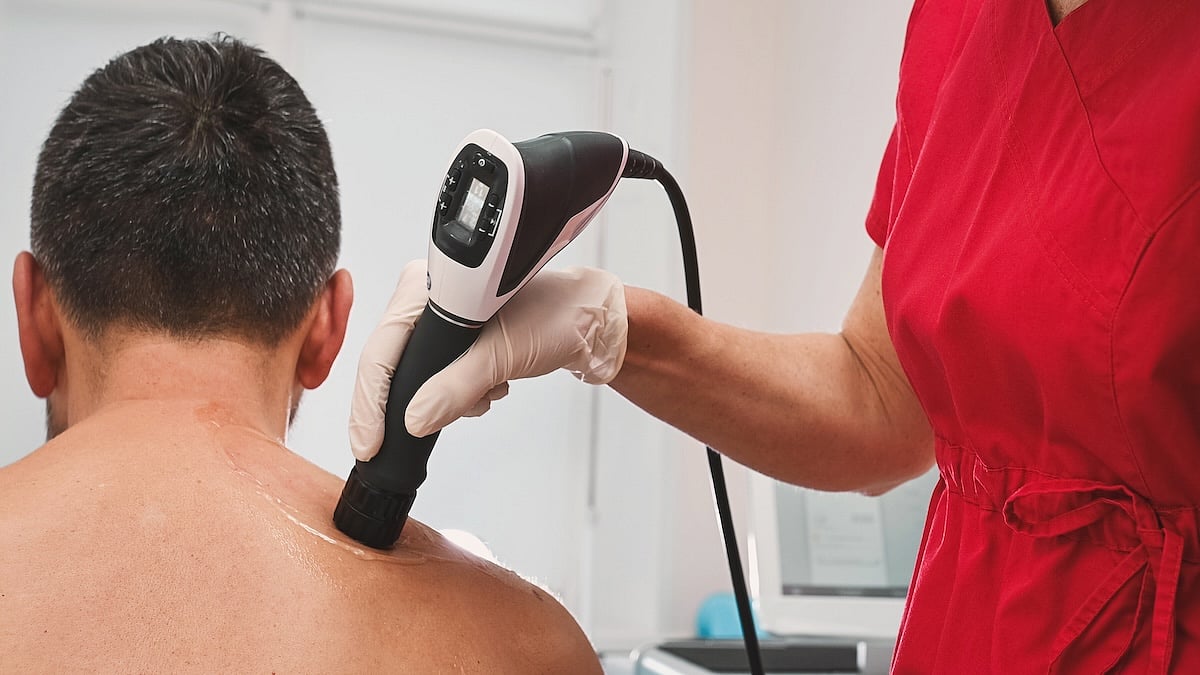 Shockwave Therapy May Provide Short-Term Benefit in Adhesive Capsulitis
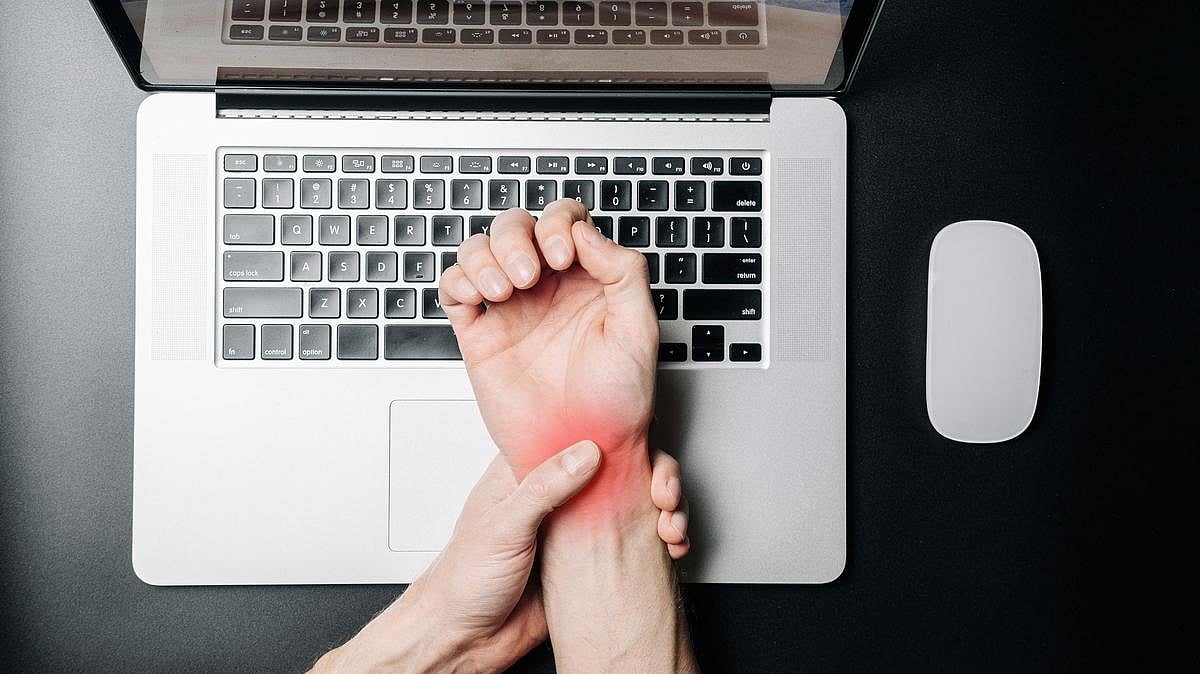 Ultrasound-Guided Hydrodissection Yields Improvements in Carpal Tunnel
 Nearly 1 in 5 Patients Report Exposure to Ophthalmic Treatments Perceived as Bogus
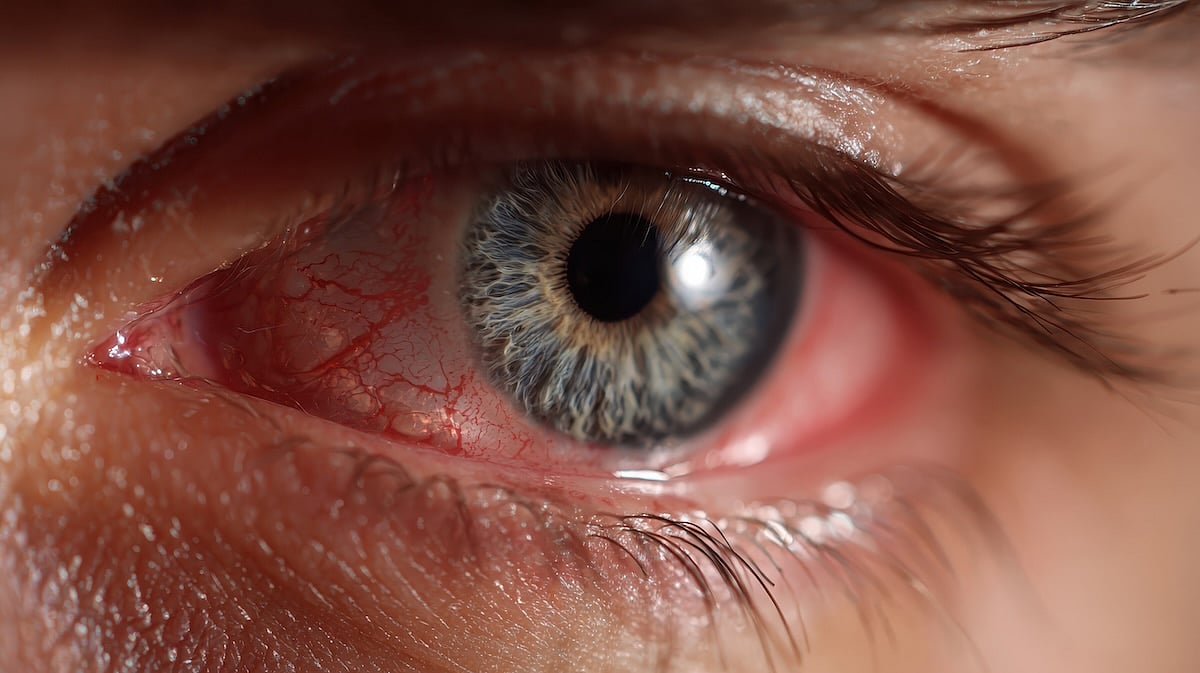 Randomized Trial of Early Vitrectomy Feasible for Postoperative Endophthalmitis
 Fecal Microbiota Transplantation-Based Treatment Shows Promise for Chronic Insomnia
 Most TikTok Sunscreen Content Is Accurate
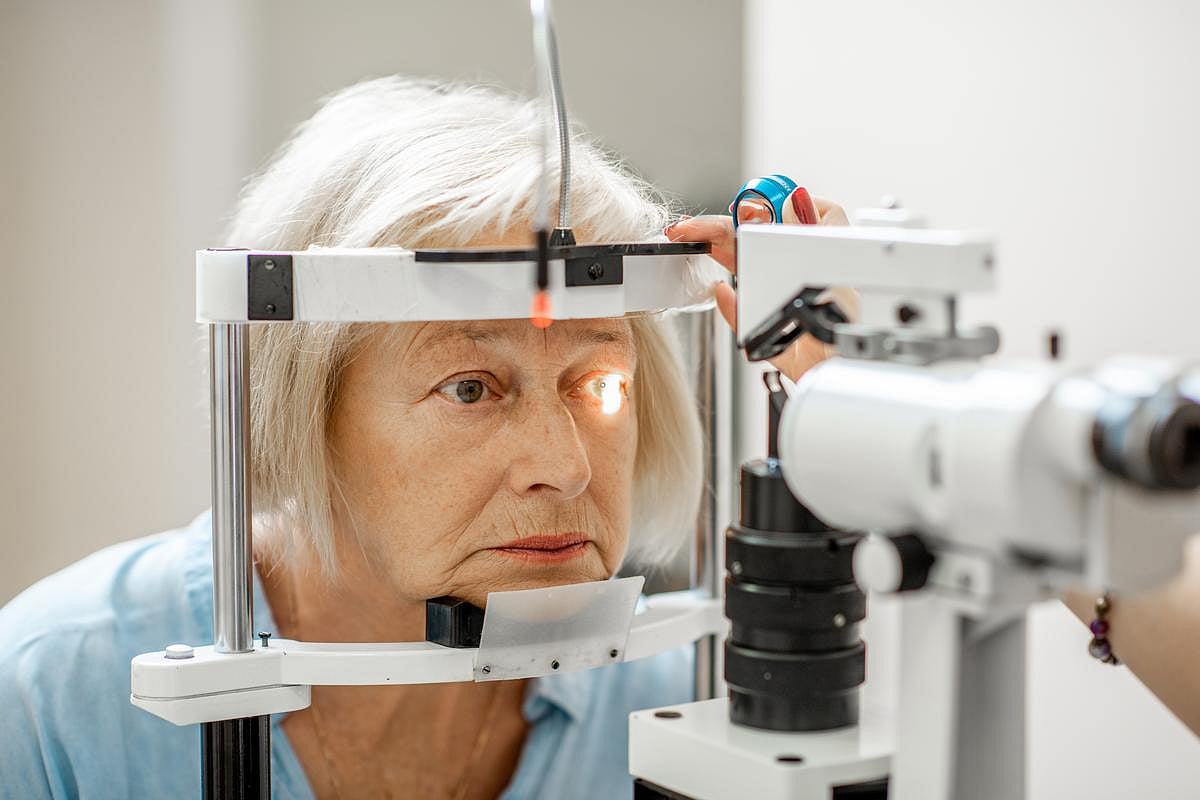 Novel Treatment Regimen Promising for Diabetic Macular Edema
.jpeg)



