
Associations included higher prevalence of focal to bilateral tonic-clonic seizures in drug-resistant epilepsy
MONDAY, Sept. 28, 2026 (HealthDay News) — Frequent cannabis use is associated with markers of increased epilepsy severity among patients with drug-resistant epilepsy, according to a study published online Sept. 28 in Epilepsia.
Santiago Philibert-Rosas, M.D., from Washington University in St. Louis, and colleagues examined the association between frequent cannabis use and epilepsy severity, clinical phenotype, and imaging characteristics in a retrospective cohort study involving adults with drug-resistant epilepsy admitted to a tertiary care epilepsy monitoring unit (EMU). Patients were classified based on cannabis use documented in the electronic medical record (64 patients were included: 42 nonusers and 22 frequent users).
The researchers observed an association for frequent cannabis use with shorter time from epilepsy onset to EMU admission, higher prevalence of focal to bilateral tonic-clonic seizures (FBTCS), greater annualized FBTCS frequency, and higher antiseizure medication burden. All frequent cannabis users had temporal lobe epilepsy (TLE), although no significant difference was seen in the prevalence of TLE between the groups. In an imaging analysis, there were no significant group differences noted.
“Right now, the honest answer when a patient asks whether their cannabis use is affecting their seizures is that we”re not sure,” Philibert-Rosas said in a statement. “Larger studies will help us give them a real answer — how much matters and whether stopping helps — so they can make an informed decision.”
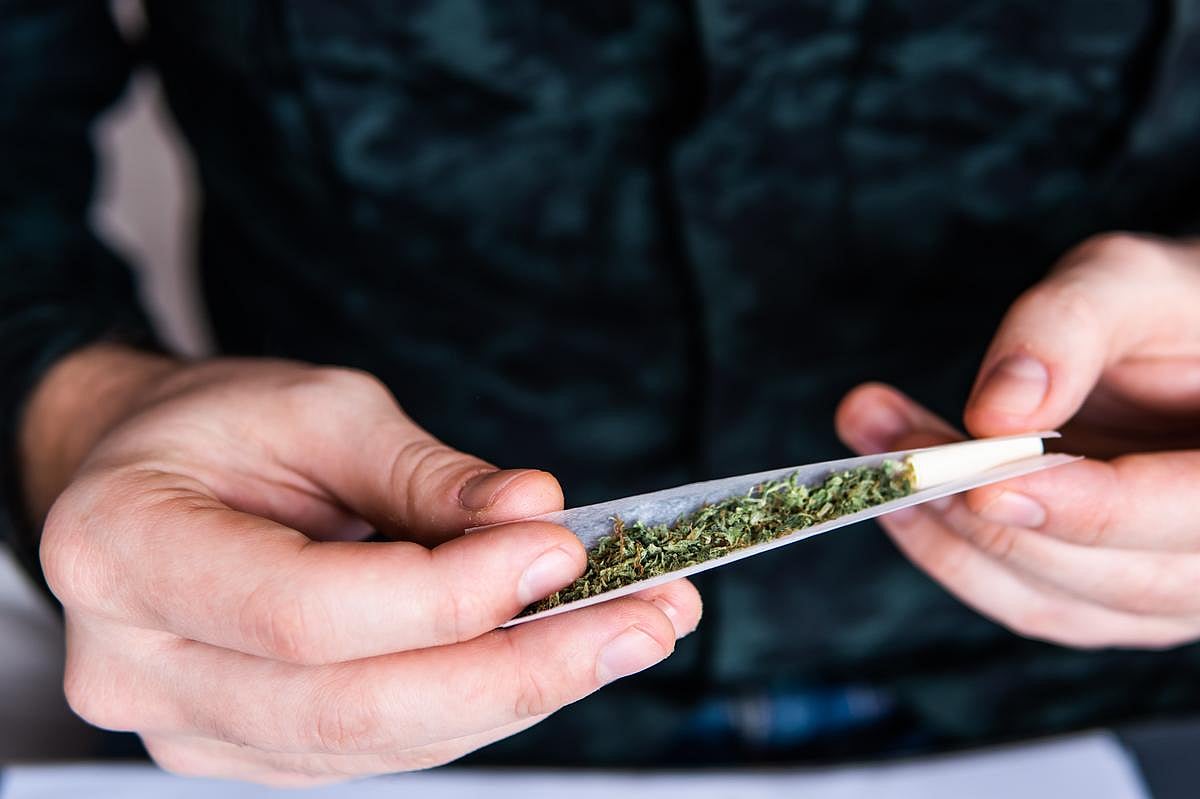 Odds of Suicidal Ideation Elevated for Adults With Cannabis Use Disorder
 CDC: 1 in 10 U.S. Adults Reported GLP-1 Medication Use July to August 2025
 β3 Agonists Do Not Cut Dementia Risk Versus Anticholinergics in OAB
 Characteristics of Individuals Diagnosed With Autism Have Changed Since 2010
 Temporal Interference Stimulation Targeting Prefrontal Cortex May Alleviate Depression Symptoms
 Head-to-Head Comparisons Show Three Antidepressants Have Greater Long-Term Efficacy
 Drug Interactions Reducing Contraceptive Effectiveness Common in Epilepsy
 Better Youth Fitness May Lower Risk for Depression in Adulthood