Additionally, lower vertebral bone density was associated with age-related white matter changes in the brain
TUESDAY, Sept. 29, 2026 (HealthDay News) — Lower vertebral bone mineral density (vBMD) is associated with changes in brain structure and cognition among older adults, according to a study published online Sept. 22 in Radiology.
Sara Momtazmanesh, M.D., from Johns Hopkins University in Baltimore, and colleagues examined whether thoracic vBMD, derived using deep learning models of noncontrast chest computed tomography (CT), is associated with longitudinal changes in white matter (WM) integrity, WM hyperintensities (WMH) burden, and cognitive decline. The analysis included 715 adults (median age, 69 years) without clinically recognized cardiovascular disease participating in the Multi-Ethnic Study of Atherosclerosis.
The researchers found that lower baseline vBMD was associated with faster decline in total WM fractional anisotropy (405 participants; β = −0.036 standard deviation [SD]/year/0.1 g/cm3 vBMD decrease). However, this association did not survive false discovery rate correction. Lower vBMD was associated with faster fractional anisotropy decline, specifically in the anterior limb of the internal capsule (β = −0.048 SD/year) and faster WMH accumulation in the corpus callosum (408 participants; β = 12.8 percent/year). Additionally, lower vBMD was associated with faster decline in the global cognitive composite (639 participants; β = −0.025 SD/year) and the Cognitive Abilities Screening Instrument (675 participants; β = −0.320/year). Diabetes intensified the associations with WMH progression (β = 4.99 percent).
“Chest CT is done for lung cancer screening, calcium scoring, nodule follow-up, and many other indications,” Momtazmanesh said in a statement. “These scans could provide an opportunistic measurement of bone density from the thoracic spine that is associated with a loss of cognitive function.”
 Pharmacist-Led Med Review Improves Medication Quality in Older Patients With Cancer
 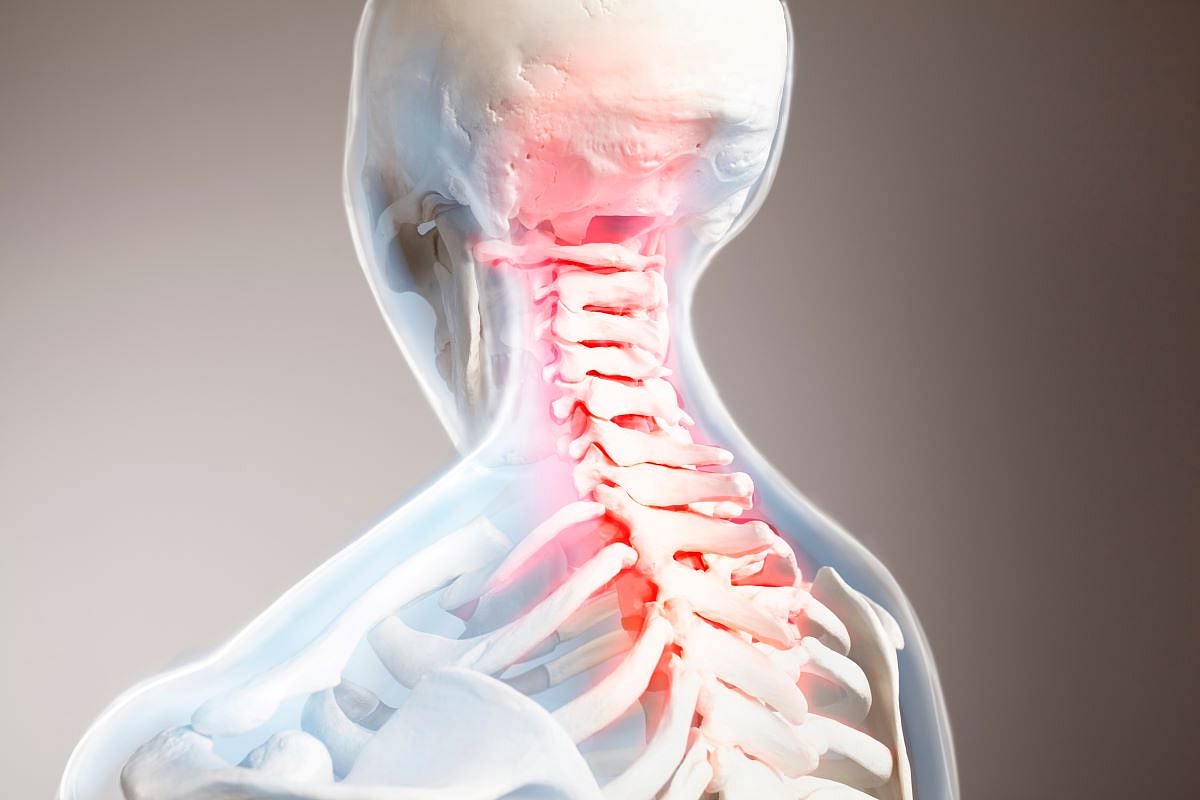 Myeloma Risk Modestly Increased in Adults With Incidentally Detected Vertebral Fracture
  Multicomponent Interventions Offer Little Impact on Fall Risk
  Nearly 3 in 4 Older Adults Express Interest in Vaccine to Prevent Dementia
  Insomnia Linked to Increased Risk for Stroke, Odds of Admission
  Increased Dementia Risk Seen After Transient Ischemic Attack
 .jpg) Mortality Lowest at Hemoglobin Concentrations Above WHO Thresholds
Mortality Lowest at Hemoglobin Concentrations Above WHO Thresholds  People With Autism Have Shorter Life Expectancy
.jpeg)