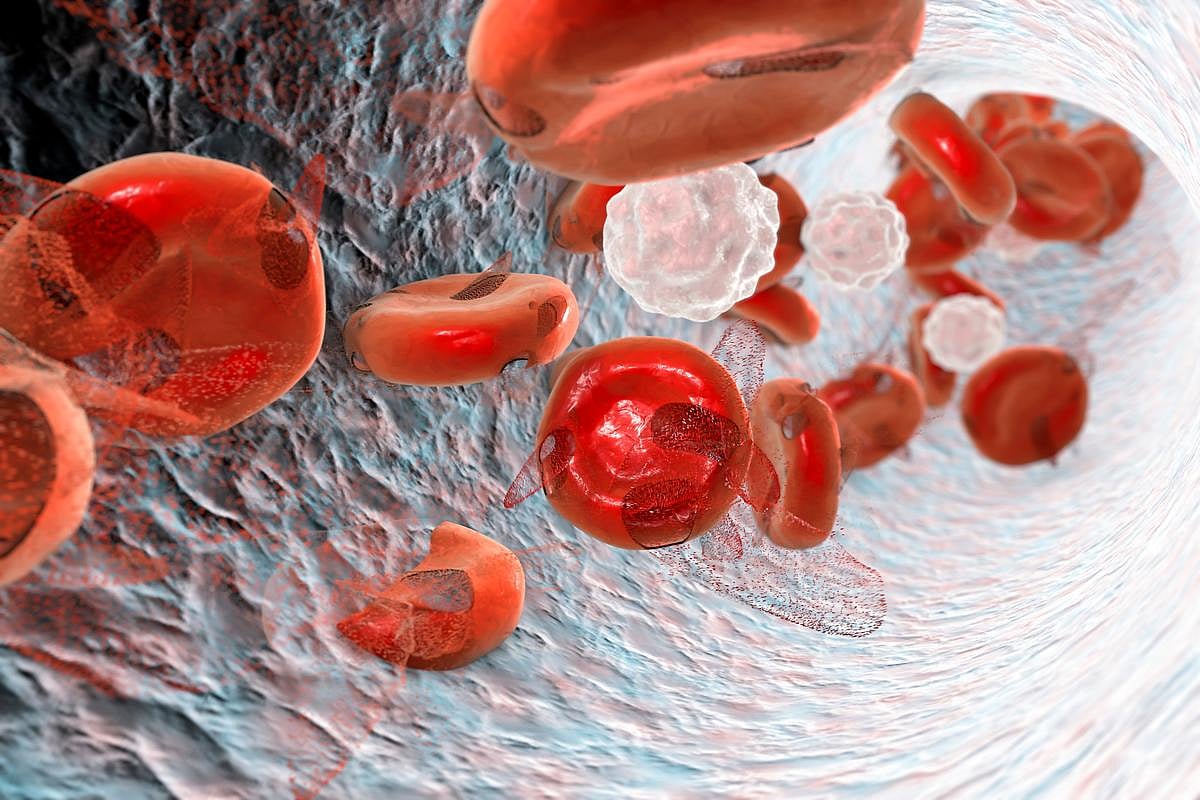
49 and 41 percent of adult childhood cancer survivors of ALL, AML, NHL met clinical thresholds for depression and anxiety
WEDNESDAY, Sept. 30, 2026 (HealthDay News) — For childhood cancer survivors (CCSs) of acute lymphoblastic leukemia (ALL), acute myeloid leukemia (AML), and non-Hodgkin lymphoma (NHL), mental distress, fatigue, and executive function (EF) impairment are common in adulthood, according to a study recently published in Current Oncology.
Anna R. Franzén, Ph.D., from the Norwegian University of Science and Technology in Trondheim, and colleagues examined observed proportions of perceived mental distress, fatigue, and EF impairment in 132 adult CCSs of ALL, AML, and NHL recruited from two major Norwegian hospitals.
The researchers found that 49, 41, 43, and 28 percent of participants met the clinical thresholds for depression, anxiety, fatigue, and EF impairment, respectively. A significant association was seen for perceived EF impairment with mental distress and fatigue.
“It is well known that many childhood cancer survivors experience various health problems later in life, but the fact that so many of these children struggle with their mental health as adults is new knowledge,” Franzén said in a statement. “Follow-up studies will be needed to understand how these difficulties develop over time.”
 ESMO: Combination Treatment Improves Survival in Muscle-Invasive Bladder Cancer
 Temporal Interference Stimulation Targeting Prefrontal Cortex May Alleviate Depression Symptoms
 Personality Measures Provide Clinically Meaningful Insight Into bvFTD
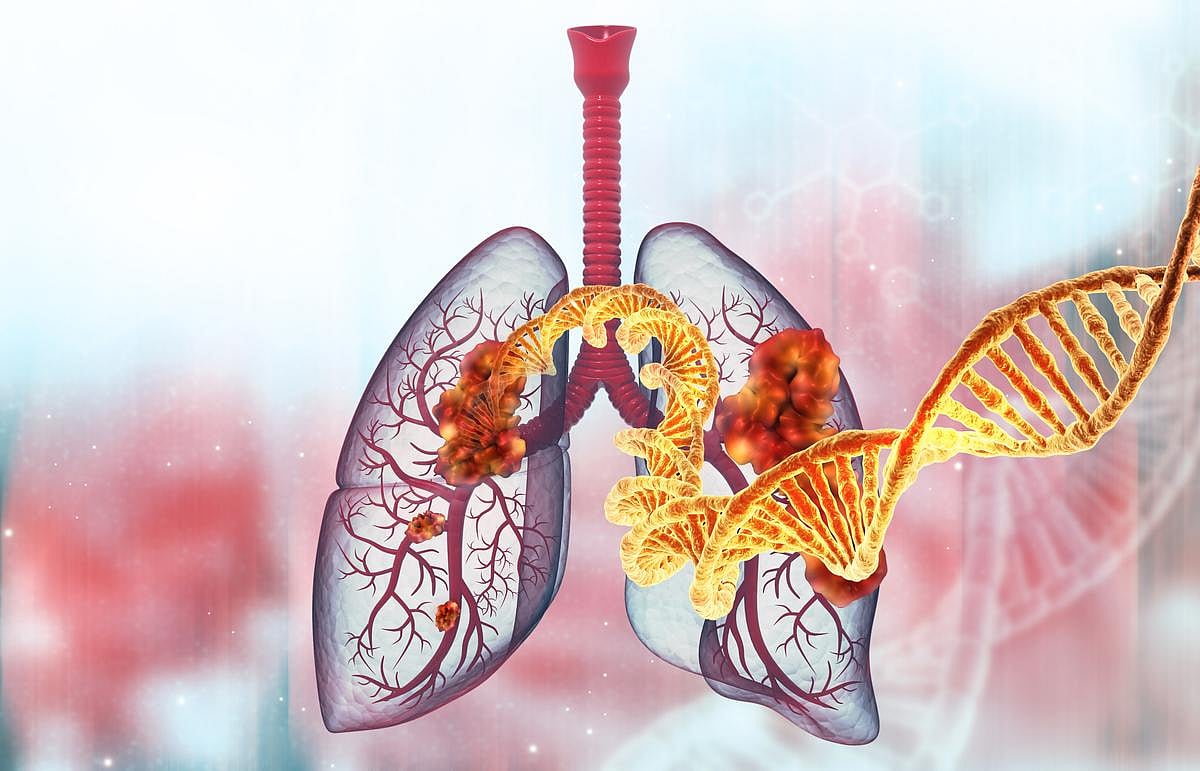 Broad Genomic Sequencing Improves Survival in First-Line Setting in Advanced NSCLC
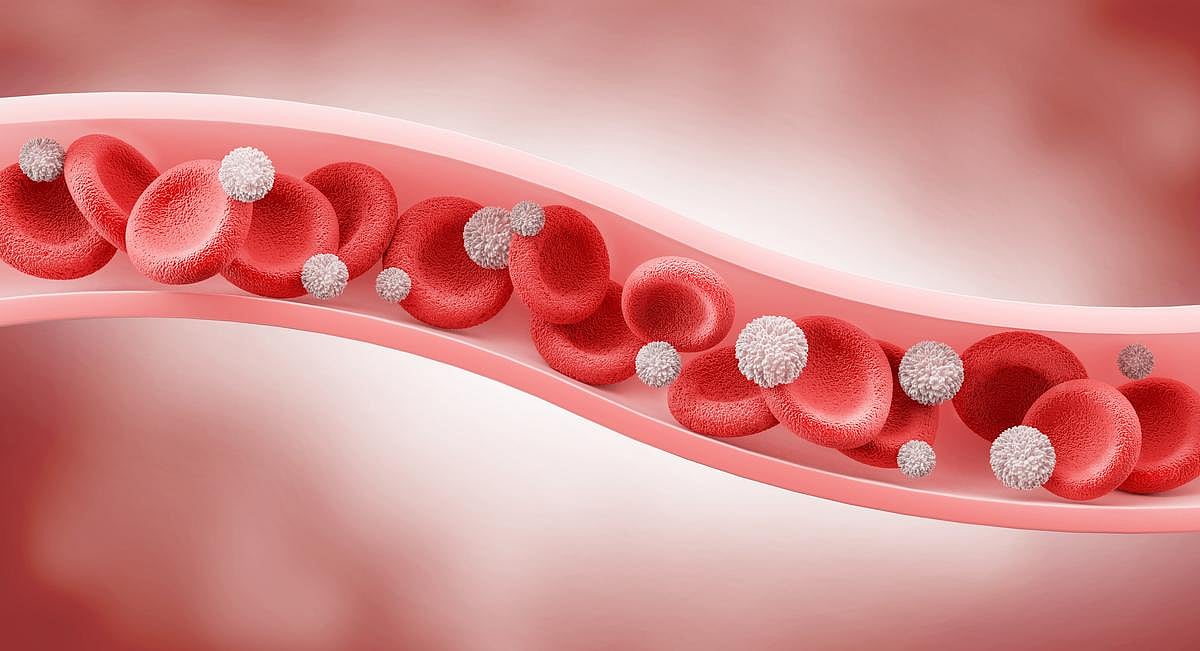 Reference Intervals Developed for Children, Adults With Duffy Null Status
 Morphea Linked to Higher Risk for Cancer
 1975 to 2017 Saw Increases in Survival for Children With Cancer
 Guidelines Updated for Prostate Cancer Screening