
RRs for autism generally decreased with increasing age, peaking at 20 to 29 years of age; similar pattern seen for ADHD with peak at younger than 20 years of age
THURSDAY, Oct. 1, 2026 (HealthDay News) — The prevalence of neurodiversity is increased among individuals diagnosed with type 2 diabetes (T2D) early in life, according to a study presented at the annual meeting of the European Association for the Study of Diabetes, held from Sept. 28 to Oct. 2 in Milan.
Jonathan Goldney, M.B.Ch.B., from the Diabetes Research Center in Leicester, England, and colleagues examined how the prevalence of neurodiversity in individuals with T2D varies with age at diabetes diagnosis using data from the TriNetX U.S. collaborative network. Individuals with newly diagnosed T2D were identified and classified by age at diagnosis into groups spanning 10 years. Each group was propensity score-matched to individuals without T2D.
A total of 3.4 million matched pairs aged younger than 80 years were included. The researchers found that the prevalence of neurodiversity outcomes was highest at a younger age in individuals with and without T2D and declined quickly with increasing age, reaching an extremely low level beyond age 40 years. Comparing individuals with versus without T2D, the RRs for autism generally decreased with increasing age, peaking at 20 to 29 years (RR, 4.0), corresponding to a prevalence of 2.3 and 0.6 percent with and without T2D, respectively. RRs followed a similar pattern for attention-deficit/hyperactivity disorder, with a peak at younger than 20 years of age (RR, 2.1; 14.4 and 6.7 percent for those with and without T2D, respectively). For dyslexia, there was a similar decline in the RR with increasing age.
“The higher prevalence of neurodiversity among people diagnosed with T2D earlier in life should be considered when planning services for people with early-onset T2D,” Goldney said in a statement.
 GLP-1 Receptor Agonists, SGLT-2is Slow Renal Function Decline in T2D With Albuminuria
 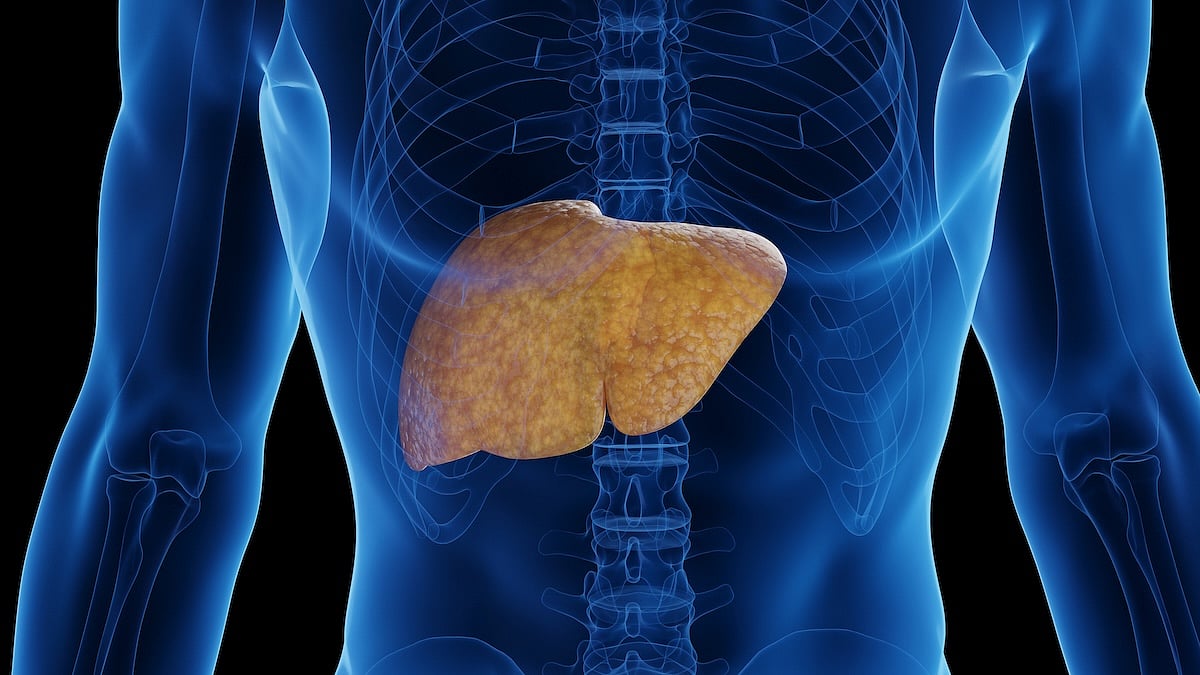 Genetics, Diabetes Tied to MASLD-Associated Cirrhosis Before Age 50
  People With ADHD Experience 50 Percent More GI Symptoms
  Study IDs Risk Factors for Ketoacidosis in Adults With T2D Receiving SGLT2 Inhibitors
  Polypharmacy of Prescription Medications Increased for U.S. Older Adults
  Low Hydroxychloroquine Intake, Blood Levels Linked to ASCVD Risk in Lupus
  Blinatumomab Improves Event-Free Survival in Children With High-Risk B-Cell ALL
  Anifrolumab Tied to Lower Hospitalization, Infection Risk in Lupus
.jpg)