
Most patients presented with stage III or IV disease; relapse occurred in 36.9 percent at median of 11 months
MONDAY, Oct. 5, 2026 (HealthDay News) — Most adolescents with colorectal cancer (CRC) present with advanced disease, and relapse is common, according to a study presented at the annual American Academy of Pediatrics National Conference & Exhibition, held from Oct. 2 to 6 in San Diego.
Erica Arnold, M.D., from the Abigail Wexner Research Institute at Nationwide Children”s Hospital in Columbus, Ohio, and colleagues conducted a retrospective study involving patients ages 21 years or younger with CRC diagnosed between 2012 and 2023.
Eighty-four patients with CRC were identified: 77.4 and 22.6 percent with colon adenocarcinoma and rectal adenocarcinoma, respectively. The median age at diagnosis was 16.5 years; 56.0 percent of the patients were male. The researchers found that 17 patients (20.2 percent) reported having a first- or second-degree relative with CRC. Back/abdominal pain, change in bowel habits, weight loss, and rectal bleeding were the most common presenting symptoms (73.8, 45.2, 42.9, and 38.1 percent, respectively). The median duration of symptoms was 12 weeks before diagnosis; median time to colonoscopy was 13 weeks. Most patients presented with stage III or IV disease (51.0 and 29.0 percent, respectively). Overall, 73.8 and 4.8 percent of patients underwent upfront resection and attempted resection with only ostomy creation due to unresectable disease, respectively; 17.9 and 3.6 percent received neoadjuvant chemotherapy and definitive chemoradiation, respectively. Relapse occurred among 31 patients (36.9 percent) at a median of 11 months; at diagnosis, 96.8 percent were stage III/IV at diagnosis. Overall, 38 patients (45.2 percent) died due to CRC at the end of the study.
“Colorectal cancer is, unfortunately, becoming more common in adolescents and young adults and represents a different disease than colorectal cancer diagnosed in older adults,” Arnold said in a statement.
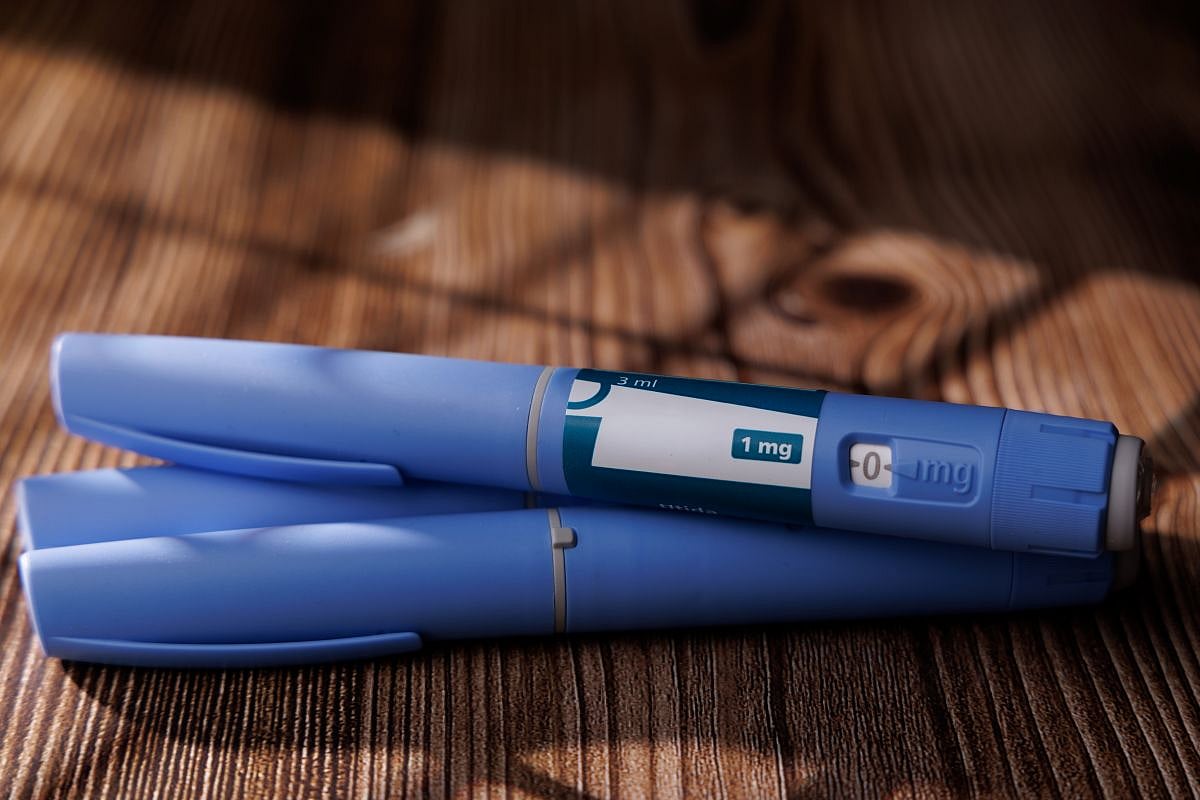 Nutritional Deficiencies Seen in Youth Taking GLP-1 Receptor Agonists
  Surveillance Colonoscopy at Five Years After Adenoma Removal Noninferior to Three Years
  Family History of CRC Increases CRC Risk Similarly in IBD, General Population
  Youth Suicide Risk Linked to Community Firearm Violence
  Childhood Cancer Survivors Often Have Mental Distress in Adulthood
  Insomnia Linked to Increased Risk for Stroke, Odds of Admission
  Reducing Ultraprocessed Food May Alleviate Symptoms of Depression
  Age-Adjusted Suicide Rate Increased From 2014 to 2017 and Then Plateaued
.jpg)