


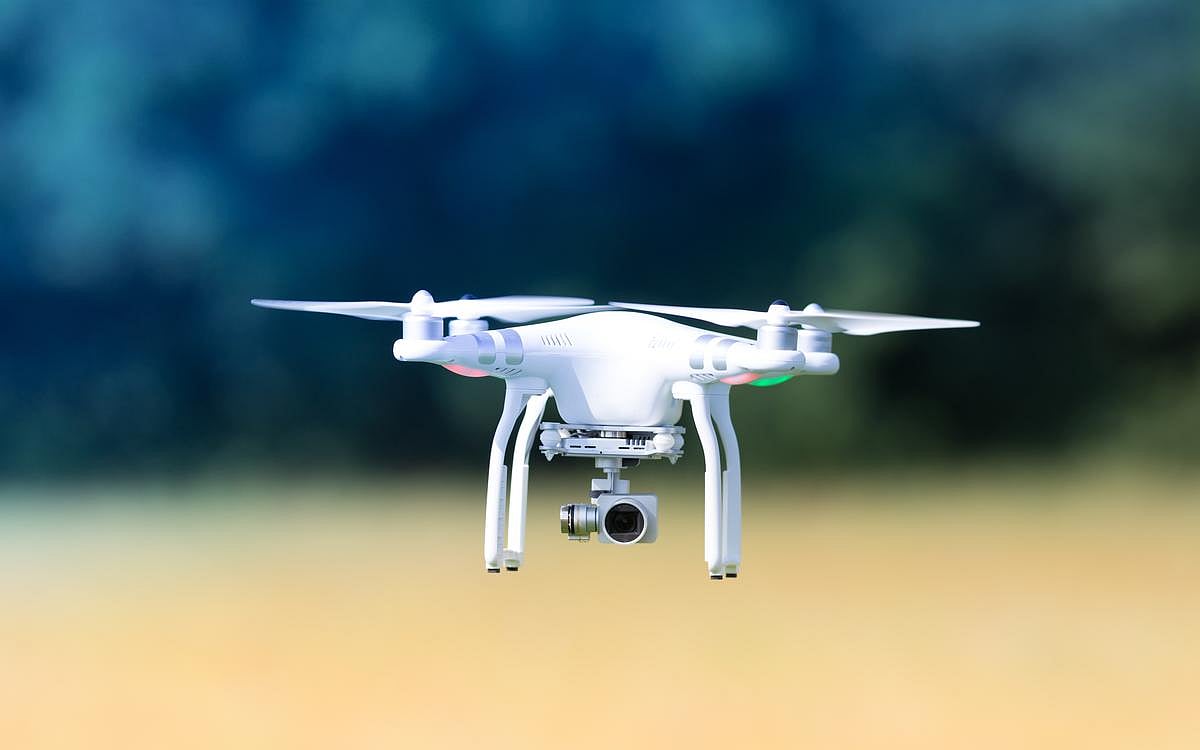
Defibrillator drones are already beating ambulances to some emergencies, but flight rules keep most programs small
TUESDAY, Nov. 24, 2026 (HealthDay News) — Paramedics in one Florida county may soon be able to call in a drone to bring blood to a patient who”s bleeding heavily.
Hillsborough County says the system is the nation”s first of its kind, The Washington Post reported. It should launch within weeks, starting with a 70-square-mile area.
Paramedics will order temperature-controlled whole blood through a phone app. The aim is for blood to arrive within 3.5 minutes.
County officials said the drones could help people hurt in car crashes, shootings or stabbings, as well as women with severe bleeding after childbirth. For some of these patients, waiting for a transfusion at the hospital could be too late.
Archer First Response Systems runs the blood program and began flying emergency drones in two Florida counties in May 2024. So far, its drones have answered 15 emergency calls, founder and CEO Gordon Folkes told The Post.
Those drones carry ready-made kits that can include an automated external defibrillator (AED). This portable device reads the heart”s rhythm and, if needed, shocks it back into a steady beat.
Kits may also hold tourniquets, Narcan for opioid overdose, albuterol for asthma attacks and epinephrine for severe allergic reactions.
In one case, a drone lowered an AED to a woman whose husband had collapsed. “She got the AED pads on the chest about four minutes before ground units even arrived on the scene,” Folkes said.
The device spotted a heart rhythm a shock can”t fix, and he died.
Still, speed matters in cardiac arrest. Without a shock, a person”s odds of survival fall 7% to 10% with each passing minute, the American Heart Association estimates.
“In cardiac arrest, getting a defibrillator to someone quickly is absolutely crucial,” Dr. Robson Gilmour, a U.K. resident doctor who studies drone transport of donor organs, told The Post.
In western Sweden, AED drones are now part of many emergency responses. They cover about 15% of the region”s population, local officials told The Post.
Programs are popping up elsewhere, too. In July, Cleveland Clinic teamed up with drone company Zipline on what The Post called a first-of-its-kind program to deliver prescriptions by drone.
Yet medical drones haven”t caught on widely in the United States. Federal Aviation Administration (FAA) rules generally require drones to stay where the pilot can see them, Gilmour said. Waivers exist, but they don”t easily support a large, everyday delivery network, he added.
Those limits also slow efforts to fly donor organs. In 2019, a drone carried a kidney less than 3 miles across Baltimore for a successful transplant.
Gilmour expects blood, lab samples and medicines to become routine first. They”re more frequent and easier to fit into today”s health systems, he explained.
In parts of sub-Saharan Africa with rough roads, drones already deliver blood, vaccines and medicines routinely.
“I”d imagine there are plenty of similar situations in rural parts of the United States where drones could make a real difference,” Gilmour said.
More information
Visit the National Library of Medicine for more information about drone use in emergencies.
SOURCE: The Washington Post, Nov. 21, 2026
 Paintball-Related Eye Injuries Declined 84.5 Percent From 2005 to 2025
 ED Visits, Hospitalizations for Alcohol, Cannabis Vary by Age
 Rates of Pediatric E-Bicycle, E-Scooter Injuries Increasing
 Withdrawal From Medetomidine Increasingly Seen in ICUs
.jpg) Rates of Drug Use-Associated Infective Endocarditis Declined From 2020 to 2022
 Nonpharmacologic Therapy Cuts Opioid Use Disorder Risk With Low Back Pain
.jpg) Considerable Gaps Reported in Care for Youth With Opioid Use Disorder
 Study Looks at Patient Experiences With Sedative Contaminating Fentanyl

.jpg)

.jpg)

