


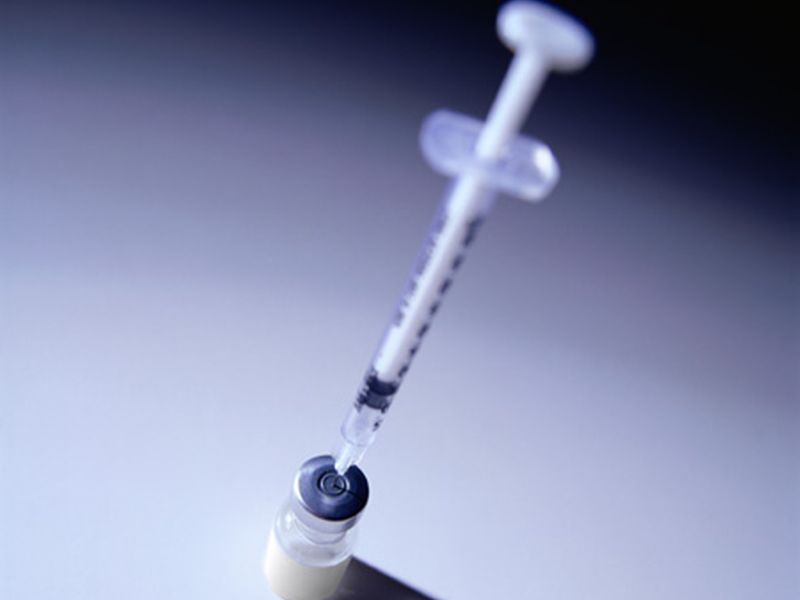
 Findings from two phase 3 trials show increased clinical response rates compared with placebo
THURSDAY, Aug. 4, 2016 (HealthDay News) — For patients with hidradenitis suppurativa, adalimumab is associated with higher clinical response rates, according to a study published in the Aug. 4 issue of the New England Journal of Medicine.
Alexa B. Kimball, M.D., M.P.H., from Harvard Medical School and Massachusetts General Hospital in Boston, and colleagues conducted two phase 3 multicenter trials of adalimumab for hidradenitis suppurativa with two placebo-controlled periods (PIONEER I and PIONEER II). Patients were randomized to adalimumab or placebo for 12 weeks in period one. Patients were reassigned to adalimumab at a weekly or every-other-week dose or to placebo for 24 weeks in period two. Three hundred seven and 324 patients were enrolled in PIONEER I and PIONEER II.
The researchers found that the groups receiving adalimumab weekly had higher clinical response rates at week 12 than those receiving placebo (41.8 versus 26.0 percent in PIONEER I [P = 0.003] and 58.9 versus 27.6 percent in PIONEER II [P < 0.001]). In PIONEER II only, at week 12, patients receiving adalimumab had significantly greater improvement in rank-ordered secondary outcomes (lesions, pain, and the modified Sartorius score for disease severity) than those receiving placebo.
“Treatment with adalimumab (40 mg weekly), as compared with placebo, resulted in significantly higher clinical response rates in both trials at 12 weeks; rates of serious adverse events were similar in the study groups,” the authors write.
Several authors disclosed financial ties to pharmaceutical companies, including AbbVie, which manufactures adalimumab and funded the study.
 Morphea Linked to Higher Risk for Cancer
 Congenital Ichthyosis Linked to Allergic Disorders
 Distinct Skin Microbiome Features Emerge Before Atopic Disease Onset in Infants
 Freshwater Swimming Tied to Stomach Bugs, Skin Conditions
 Environmental Lead Exposure Linked to Increased Risk for Strep in Children
 Occupational Exposure to Petroleum Linked to Increased Risk for MS
 H. Pylori Exposure May Contribute to Global Burden of Colorectal Cancer
 About 1 in 20 Hospitalized U.S. Adults With Firearm Injuries Develop Bacterial Infections




.jpeg)
