


 Among patients hospitalized for arrhythmia, those with alcohol abuse 72 percent more likely to die
MONDAY, Aug. 10, 2020 (HealthDay News) — Alcohol abuse independently increases the risk for mortality in patients with arrhythmia by more than 70 percent, according to a study presented at the American Heart Association Basic Cardiovascular Sciences 2020 Scientific Sessions, held virtually from July 27 to 30.
Rikinkumar S. Patel, M.D., from Griffin Memorial Hospital in Norman, Oklahoma, and colleagues evaluated the risk for in-hospital mortality among patients with arrhythmia and comorbid alcohol abuse. The Nationwide Inpatient Sample (2010 to 2014) was used to identify 114,958 patients (aged 15 to 54 years) hospitalized for arrhythmia.
The researchers found that the prevalence of alcohol abuse in arrhythmia inpatients was 9.75 percent. Comorbid alcohol abuse was more common among patients who were older (45 to 54 years; 68 percent), male (85.9 percent), and White (69 percent). There was a significant twofold increase in mortality risk for adults older than 45 years, but lower risk was observed among men versus women (odds ratio, 0.8). Atherosclerosis and diabetes significantly increased mortality risk in arrhythmia inpatients (odds ratios, 4.5 and 1.4, respectively). There was a higher risk for mortality during hospitalization among those with alcohol abuse (odds ratio, 1.7) even after controlling for demographic confounders and cardiovascular comorbidities.
“Physicians should educate patients with alcohol problems about their risk of hospitalization for arrhythmia and their increased risk of death,” Patel said in a statement. “Integrated care models need to be developed to formulate strategies to counter problematic alcohol use and improve the health-related quality of life of patients.”
 Obesity Linked to Early-Onset Cancer Risk in Young Adults
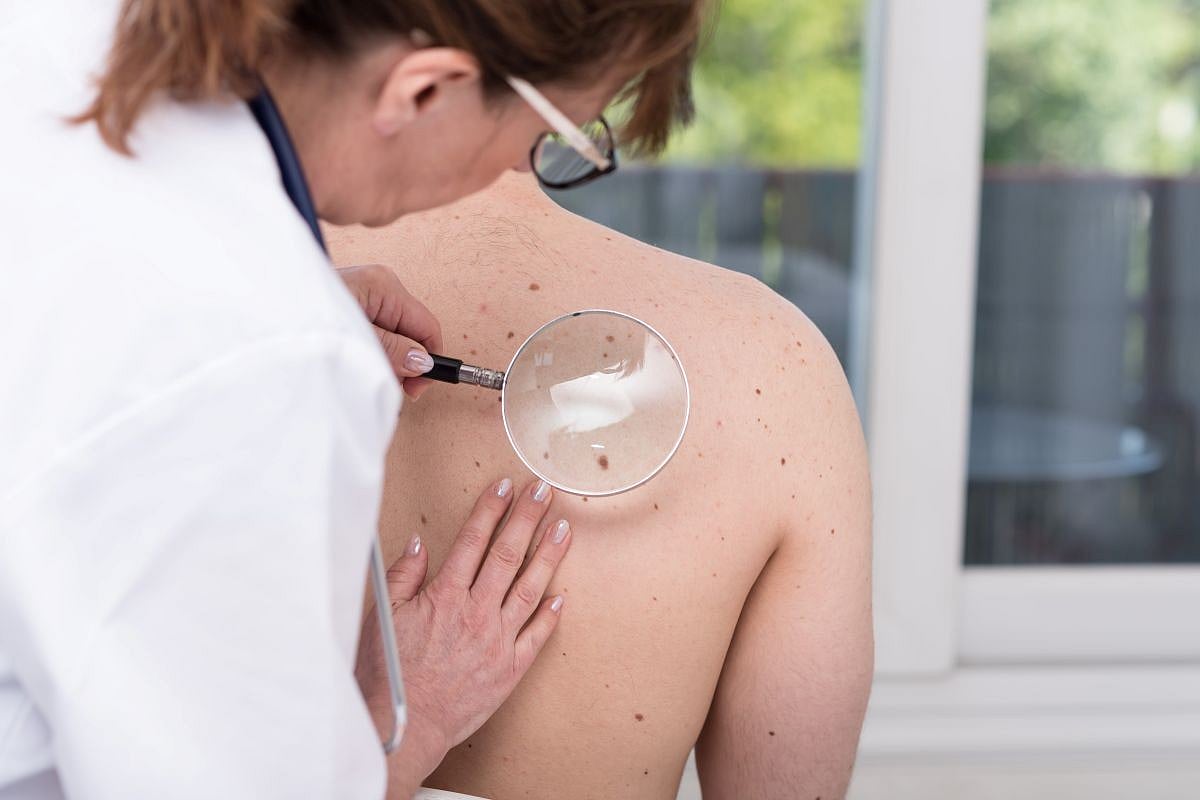 AI Tool Trained on Dermoscopy Images Helps ID Skin Cancer
.jpg) Most Specialty Oral Anticancer Meds for Blood Cancers Are Initially Rejected by Insurers
 Personalized Support Boosts Families" Genetic Testing for Hereditary Cancers
.jpg) Cancer Survivors Have Lower Levels of Physical Activity
 Pharmacist-Led Med Review Improves Medication Quality in Older Patients With Cancer
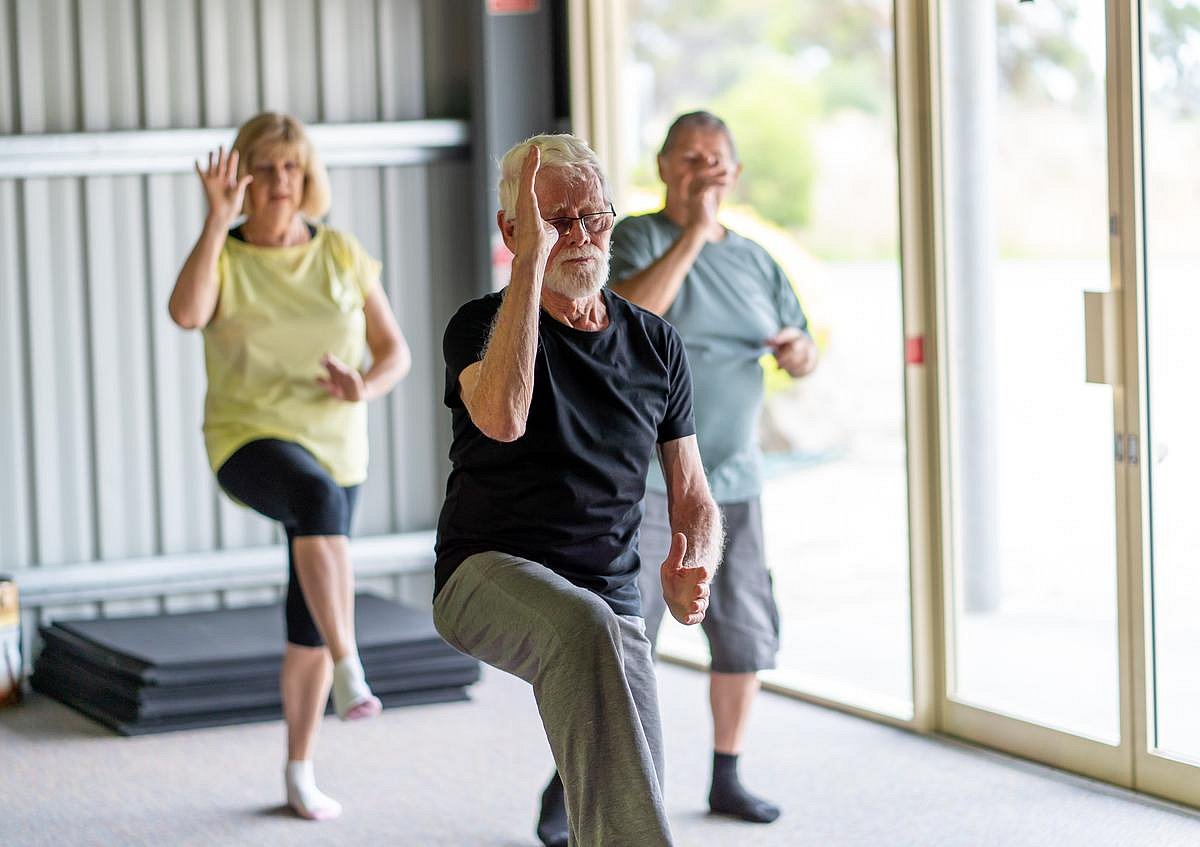 Mindfulness, Tai Chi May Benefit Cancer Survivors
.jpg) Mortality Lowest at Hemoglobin Concentrations Above WHO Thresholds





