


 Only 36 percent of patients request oral opioid meds in PACU despite receiving opioid-free anesthesia
TUESDAY, Oct. 24, 2017 (HealthDay News) — Opioid-free anesthesia is feasible and well-tolerated, and only 36 percent of patients requested oral opioids in the post-anesthesia care unit (PACU), according to a study presented at the annual meeting of the American Society of Anesthesiologists, being held Oct. 21 to 25 in Boston.
Enrico M. Camporesi, M.D., from the University of South Florida in Tampa, and colleagues conducted a retrospective review of surgical cases of 1,009 patients with a single anesthesiologist at an outpatient surgery center to describe the provision of anesthesia services without opioids. The opioid-free intraoperative anesthesia protocol included acetaminophen, magnesium, ketamine and lidocaine, and ketorolac (for adult patients if the surgeon allowed it). All patients also received Decadron, Zofran, and supplemental sevoflurane. Middle-ear surgery patients received gabapentin.
The researchers found that patients and surgeons reported satisfaction with the protocol for anesthesia, and postoperative pain management was well-tolerated. In the PACU, only 36 percent of patients requested oral opioid medications, with notably more pain medications for certain procedures, such as complex facial plastics and nasal/sinus surgeries with longer case lengths. More nausea medication was also required by patients in these two groups.
“In conclusion, safe anesthesia for multiple procedures varying in duration from an hour to several hours while using minimal opioids is possible,” the authors write.
.jpg) Video Games Help Reduce Children"s Preoperative Anxiety
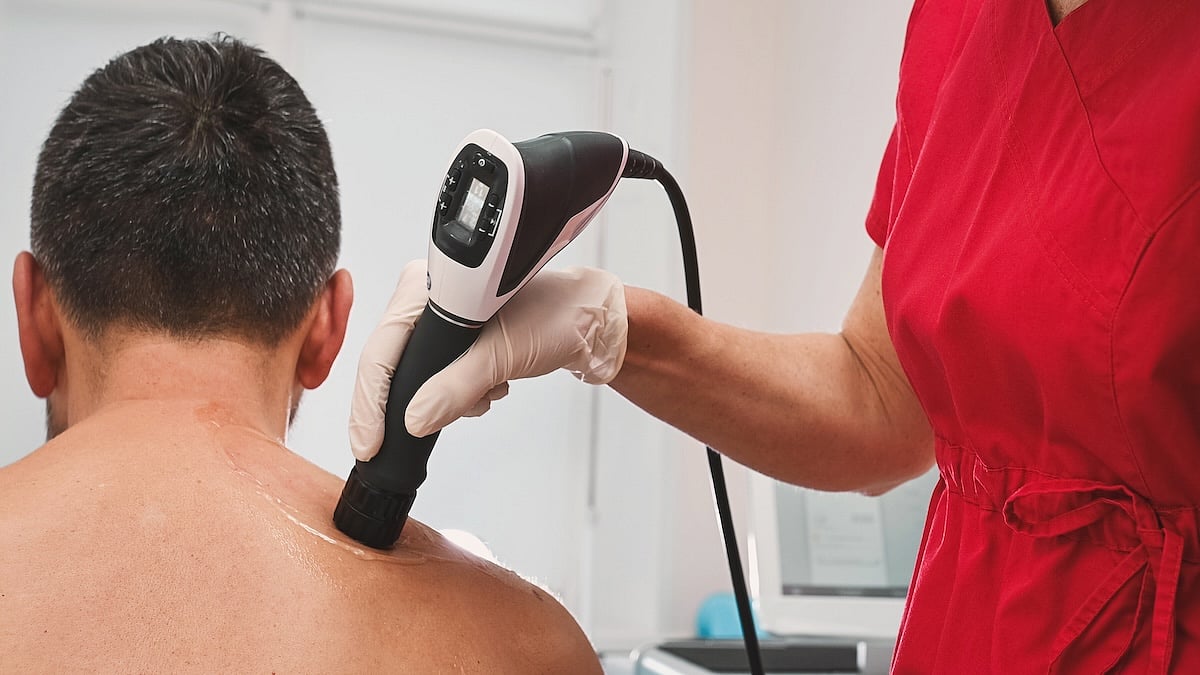 Shockwave Therapy May Provide Short-Term Benefit in Adhesive Capsulitis
 Seniors With Hypertension Benefit From Pausing ACE Inhibitors, ARBs on Morning of Surgery
 Lowering Doses of Maternal OUD Meds Not Linked to Severity of Neonatal Opioid Withdrawal
.jpg) Rates of Drug Use-Associated Infective Endocarditis Declined From 2020 to 2022
 Nonpharmacologic Therapy Cuts Opioid Use Disorder Risk With Low Back Pain
 Maternal Night-Shift Work Tied to Later Neurodevelopmental Issues in Offspring
 Low Levels of Placental Growth Factor in Pregnancy Linked to Subsequent ADHD in Offspring
.jpeg)




