


Lower odds of head and neck cancers seen among vaccinated males
THURSDAY, May 23, 2024 (HealthDay News) — Human papillomavirus (HPV) vaccination is associated with reduced odds of several types of HPV-related cancers, not just cervical cancer, according to a study presented at the annual meeting of the American Society of Clinical Oncology, held from May 31 to June 4 in Chicago.
Jefferson DeKloe, from Thomas Jefferson University in Philadelphia, and colleagues conducted a retrospective cohort study involving patients aged 9 to 39 years attending medical encounters where any vaccine was administered between Jan. 1, 2010, and Dec. 31, 2023. Participants were categorized into those vaccinated for HPV at least five years prior and those with no history of HPV vaccination.
The researchers found that males vaccinated for HPV had reduced odds of HPV-related cancers (odds ratio, 0.46), which was mainly driven by a significant reduction in head and neck cancer (HNC; odds ratio, 0.44). Females vaccinated for HPV had significantly lower odds of cervical cancers and HPV-related cancers overall (odds ratios, 0.71 and 0.73, respectively). No significant difference was seen in the odds of HNC and vulvar/vaginal cancer for vaccinated females versus controls. The likelihood of developing high-grade squamous intraepithelial lesions and carcinoma in situ was reduced for vaccinated females (odds ratios, 0.44 and 0.422, respectively).
“This study adds to a growing body of evidence demonstrating decreased rates of HPV-related cancer among people who received the HPV vaccination,” DeKloe said in a statement. “Identifying effective interventions that increase HPV-vaccination rates is critical in reducing undue cancer burden in the United States.”
One author disclosed ties to the pharmaceutical industry.
 Trajectories of HPV Infection Can Predict Cervical Lesions
 Nearly 3 in 4 Older Adults Express Interest in Vaccine to Prevent Dementia
 Lower Breast, Cervical Cancer Screening Seen for Adults With Disabilities
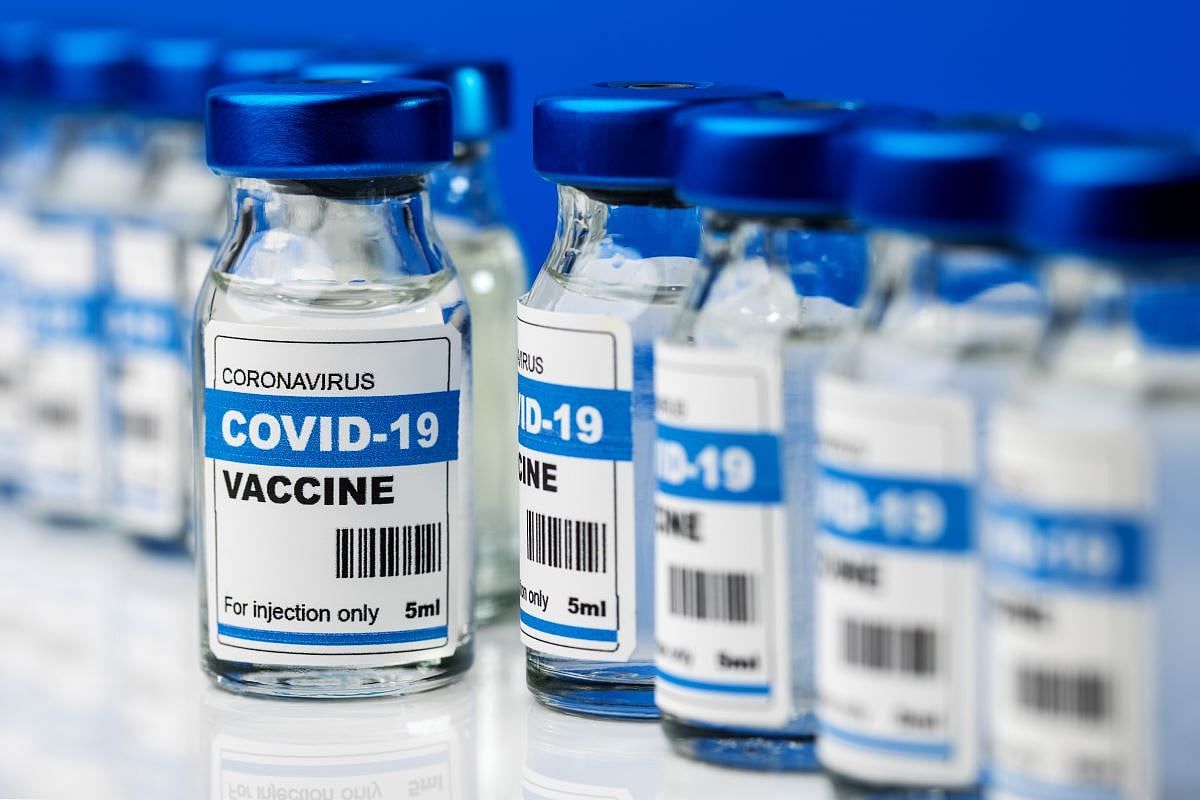 Updated COVID-19 Shot Beneficial for Those With Autoimmune Rheumatic Disease
 Common Patterns of b/tsDMARD Use Identified in Rheumatoid Arthritis
 Lung Ultrasound Predicts Progression of Interstitial Lung Abnormalities in RA
 Treatment Satisfaction Higher for Patients With RA Choosing Their Own Treatment
 Holding DMARDs at Time of COVID-19 Vaccine Not Warranted in Those With Inflammatory Arthritis



.jpeg)

