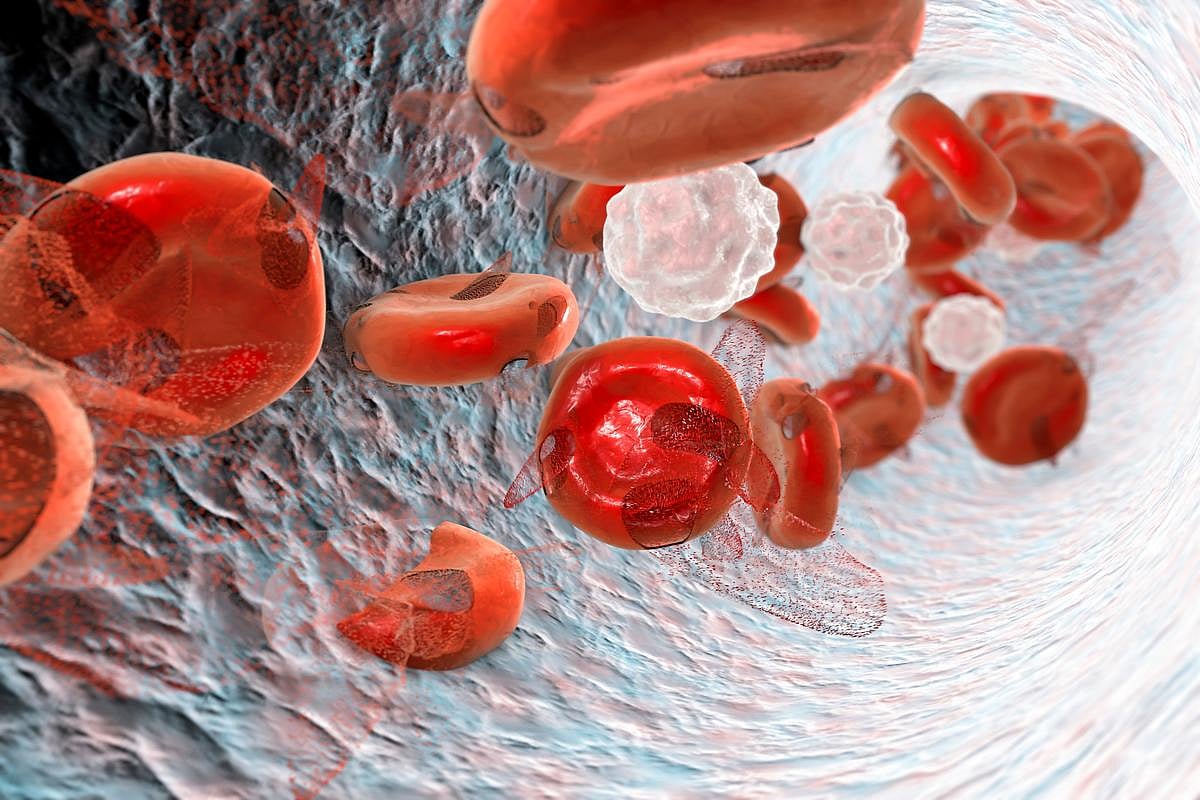
Risk greater in athletes younger than 55 years and among those participating in mixed sport versus endurance sport
TUESDAY, July 13, 2021 (HealthDay News) — Athletes have a significantly greater likelihood of developing atrial fibrillation versus nonathletes, according to a systematic review and meta-analysis published online July 12 in the British Journal of Sports Medicine.
William Newman, from Canterbury Christ Church University in the United Kingdom, and colleagues conducted a systematic literature review and meta-analysis to assess the incidence of atrial fibrillation among athletes versus nonathletes.
Based on 13 studies included in a meta-analysis, the risk for developing atrial fibrillation was significantly higher in athletes versus nonathletes (odds ratio, 2.46). There was a moderate correlation between mode of exercise and risk for atrial fibrillation (B = 0.1259), with mixed sport carrying a higher risk for atrial fibrillation than endurance sport (B = −0.5476). Compared with older athletes (55 years and older), athletes younger than 55 years of age were significantly more likely to develop atrial fibrillation (B = −0.02293).
“Athletes have a significantly greater likelihood of developing atrial fibrillation compared with nonathlete controls,” the authors write. “Younger aged athletes have a greater relative risk of atrial fibrillation compared with older athletes; however, exercise dose parameters, including training and competition history, as well as potential gender differences for the risk of atrial fibrillation [require] future research.”
 Cannabis Legalization Linked to More Heart-Related Hospitalizations
 Physical Activity Linked to Slower Cognitive, Motor Progression in Parkinson Disease
 Air Pollution Does Not Impair Benefits of Walking in Reducing COPD Exacerbation Rate
 Exercise Intervention Linked to Improved Attention, Memory in Breast Cancer
 ESMO: Combination Treatment Improves Survival in Muscle-Invasive Bladder Cancer
 Broad Genomic Sequencing Improves Survival in First-Line Setting in Advanced NSCLC
 1975 to 2017 Saw Increases in Survival for Children With Cancer
 Morphea Linked to Higher Risk for Cancer