


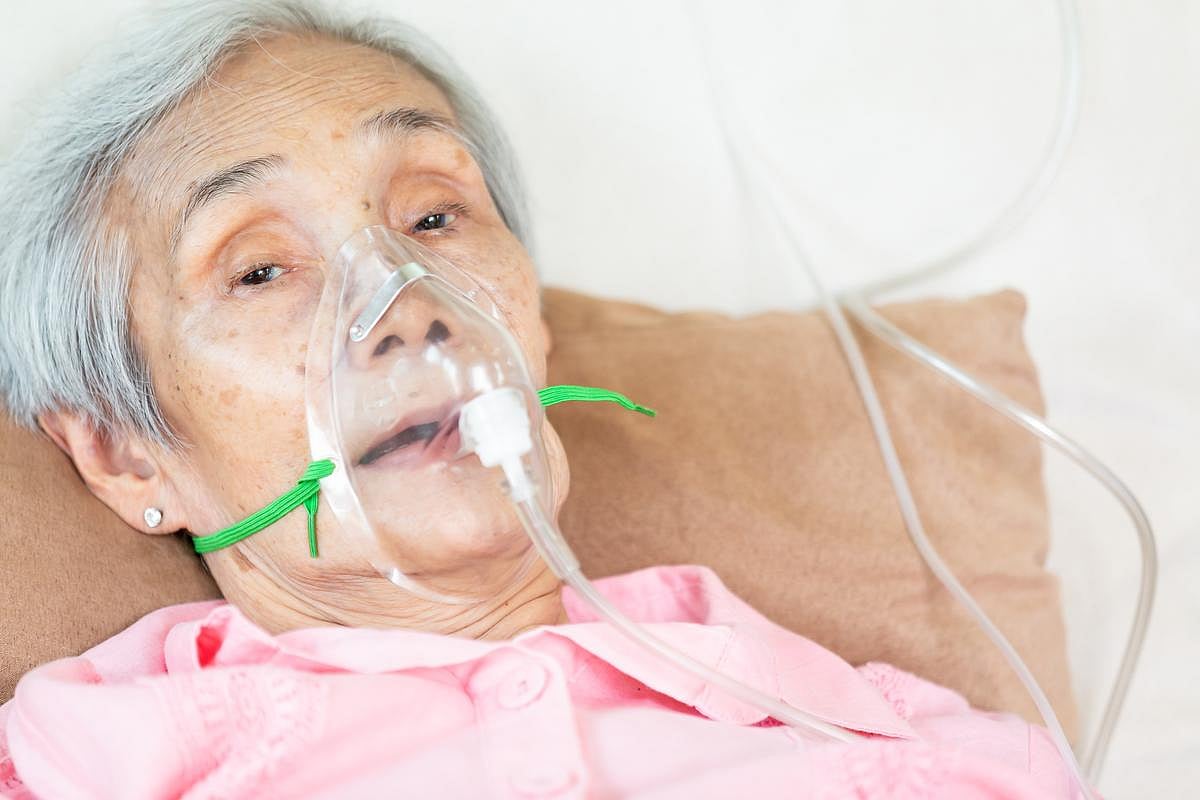
Findings seen in adults hospitalized with an acute illness or injury and receiving supplemental oxygen
THURSDAY, Aug. 6, 2026 (HealthDay News) — For adults hospitalized with an acute illness or injury and receiving supplemental oxygen, autonomous oxygen titration substantially increases the proportion of time spent in normoxemia and reduces time spent in hypoxemia, according to a study published online Aug. 3 in JAMA Internal Medicine.
David J. Douin, M.D., from the University of Colorado Anschutz School of Medicine in Aurora, and colleagues conducted a randomized clinical trial involving adults hospitalized for acute respiratory illness, trauma, burn, or acute care surgery who were receiving supplemental oxygen. During the first 72 hours after randomization, patients were randomly assigned to receive oxygen titration via either autonomous oxygen titration or usual care (manual oxygen titration by clinicians; 152 and 148 patients, respectively).
The researchers found that the mean proportion of time spent in normoxemia was greater in the autonomous oxygen titration group versus the usual care group (85 versus 63 percent), while the mean proportion of time spent in hypoxemia was lower in the autonomous oxygen titration group versus the usual care group (2.0 versus 3.6 percent). The mean proportion of time spent in hyperoxemia was 9.2 and 29.1 percent in the autonomous oxygen titration and usual care groups, respectively, and the mean proportion of time spent in borderline hypoxemia was 3.4 and 4.0 percent, respectively. Across prespecified subgroups, the results were consistent.
“This technology has the potential to fundamentally change how supplemental oxygen is delivered in both civilian and military medicine,” principal author Adit Ginde, M.D., M.P.H., also from the University of Colorado Anschutz School of Medicine, said in a statement.
Two authors disclosed ties to the biopharmaceutical industry.
 Implant, Patient Survival Do Not Differ for Robotic and Conventional Total Joint Replacement
  Withdrawal From Medetomidine Increasingly Seen in ICUs
  Physical Therapist-Supervised Exercise Improves Outcomes After ACL Reconstruction
  Early Complications Common in Older Kidney Transplant Recipients
  GLP-1 Receptor Agonists, SGLT-2is Slow Renal Function Decline in T2D With Albuminuria
 .jpeg) 1997 to 2022 Saw Increase in Pediatric Hospitalizations With AKI
1997 to 2022 Saw Increase in Pediatric Hospitalizations With AKI  Frailty Linked to Incident Cognitive Decline in Men With CKD
  PET/MRI Offers Diagnostic, Prognostic Value in Pediatric Epilepsy



.jpg)
