


Plan will include 20 separate actions to improve nursing home quality
TUESDAY, March 1, 2022 (HealthDay News) — Minimum staffing levels will be a main feature of a major overhaul of U.S. nursing homes that President Joe Biden is expected to announce in his State of the Union speech Tuesday night.
Staffing levels are considered a critical marker for nursing home quality, but the pandemic has left many facilities short of nurses, nursing assistants, and other workers who care for patients. In addition to staffing requirements, Biden’s plan will include 20 separate actions to improve nursing home quality. However, there will not be new sources of federal funding to pay for the changes.
Biden will also announce a $500 million (nearly 25 percent) increase in the nursing home inspection budget as part of the plan. “Despite the tens of billions of federal taxpayer dollars flowing to nursing homes each year, too many continue to provide poor, substandard care that leads to avoidable resident harm,” the White House said in announcing its plan.
But nursing homes need more resources, not finger-pointing, the head of a major industry group said in a statement. “Additional oversight without corresponding assistance will not improve resident care,” said Mark Parkinson, president of the American Health Care Association/National Center for Assisted Living. “To make real improvements, we need policymakers to prioritize investing in this chronically underfunded health care sector and support providers’ improvement on the metrics that matter for residents.”
 Reduction Seen in Services Following Launch of Prior Authorization Pilot Program
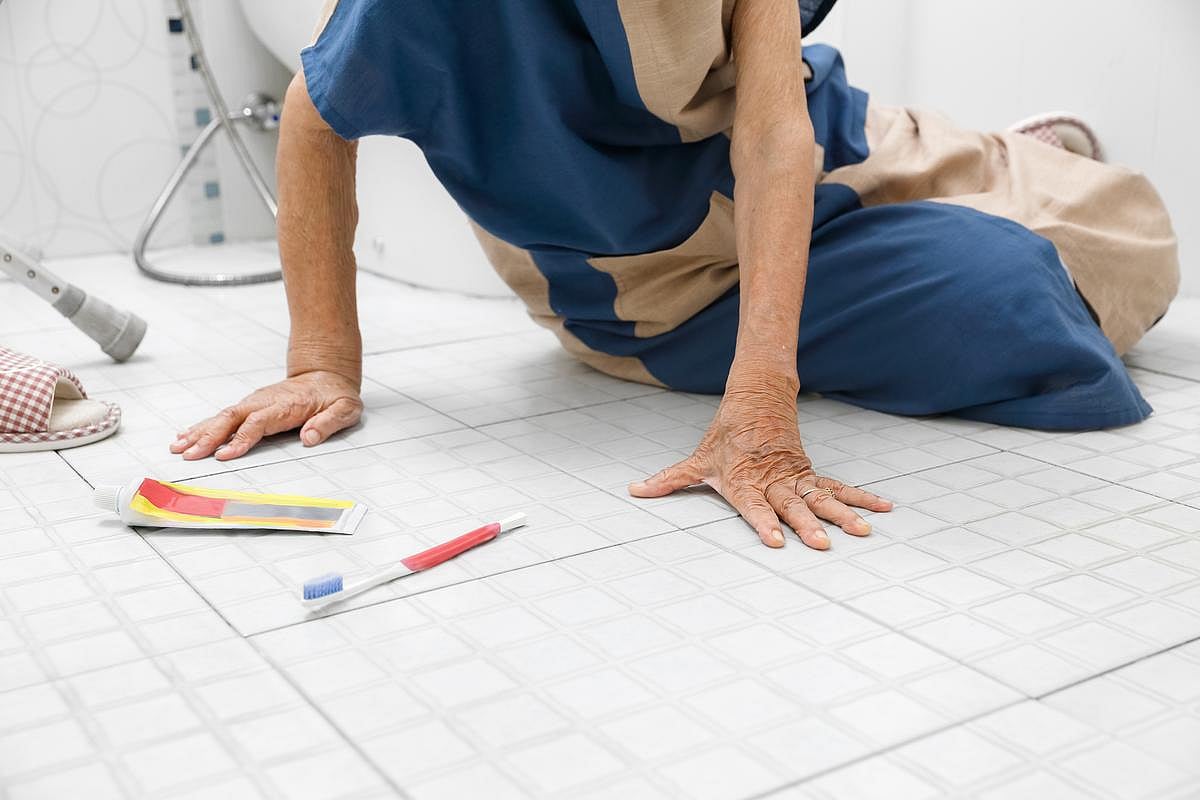 Multicomponent Interventions Offer Little Impact on Fall Risk
 2021 to 2026 Saw Increase in State Funding for Suicide Prevention
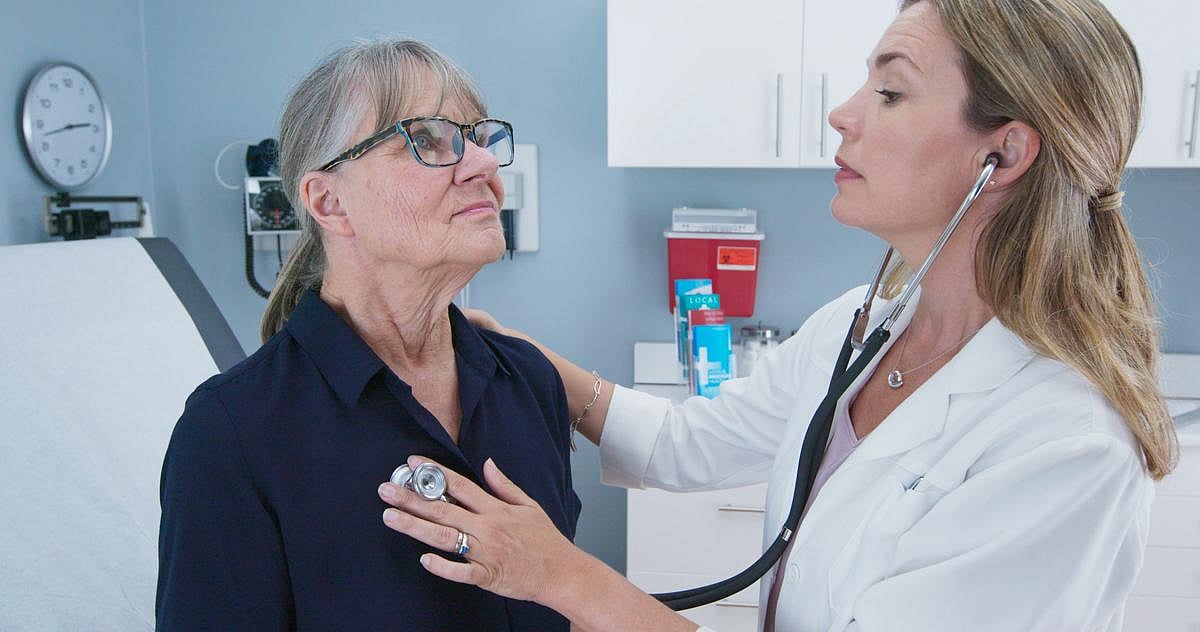 Emergency Presentation of Cancer Common in Older Adults
 Risk for Serious Head, Neck Injuries Higher for E-Scooter Riders Than Cyclists
 Seniors With Hypertension Benefit From Pausing ACE Inhibitors, ARBs on Morning of Surgery
 Morphea Linked to Higher Risk for Cancer
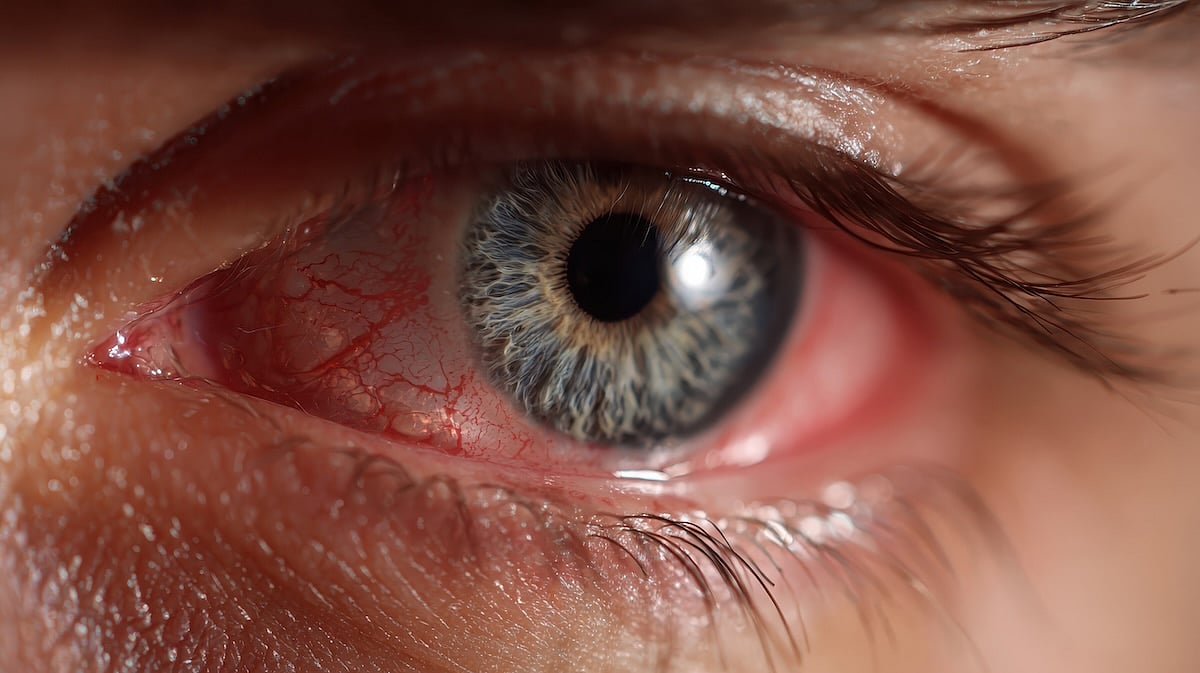 Paintball-Related Eye Injuries Declined 84.5 Percent From 2005 to 2025
.jpeg)




