


Blacks with POAG have higher risk for early visual field loss archetypes, even higher risk for advanced visual field loss archetypes
TUESDAY, July 26, 2022 (HealthDay News) — Compared with non-Hispanic Whites, Blacks have higher risks for primary open-angle glaucoma (POAG) with early and advanced visual field (VF) loss, according to a study published in the July issue of Translational Vision Science and Technology.
Jae H. Kang, Sc.D., from Brigham and Women’s Hospital/Harvard Medical School in Boston, and colleagues examined racial/ethnic differences in POAG defined by machine learning-derived regional VF loss patterns among 209,036 participants from the Nurses’ Health Study (NHS), NHS2, and Health Professionals Follow-up Study aged 40 years and older and free from glaucoma who were followed biennially. A total of 1,946 incident POAG cases with reproducible VF loss were confirmed. For each of 2,564 POAG eyes, total deviation information from the earliest reliable glaucomatous VF was extracted and machine learning analyses were used to identify optimal solutions (archetypes) for regional VF loss patterns. Based on the highest weighing coefficient, each POAG eye was assigned a VF archetype.
The researchers identified 14 archetypes: Four represented advanced-loss patterns, nine represented early loss, and one showed no VF loss. Black participants had a higher risk for early VF-loss archetypes compared with non-Hispanic Whites (hazard ratio, 1.98) and an even higher risk for advanced-loss archetypes (hazard ratio, 6.17); there were no differences seen for Asians or Hispanic Whites. A significantly higher risk for POAG with paracentral defects and advanced superior loss was seen for Hispanic-White participants, while significantly higher risks for all advanced-loss archetypes and three early-loss patterns, including paracentral defects, were seen for Black participants.
“In POAG, risks of VF loss regional patterns derived from machine learning algorithms showed racial differences,” the authors write.
Two authors disclosed financial ties to the biopharmaceutical industry.
 Burden of Stroke Projected to Increase to >6 Percent by 2050
 Removing Race From Dialysis Quality Measures Changes Mortality Performance
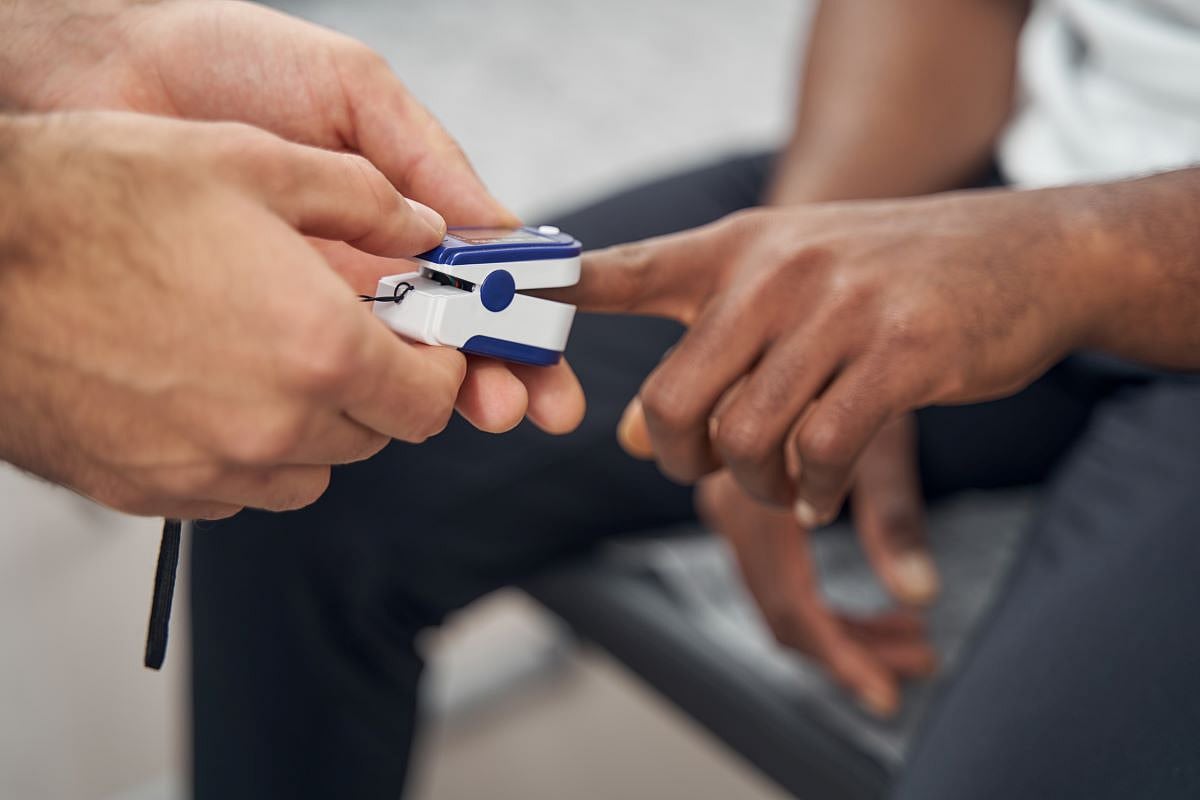 Pulse Oximetry-Based Scoring May Miss Sleep Apnea Events in Black Patients
 Few Meet Major Clinical Response Criteria After Treatment Escalation for Lupus
 Postoperative Complications Elevated for Patients With Systemic Lupus Erythematosus
 1 in 3 With Lupus Take Supplements, Medications With Potential for Interactions
 Low Hydroxychloroquine Intake, Blood Levels Linked to ASCVD Risk in Lupus
 Anifrolumab Tied to Lower Hospitalization, Infection Risk in Lupus



.jpeg)

