



World Trade Center responders with exposure-related chronic conditions also more likely to experience long COVID
FRIDAY, June 17, 2022 (HealthDay News) — World Trade Center (WTC) responders who suffer from exposure-related chronic conditions also face an increased risk for worse COVID-19 outcomes, including long COVID, according to a study published online June 7 in the International Journal of Environmental Research and Public Health.
Elizabeth Lhuillier, M.D., from Stony Brook University in New York, and colleagues assessed whether conditions resulting from WTC exposures are associated with increased COVID-19 disease severity. The analysis included 1,280 WTC responders with health outcomes data collected prior to and following COVID-19 infection.
The researchers found that COVID-19 severity was associated with age, Black race, and obstructive airway disease (OAD), as well as with worse self-reported depressive symptoms. The presence of postacute COVID-19 sequelae was associated with COVID-19 severity, upper respiratory disease, gastroesophageal reflux disease, OAD, heart disease, and worse depressive symptoms.
“Our findings point toward the need to monitor these chronically ill patients who contracted the infection even more closely,” a coauthor said in a statement. “They all suffer from various chronic conditions brought on by exposures at the WTC site. This study alerts us to even more problems they may face in the future.”
 Occupational Exposure to Petroleum Linked to Increased Risk for MS
 Recommendations Provided for Managing Shift Work Disorder
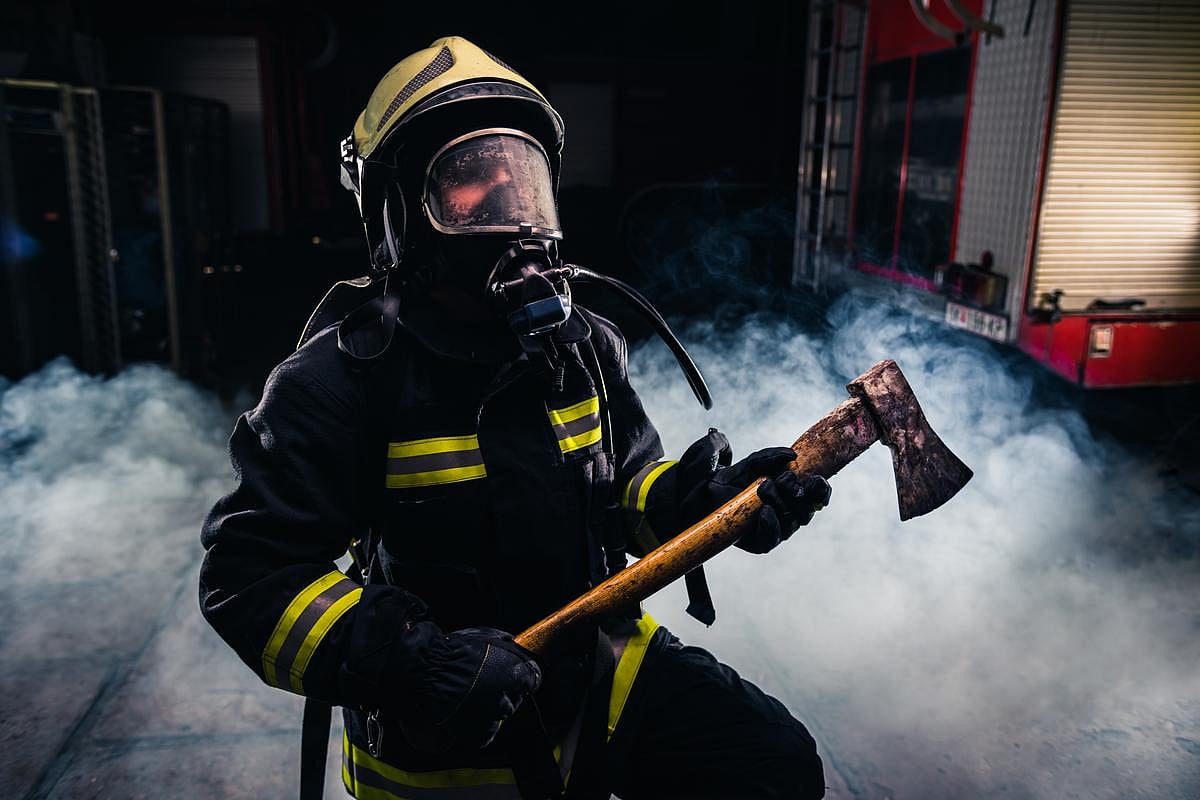 On-Duty Cardiac Deaths Elevated Among Firefighters
 Past Blast Exposure Tied to Long-Term Chronic Medical Diagnoses in Veterans
 Risk for Serious Head, Neck Injuries Higher for E-Scooter Riders Than Cyclists
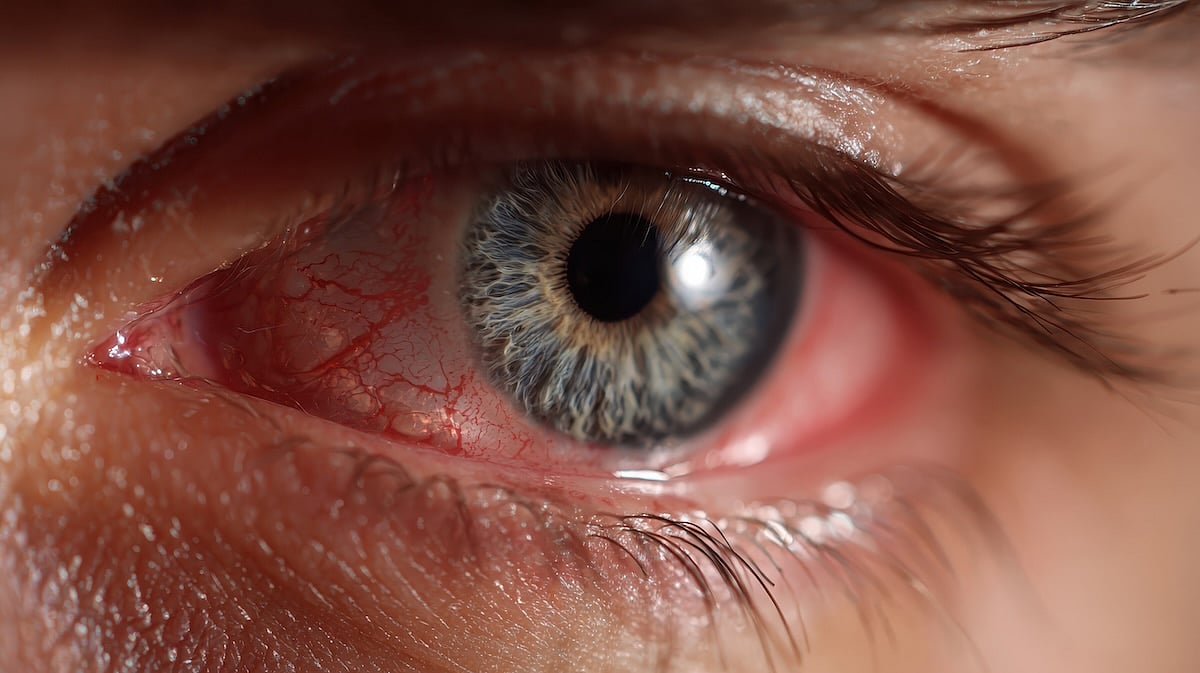 Paintball-Related Eye Injuries Declined 84.5 Percent From 2005 to 2025
 Maternal Night-Shift Work Tied to Later Neurodevelopmental Issues in Offspring
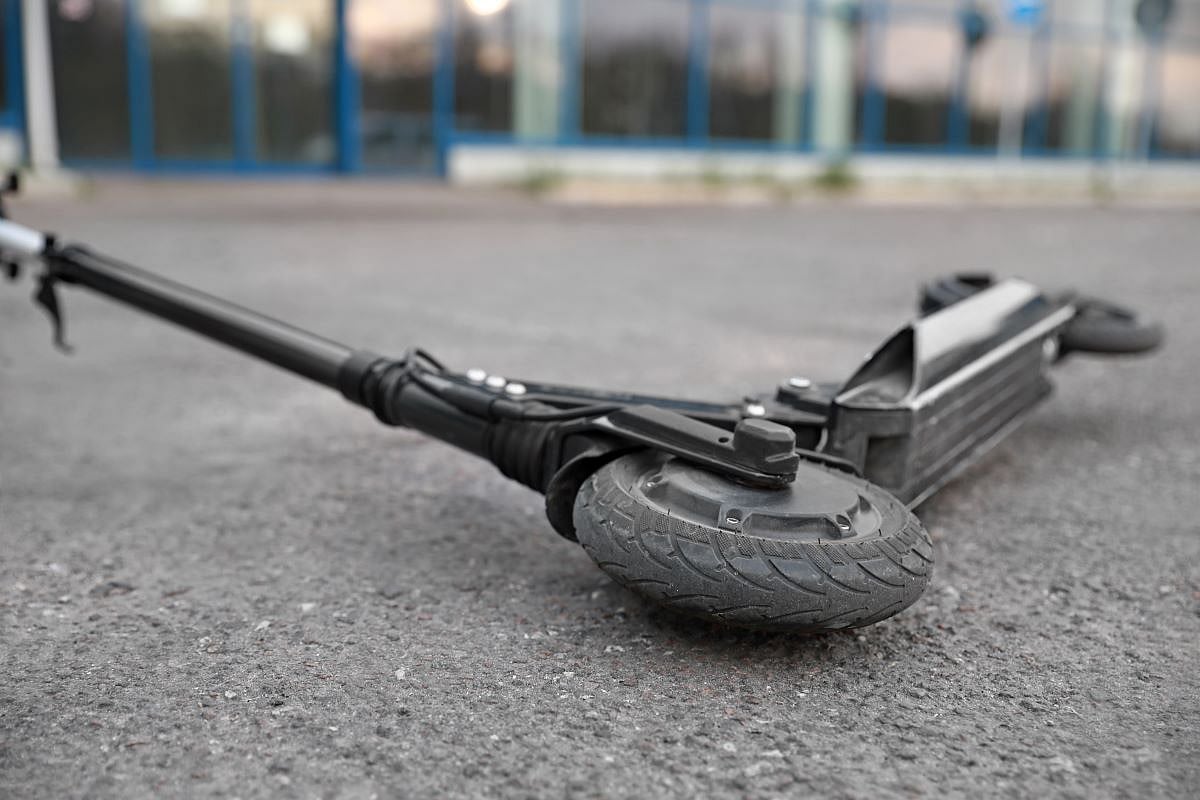 Rates of Pediatric E-Bicycle, E-Scooter Injuries Increasing




.jpeg)
