


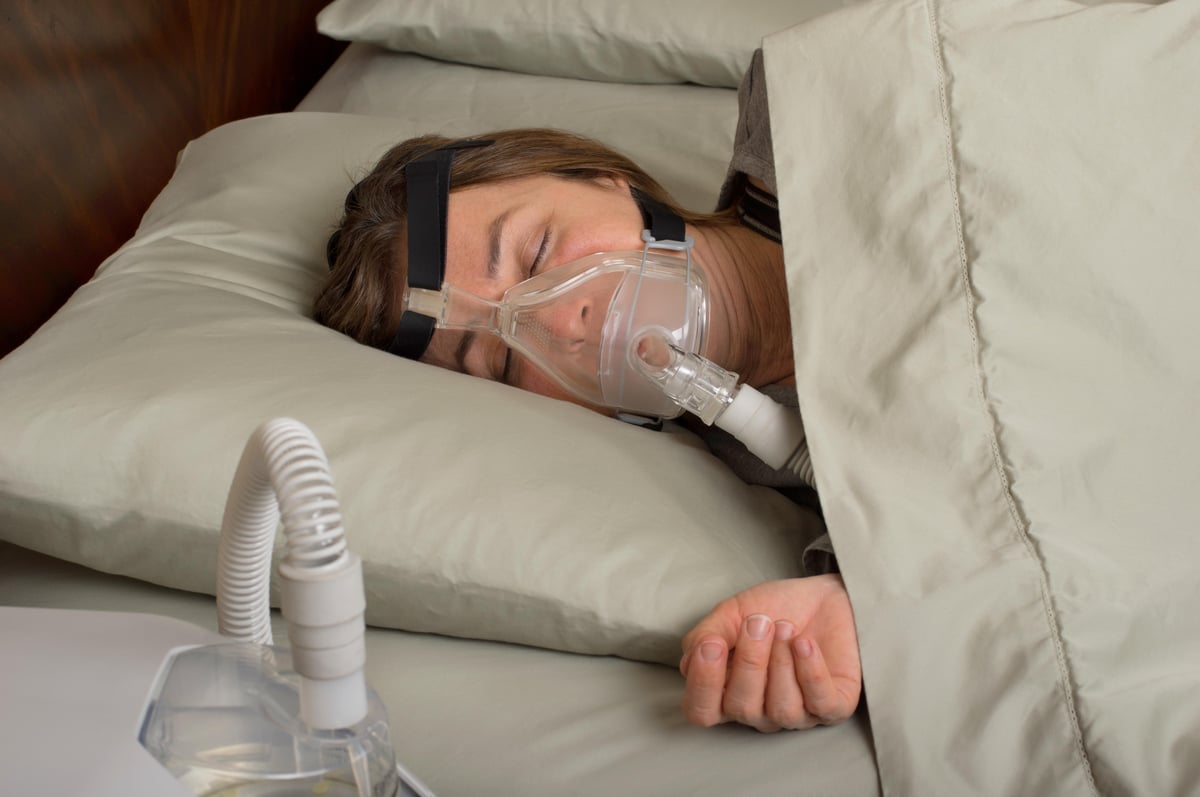
Termination of CPAP therapy tied to higher first-year all-cause death and heart failure
FRIDAY, June 17, 2022 (HealthDay News) — Ongoing use of continuous positive airway pressure (CPAP) treatment is associated with lower all-cause mortality in patients with obstructive sleep apnea (OSA), according to a study published in the June issue of CHEST.
Jean-Louis Pépin, M.D., from University Grenoble Alpes in France, and colleagues assessed the effects of CPAP therapy termination in the first year on all-cause mortality in patients with OSA. The analysis included data from 88,007 new CPAP users identified through the French national health insurance reimbursement system.
The researchers found that continuation of CPAP therapy was associated with a significantly lower risk for all-cause death compared with CPAP therapy termination (hazard ratio, 0.61). Continuation was also associated with a lower incidence of heart failure compared with termination of CPAP therapy (hazard ratio, 0.77).
“This study showed that continued use of CPAP during the first year after therapy initiation is associated with a significant reduction in mortality in a large national cohort of patients with OSA compared with CPAP therapy termination,” the authors write. “This finding adds to a growing body of evidence for the beneficial effects of CPAP use on survival. Additional research is needed to clarify the impact of CPAP on specific causes of death and to determine the relationship between hours of CPAP use and mortality benefit.”
Several authors disclosed financial ties to the pharmaceutical industry and to ResMed, which helped fund the study.
 Cannabis Legalization Linked to More Heart-Related Hospitalizations
 Elevated C-Reactive Protein Linked to Increased Risk for Incident Heart Failure, All-Cause Mortality
 UACR, UPCR Provide Indistinguishable Prognostic Information in CKD
 Use of SAMA, SABA Linked to Cardiovascular Events, Mortality in Asthma, COPD
 Air Pollution Does Not Impair Benefits of Walking in Reducing COPD Exacerbation Rate
 Lower Cognitive Functioning During 60s Linked to Subsequent Stroke Risk
 Exercise-Based Cardiac Rehab Beneficial for Coronary Heart Disease
 Incidence of Stroke Increasing Among Young Adults




