


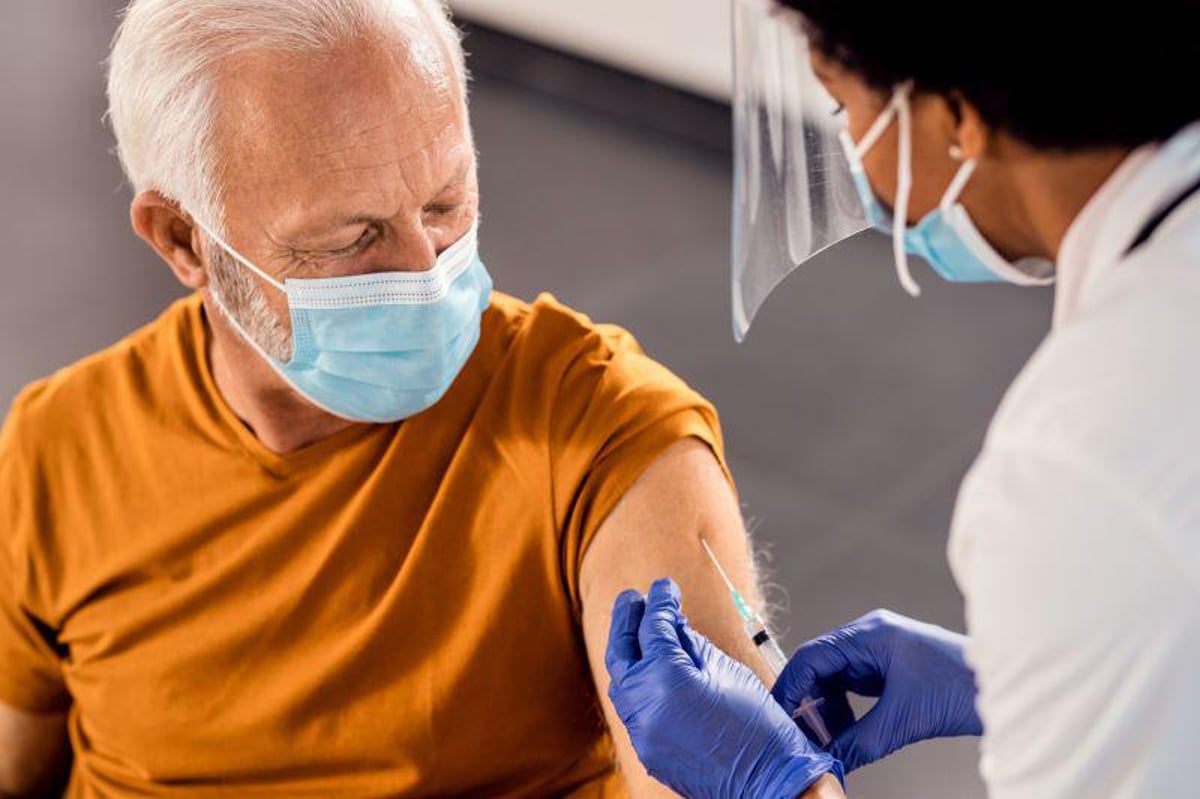
Among nonresponders to initial COVID-19 vaccination, seroconversion occurred in 56 percent following booster dose
FRIDAY, July 29, 2022 (HealthDay News) — For patients with hematologic malignancy without seroconversion after initial COVID-19 vaccination, seroconversion often occurs after booster vaccination, according to a study published online July 11 in Cancer.
Thomas A. Ollila, M.D., from the Alpert Medical School of Brown University in Providence, Rhode Island, and colleagues analyzed serological responses to initial and booster COVID-19 vaccination in 378 patients with hematologic malignancy and examined subsequent COVID-19-related outcomes.
The researchers found that 48 percent of the patients had seroconversion after initial vaccination; the lowest rates of seroconversion were seen for patients with active malignancy or those who were recently treated with a B-cell-depleting monoclonal antibody. Seroconversion occurred after a booster dose in 56 percent of the 85 initial nonresponders to vaccination. After the booster, the seroconversion rate was similar for patients on and off active therapy (53 and 58 percent, respectively). Overall, 8.8 percent of the patients developed COVID-19 infection; three COVID-19-related deaths occurred (0.8 percent). There was no significant association between postvaccination seroconversion and the incidence of COVID-19 infection; however, none of the patients with seroconversion died from COVID-19. None of the 25 patients who received tixagevimab/cilgavimab was diagnosed with COVID-19 infection.
“When we looked at outcomes, we found that deaths from COVID-19 in the patient population we reviewed only occurred in those with undetectable antibodies, and nobody who received prophylactic antibody therapy was diagnosed with COVID-19,” Ollila said in a statement. “This suggests to us the importance of checking antibody levels in these patients and arranging prophylactic antibody therapy.”
Several authors disclosed financial ties to the biopharmaceutical industry.
 Obesity Linked to Early-Onset Cancer Risk in Young Adults
.jpg) Most Specialty Oral Anticancer Meds for Blood Cancers Are Initially Rejected by Insurers
 Personalized Support Boosts Families" Genetic Testing for Hereditary Cancers
.jpg) Cancer Survivors Have Lower Levels of Physical Activity
 Early Survivorship Care Linked to Improved Outcomes in Head, Neck Cancer
 Exercise Intervention Linked to Improved Attention, Memory in Breast Cancer
 Childhood Cancer Survivors Often Have Mental Distress in Adulthood
 Pharmacist-Led Med Review Improves Medication Quality in Older Patients With Cancer





