


Another small study suggests cough poses higher risk for aerosol emission from the respiratory tract than CPAP, HFNO
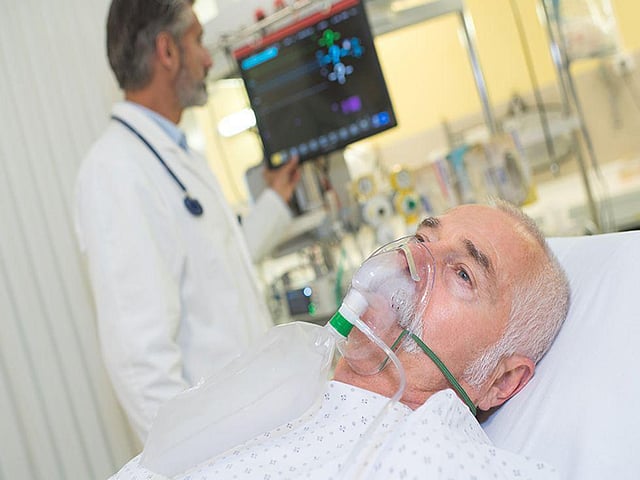
WEDNESDAY, Nov. 10, 2021 (HealthDay News) — Use of continuous positive airway pressure (CPAP) and high-flow nasal oxygen (HFNO) to treat COVID-19 is not associated with increased air or surface viral contamination; and aerosol emission from the respiratory tract does not seem to be increased with CPAP or HFNO, according to two studies published online Nov. 4 in Thorax.
Rebecca L. Winslow, from the University Hospitals Birmingham NHS Foundation Trust in the United Kingdom, and colleagues measured air and surface environmental contamination with severe acute respiratory syndrome coronavirus 2 (SARS-CoV-2) when CPAP and HFNO procedures were used. Thirty hospitalized patients with COVID-19 requiring supplemental oxygen were enrolled prospectively and received supplemental oxygen, CPAP, or HFNO (10 each). The researchers found that 21 of the participants tested positive for SARS-CoV-2 RNA in the nasopharynx. Only 4 and 7 percent of all air and surface samples tested positive for viral RNA, respectively. There was no association for CPAP/HFNO use or coughing with significantly more environmental contamination than supplemental oxygen use.
Fergus W. Hamilton, M.B., Ch.B., from North Bristol NHS Trust in the United Kingdom, and colleagues characterized aerosol emission from HFNO and CPAP compared with breathing, speaking, and coughing among healthy volunteers. The researchers found that CPAP produced less aerosol than breathing, speaking, and coughing in 25 healthy volunteers. Of the recorded activities, coughing was associated with the highest aerosol emissions. HFNO was associated with aerosol emission from the machine. Particles generated were small (<1 µm), passed from the machine to the detector through the patient, and were unlikely to harbor viral particles. Compared with volunteers, more aerosol was generated in cough from eight COVID-19 patients.
“This work supports a re-evaluation of focusing solely on aerosol-generating procedures as potential risky events, and a shift towards focusing on the patient,” Hamilton and colleagues write.
 Doxycycline Use in Early Pregnancy Linked to Increased Risk for Pregnancy Loss
 Lung Ultrasound Predicts Progression of Interstitial Lung Abnormalities in RA
 Longer Reproductive Lifespan Tied to Lower Bronchiectasis Risk in Postmenopausal Women
 Adenotonsillectomy Tied to Increase in Respiratory Tract Infections in Children
.jpeg) Travel Distance Linked to Complications After Pediatric Surgery
 Electronic Health Record Algorithm Can Identify Drug-Resistant Epilepsy
.jpg) Video Games Help Reduce Children"s Preoperative Anxiety
 Preoperative Advanced Therapy May Improve Outcomes for Colorectal Surgery in Crohn Disease




