


Numerical reduction seen in the risk for prethreshold ROP progressing to treatment-requiring type 1 ROP
WEDNESDAY, Aug. 12, 2026 (HealthDay News) — Administration of dexamethasone eye drops reduces the proportion of preterm infants with prethreshold retinopathy of prematurity (ROP) progressing to type 1 ROP requiring treatment, according to a study published online Aug. 3 in JAMA Pediatrics.
Ann Hellström, M.D., Ph.D., from the University of Gothenburg in Sweden, and colleagues examined whether dexamethasone eye drops reduce the proportion of preterm infants with prethreshold ROP progressing to treatment-requiring type 1 ROP in a double-masked, randomized clinical trial. One hundred infants born before 30 weeks of gestational age with severe ROP were included and randomly assigned to receive dexamethasone eye drops (1 mg/mL) or placebo (saline) for up to 12 weeks (50 in each group).
The researchers found that type 1 ROP occurred in 20.0 and 38.0 percent of infants in the dexamethasone and placebo groups, respectively, in the intention-to-treat population (adjusted odds ratio, 0.44; 95 percent confidence interval, 0.17 to 1.12; P = 0.08), corresponding to a 47 percent relative risk reduction. In the per-protocol population, type 1 ROP occurred in 18.8 and 38.8 percent of patients in the dexamethasone and placebo groups, respectively (adjusted odds ratio, 0.40; 95 percent confidence interval, 0.15 to 1.05). There were no clinically significant differences in adverse events observed between the groups.
“The results are very promising because the treatment is simple, inexpensive and noninvasive,” Hellström said in a statement. “In a significant proportion of children, we were able to reduce the need for laser and ocular injections in very fragile premature babies.”
One author disclosed ties to ADDI Medical AB.
 Ambient Temperature Linked to Intraocular Pressure in Glaucoma
  Maternal Vitamin D Status Linked to Preterm Delivery
 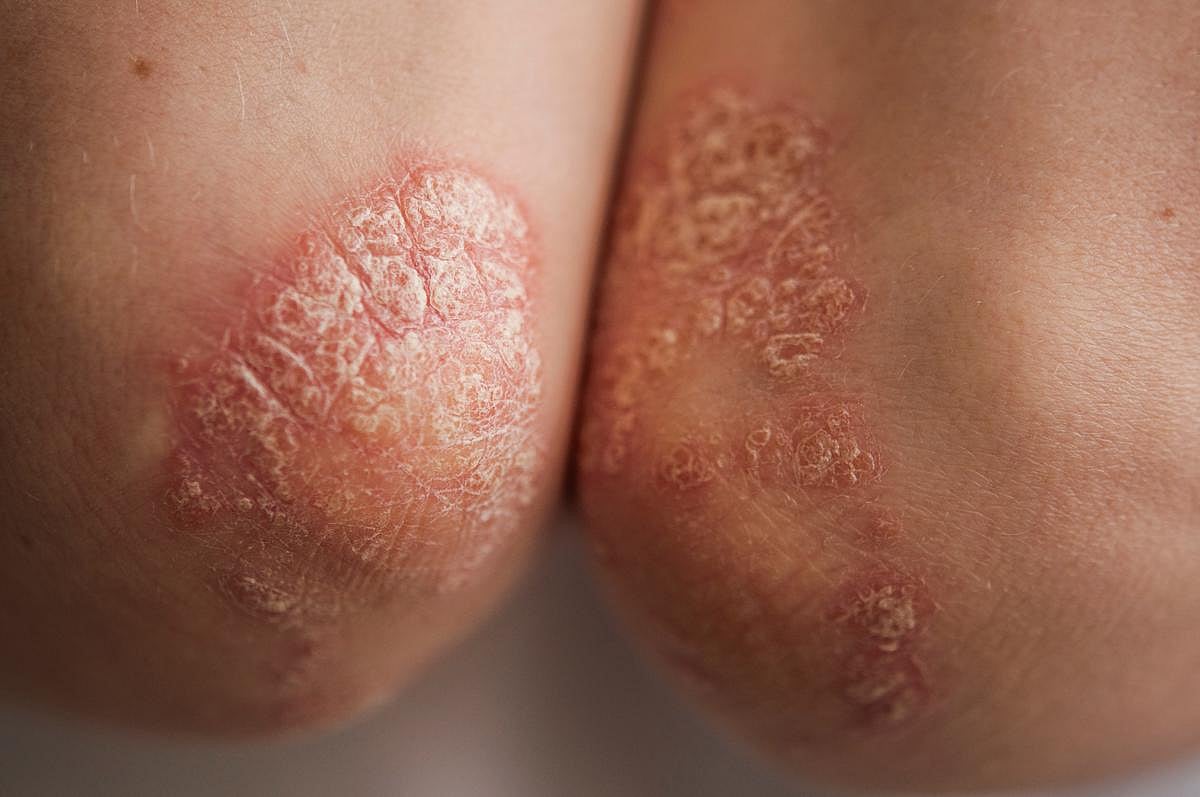 Mortality, Comorbidity Risk Increased With Generalized Pustular Psoriasis
 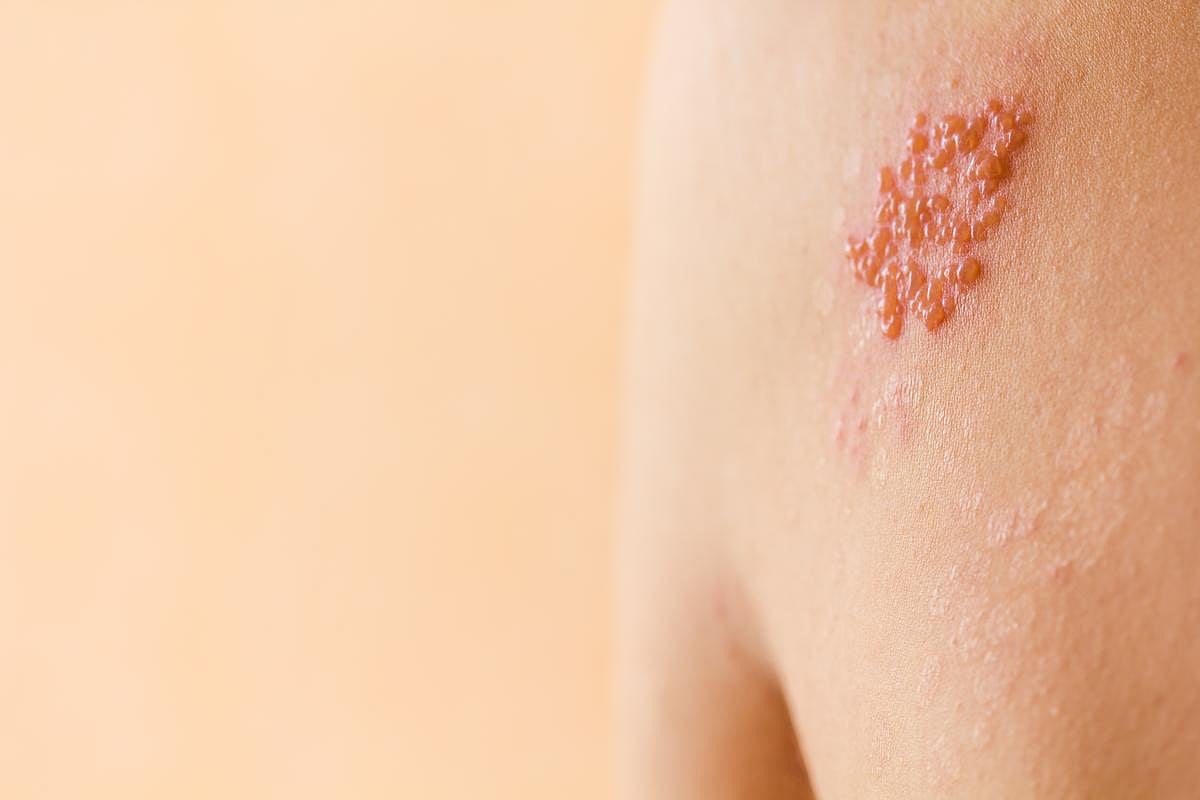 Risk for Herpes Zoster Elevated for Individuals With Atopic Dermatitis
  Lower Dietary Diversity in First Year Linked to Atopic Dermatitis
  Distinct Skin Microbiome Features Emerge Before Atopic Disease Onset in Infants
  Early Respiratory Infections Linked to Atopic Dermatitis Diagnosis
  Review Shows Antihistamines Offer No Meaningful Benefit in Atopic Dermatitis
 .jpg)




