


Associations strongest for flavones, flavanones, anthocyanins; dose-response curve steepest for flavones, then anthocyanins
FRIDAY, July 30, 2021 (HealthDay News) — Higher dietary intake of flavonoids is associated with lower likelihood of subjective cognitive decline (SCD), according to a study published online July 28 in Neurology.
Tian-Shin Yeh, M.D., Ph.D., from the Harvard T. H. Chan School of Public Health in Boston, and colleagues followed 49,493 women from the Nurses’ Health Study and 27,842 men from the Health Professionals Follow-up Study to examine the associations between dietary flavonoids and subsequent SCD.
The researchers found that after adjustment for age, total energy intake, major nondietary factors, and specific dietary factors, higher intake of total flavonoids was associated with lower odds of SCD. The pooled multivariable-adjusted odds ratio of 3-unit increments in SCD was 0.81 comparing the highest with the lowest quintiles of total flavonoid intake. The strongest associations were seen for flavones, flavanones, and anthocyanins in pooled results (odds ratios, 0.62, 0.64, and 0.76, respectively). The steepest dose-response curve was seen for flavones followed by anthocyanins. Significant associations with lower odds of SCD were seen for many flavonoid-rich foods, including strawberries, oranges, grapefruits, citrus fruits, apples/pears, celery, peppers, and bananas.
“There is mounting evidence suggesting flavonoids are powerhouses when it comes to preventing your thinking skills from declining as you get older,” a author said in a statement. “Our results are exciting because they show that making simple changes to your diet could help prevent cognitive decline.”
Abstract/Full Text (subscription or payment may be required)
 Recommendations Issued for Use of Incretin-Based Meds in Pregnancy
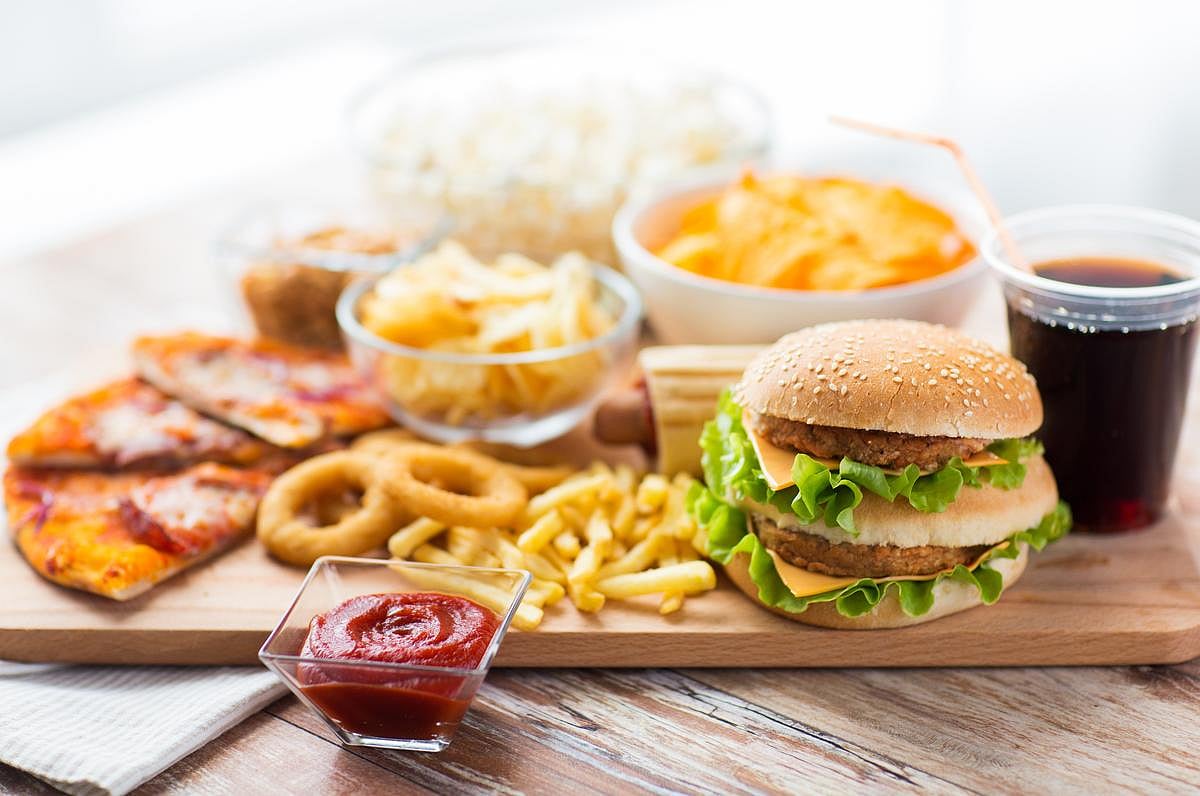 Eating More Ultraprocessed Foods Heightens Risk for Chronic Diseases
 Nutritional Deficiencies Seen in Youth Taking GLP-1 Receptor Agonists
 2009 to 2023 Saw Surge in Probiotic Supplement Use
 1 in 3 With Lupus Take Supplements, Medications With Potential for Interactions
 High-Dose Omega-3 Linked to A-Fib Risk in Patients With High CVD Risk
 Docosahexaenoic Acid Supplement Does Not Improve Cognitive Performance
 Sugar-Sweetened Beverage, Fruit Juice Intake Linked to Hypertension Risk




.jpg)
