


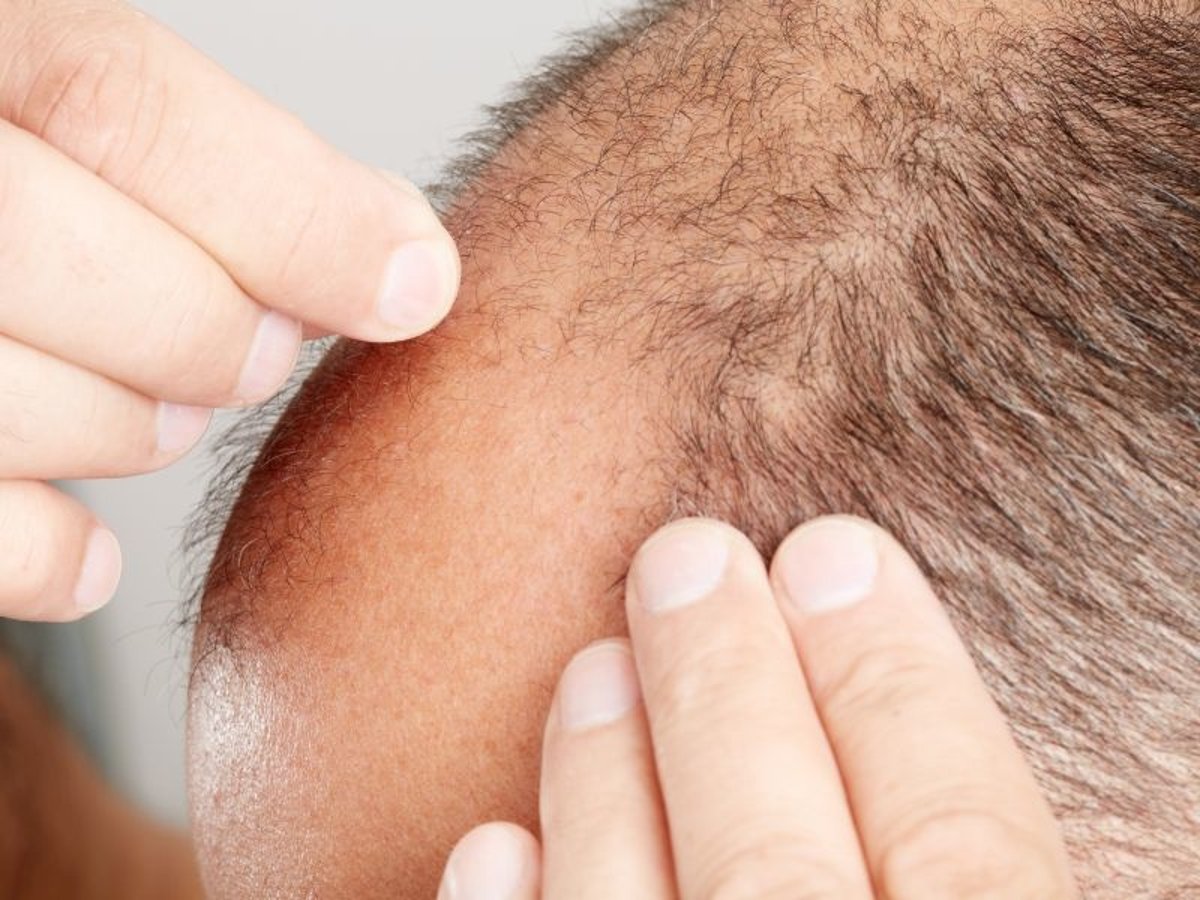
Younger patients and those with alopecia have significant disproportionality signals for increased suicidality
THURSDAY, Nov. 19, 2020 (HealthDay News) — Among people taking finasteride, there is a disproportionality signal for suicidality, according to a study published online Nov. 11 in JAMA Dermatology.
David-Dan Nguyen, M.P.H., from Harvard Medical School in Boston, and colleagues examined the association of suicidality and psychological adverse events with finasteride use. The pharmacovigilance case-noncase study used a disproportionality analysis to identify signals of adverse reactions reported with finasteride in the World Health Organization global database of individual case safety reports (VigiBase). The reporting odds ratio (ROR) was used to examine the strength of the association.
The researchers identified 356 reports of suicidality and 2,926 reports of psychological adverse events in finasteride users in VigiBase. There was a significant disproportionality signal for suicidality and psychological adverse events in finasteride users (RORs, 1.63 and 4.33, respectively). Younger patients and those with alopecia had significant disproportionality signals for increased suicidality in sensitivity analyses (RORs, 3.47 and 2.06, respectively); in older patients with benign prostatic hyperplasia, these signals were not detected. Reports of these adverse events increased significantly after 2012 in sensitivity analyses (ROR, 2.13).
“Our findings suggest that risk of suicidality and psychological adverse events should be taken into account when prescribing finasteride to younger patients with male-pattern baldness who may be more vulnerable to these effects,” a coauthor said in a statement. “It also suggests that further study is needed to address key gaps in our understanding of why suicidality and adverse events are associated with this drug.”
One author disclosed financial ties to the pharmaceutical industry.
Abstract/Full Text (subscription or payment may be required)
 Maternal Night-Shift Work Tied to Later Neurodevelopmental Issues in Offspring
 Treatment Satisfaction Higher for Patients With RA Choosing Their Own Treatment
 Drug Interactions Reducing Contraceptive Effectiveness Common in Epilepsy
.jpg) Most Specialty Oral Anticancer Meds for Blood Cancers Are Initially Rejected by Insurers
 Personalized Support Boosts Families" Genetic Testing for Hereditary Cancers
 1 in 3 With Lupus Take Supplements, Medications With Potential for Interactions
 Holding DMARDs at Time of COVID-19 Vaccine Not Warranted in Those With Inflammatory Arthritis
.jpg) Considerable Gaps Reported in Care for Youth With Opioid Use Disorder





