


Median age of natural menopause earlier for women residing in neighborhoods with very high versus very low social vulnerability
THURSDAY, May 29, 2025 (HealthDay News) — Women residing in U.S. neighborhoods with high social vulnerability have a higher risk for earlier natural menopause, according to a study published online May 22 in JAMA Network Open.
Zhi Lin, from Harvard Medical School in Boston, and colleagues examined the association of the Social Vulnerability Index (SVI) with age of natural menopause onset and menopausal symptom severity in a cohort study using data from a prospective cohort of women. Participant inclusion required geocoded residential addresses at enrollment (1999 to 2002), eight-year follow-up (2006 to 2010), and 13-year follow-up (2012 to 2016).
Of the 691 women included in the study, 12.6, 6.0, and 6.2 percent resided in neighborhoods with a very high SVI at enrollment, at eight-year follow-up, and at 13-year follow-up, respectively. The median age of natural menopause was earlier for women residing in neighborhoods with very high versus very low SVI at enrollment (52.0 versus 53.0 years), eight-year follow-up (51.0 versus 53.0 years), and 13-year follow-up (51.0 versus 53.0 years). The risk for earlier natural menopause was higher in association with residence in neighborhoods with a very high versus very low SVI at enrollment, eight-year follow-up, and 13-year follow-up. There was no association for SVI with menopausal symptoms.
“The study highlighted the need to address disparate contexts within neighborhoods to achieve more equitable reproductive health outcomes in women,” the authors write.
One author disclosed ties to the pharmaceutical industry.
 Few Meet Major Clinical Response Criteria After Treatment Escalation for Lupus
 Women With Autism May Experience More Severe Menopause
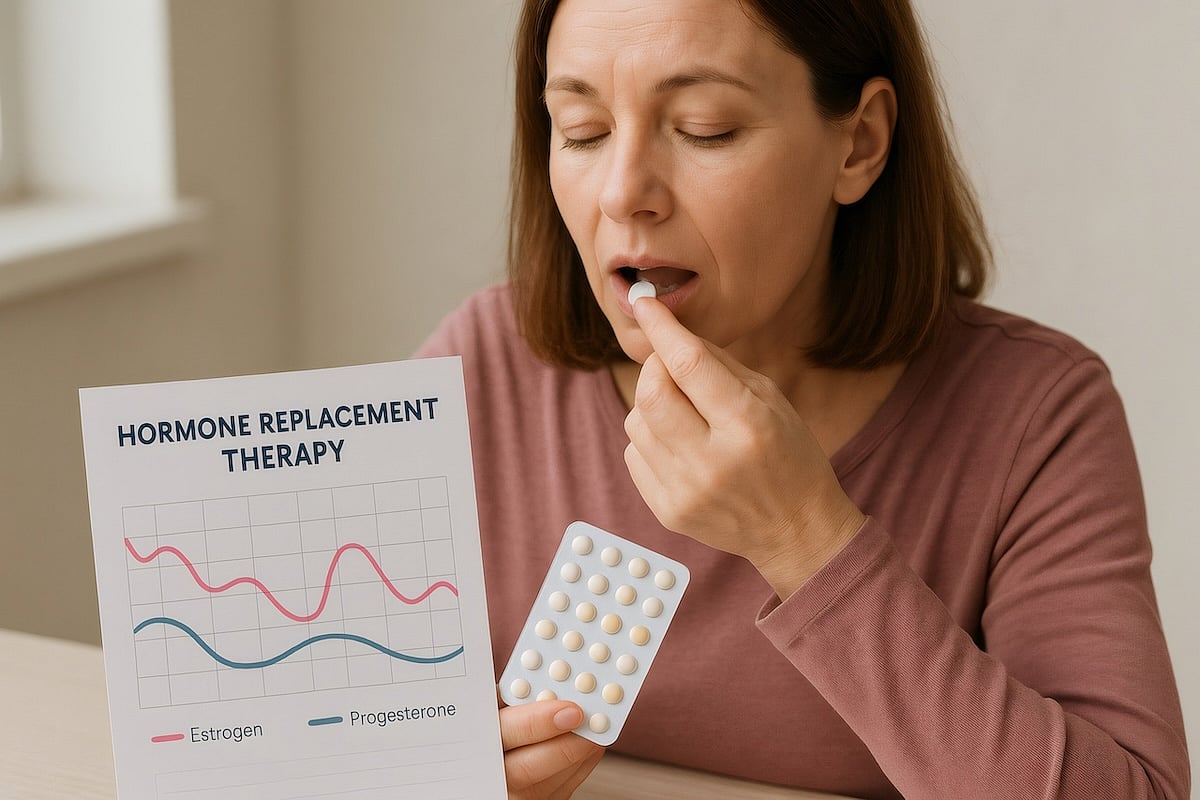 Oral Menopausal Hormone Therapy Linked to Venous Thromboembolic Risk
 Pre-Prostate Biopsy MRI Use Increased From 2017 to 2026
 Guidelines Updated for Short-Course Radiation for Localized Prostate Cancer
 Guidelines Updated for Prostate Cancer Screening
 AI Better Assesses Heart Function From MRI Than Clinicians
 Urine Cell-Free RNA Shows Promise as Biomarker for Bladder Cancer





