Complications tied to longer dialysis exposure and donor hypertension
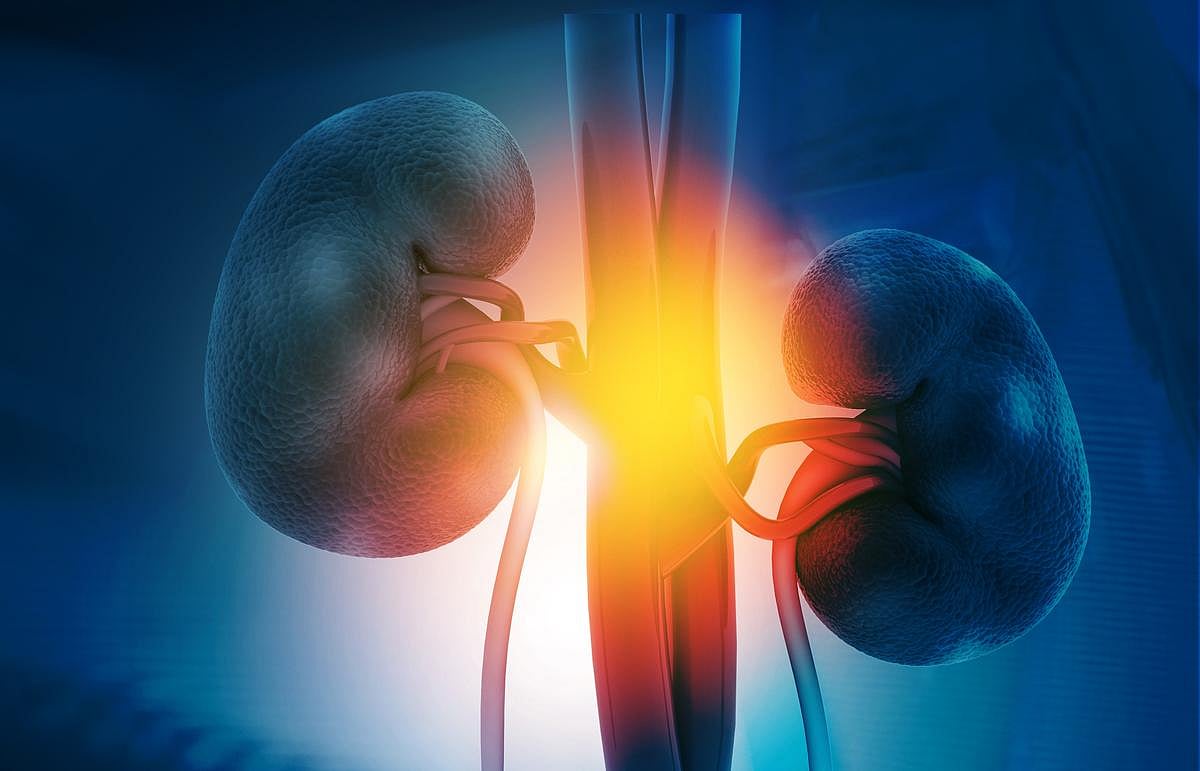
TUESDAY, Sept. 29, 2026 (HealthDay News) — Early complications are common in older kidney transplant recipients, according to a study published in the October issue of Transplantation Direct.
Daniele Vetrano, M.D., from Alma Mater Studiorum-University of Bologna in Italy, and colleagues identified pretransplant factors associated with a complicated early posttransplant course in older recipients. The analysis included 93 kidney transplant recipients aged 65 years and older.
The researchers found that 61 recipients (65.6 percent) experienced a complicated in-hospital course. Longer dialysis vintage and donor hypertension were associated with higher odds of the composite outcome of length of stay >15 days, infectious complications, delayed graft function, primary nonfunction, or in-hospital death. Preemptive transplantation and living donation were associated with lower odds of the composite outcome. During a median follow-up of 29.8 months, patients with a complicated early course had higher rates of the composite clinical end point, hospitalization, and infection, although these differences were not statistically significant in Cox regression analyses. In those with a complicated course, the crude estimated glomerular filtration rate was lower; however, kidney function was similar when adjusting for the discharge estimated glomerular filtration rate.
“Although individuals with an initially complicated in-hospital course experienced more subsequent adverse events, postdischarge clinical outcomes and adjusted graft function remained comparable to those of recipients with an uncomplicated course, suggesting that timely recognition and effective management of early complications may mitigate their longer-term impact,” the authors write.
.jpeg) 1997 to 2022 Saw Increase in Pediatric Hospitalizations With AKI
1997 to 2022 Saw Increase in Pediatric Hospitalizations With AKI  Frailty Linked to Incident Cognitive Decline in Men With CKD
  UACR, UPCR Provide Indistinguishable Prognostic Information in CKD
  PET/MRI Offers Diagnostic, Prognostic Value in Pediatric Epilepsy
  Frequent Cannabis Use Linked to Epilepsy Severity
  Less Intraoperative Crystalloid Fluid Not Tied to Worse Surgical Outcomes
  Socioeconomic Status Linked to Mortality After Acute Hip Fracture Surgery
  Relapse Rare After Appendiceal Adenocarcinoma Resection