


EUS-GBD has potential for nonoperative management of gallstone disease in patients with noncholecystitis gallbladder-related disease
TUESDAY, Feb. 1, 2022 (HealthDay News) — For patients with noncholecystitis (NC) gallbladder disease who are poor surgical candidates, endoscopic ultrasound‑guided transluminal gallbladder drainage (EUS-GBD) appears to be safe and effective for managing gallstone disease, according to a study recently published in Endoscopic Ultrasound.
Duncan J. Flynn, M.D., from Massachusetts General Hospital in Boston, and colleagues examined outcomes for EUS-GBD using data from a quaternary academic hospital for endoscopic procedures from 2015 to 2020. Data were included for 56 patients who underwent EUS-GBD for acute cholecystitis and NC indications, including biliary colic, gallstone pancreatitis, and secondary prevention of gallstone disease.
The researchers found that 41 interventions were performed for acute cholecystitis, and 15 were performed for NC indications, including primary treatment of symptomatic biliary colic and secondary prevention of gallstone pancreatitis and choledocholithiasis. No statistically significant differences in complications, mortality, or reintervention requirements were seen between the groups. The rate of immediate complications was 13.3 percent in the NC group, which were all managed medically; the rate in the cholecystitis group was 14.6 percent, all of which were managed medically or endoscopically, without need for surgical intervention.
“EUS‑GBD remains an emerging treatment for gallbladder disease in nonoperative candidates,” the authors write. “Our study is the first to demonstrate safety and technical success in NC cases.”
 PET/MRI Offers Diagnostic, Prognostic Value in Pediatric Epilepsy
 Odds of Imaging Order Higher When Clinicians Self-Interpret
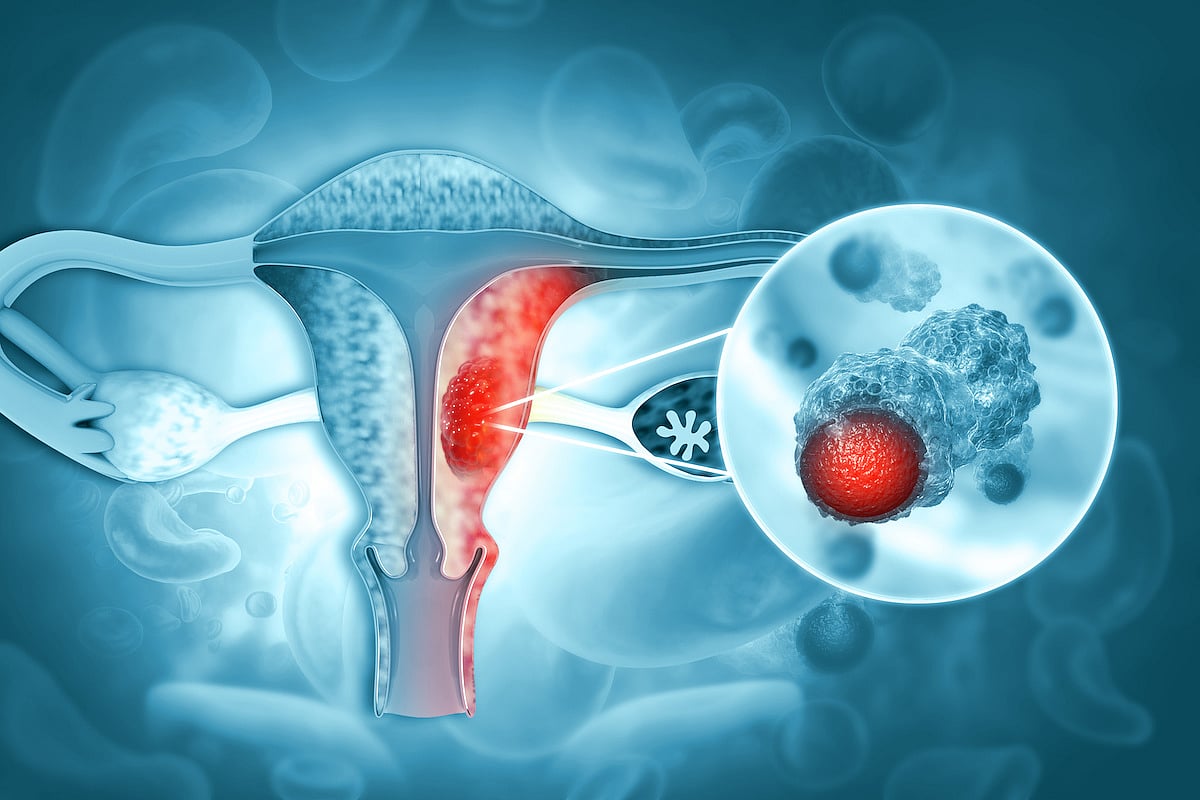 Catheter-Based OCT May Help ID Early Endometrial Cancer
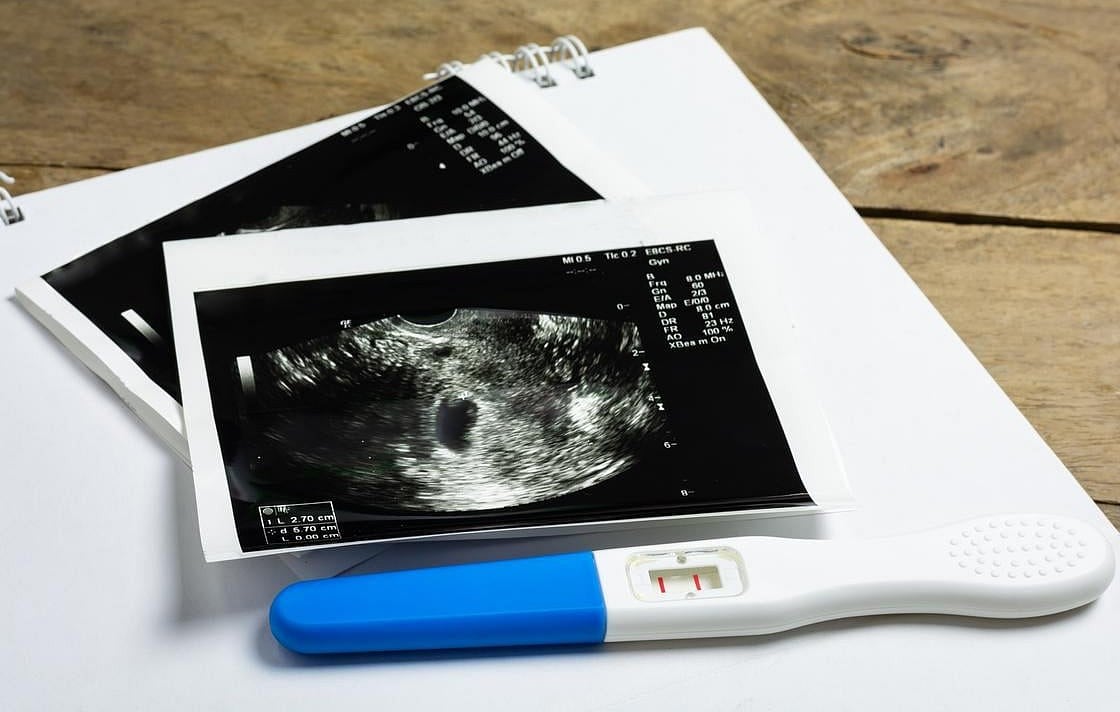 Wearable Ultrasound Patch Provides Continuous Fetal Monitoring
 Low Levels of Placental Growth Factor in Pregnancy Linked to Subsequent ADHD in Offspring
 Recommendations Issued for Use of Incretin-Based Meds in Pregnancy
.jpg) Pregnancy Complications Linked to Subsequent Risk for Cardiometabolic-Renal Conditions
 Isometric Exercise Training Three Times a Week Preserves Cardiovascular Benefits




