


However, scar located on lower lid mid subunit perpendicular to facial tension lines was rated as less attractive
TUESDAY, Dec. 6, 2022 (HealthDay News) — A single well-healed facial scar does not negatively affect first impressions of attractiveness, confidence, or friendliness, but specific scar location and orientation may result in lower perceived attractiveness, according to a study published in the December issue of Plastic and Reconstructive Surgery.
Zachary D. Zapatero, M.D., from the Children’s Hospital of Philadelphia, and colleagues recruited adult volunteers to complete a face rating scale to examine how facial scars are perceived. For each face, scars were added digitally in different locations and orientations for a total of 14 unique scars. Fifty different faces were rated on confidence, friendliness, and attractiveness by each participant.
A total of 88,850 ratings (93.4 percent scarred) were analyzed for attractiveness, friendliness, and confidence. The researchers found that the presence of a facial scar did not significantly impact attractiveness in a univariate linear mixed effects model. Interactions between location, subunit placement, and orientation to facial tension lines were examined in a second set of linear mixed effects models. Scars that were located on the lower lid mid subunit perpendicular to facial tension lines were rated as less attractive.
“Contrary to our predictions, we found that a single well-healed scar generally does not affect individuals’ first impressions of perceived attractiveness or confidence negatively and may even increase perceived friendliness,” a coauthor said in a statement.
 Morphea Linked to Higher Risk for Cancer
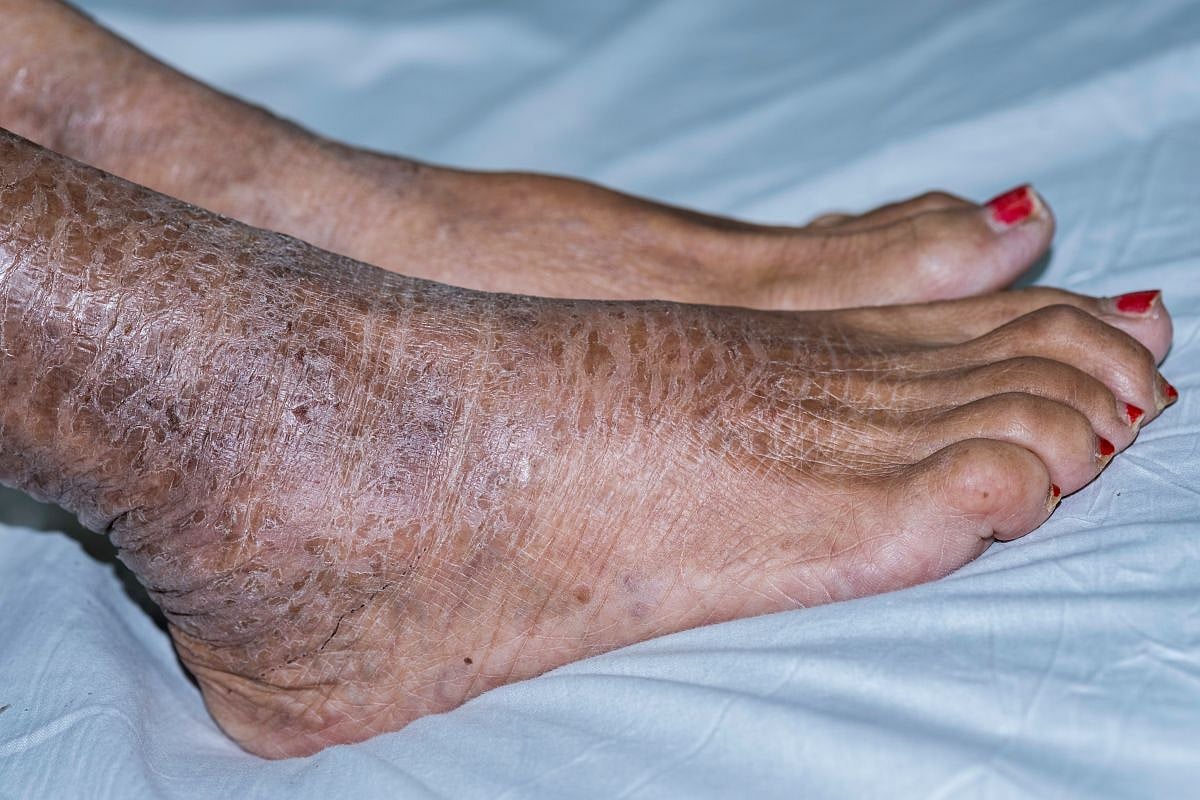 Congenital Ichthyosis Linked to Allergic Disorders
 Distinct Skin Microbiome Features Emerge Before Atopic Disease Onset in Infants
 Freshwater Swimming Tied to Stomach Bugs, Skin Conditions
 Environmental Lead Exposure Linked to Increased Risk for Strep in Children
 Occupational Exposure to Petroleum Linked to Increased Risk for MS
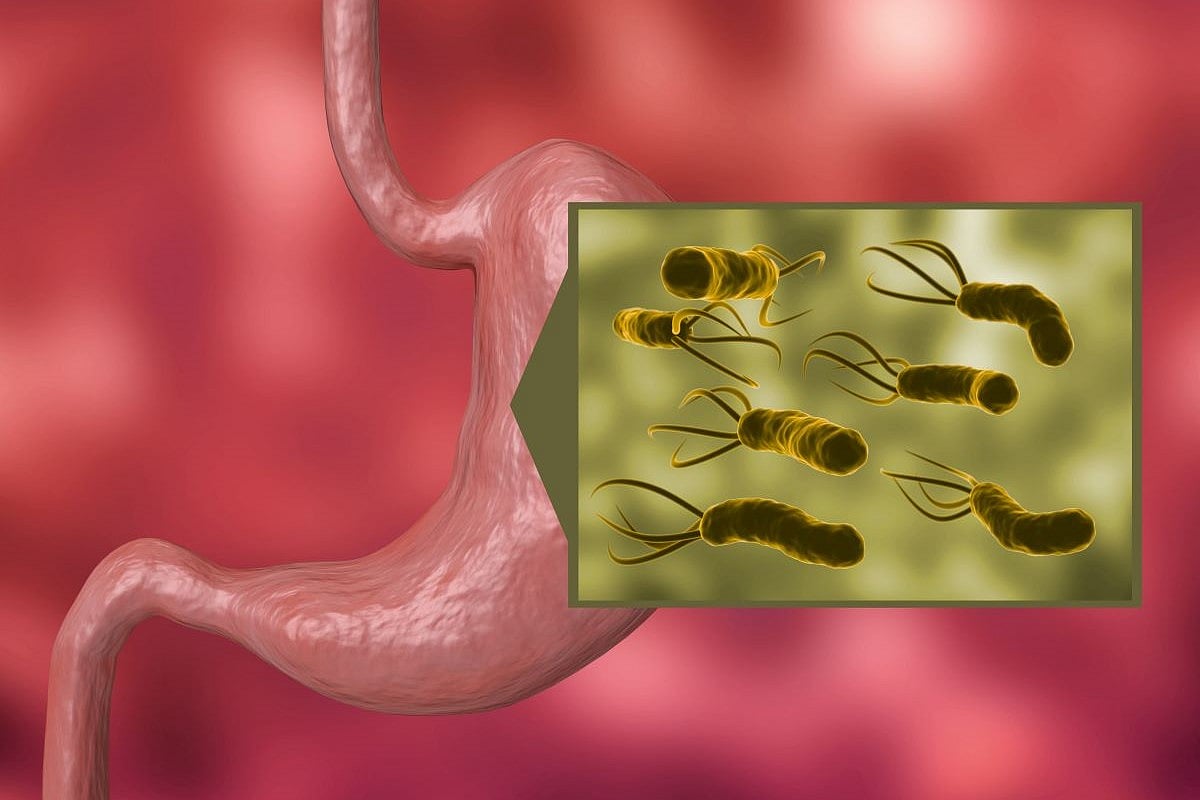 H. Pylori Exposure May Contribute to Global Burden of Colorectal Cancer
 About 1 in 20 Hospitalized U.S. Adults With Firearm Injuries Develop Bacterial Infections




.jpeg)
