


No association seen for aminomethylphosphonic acid
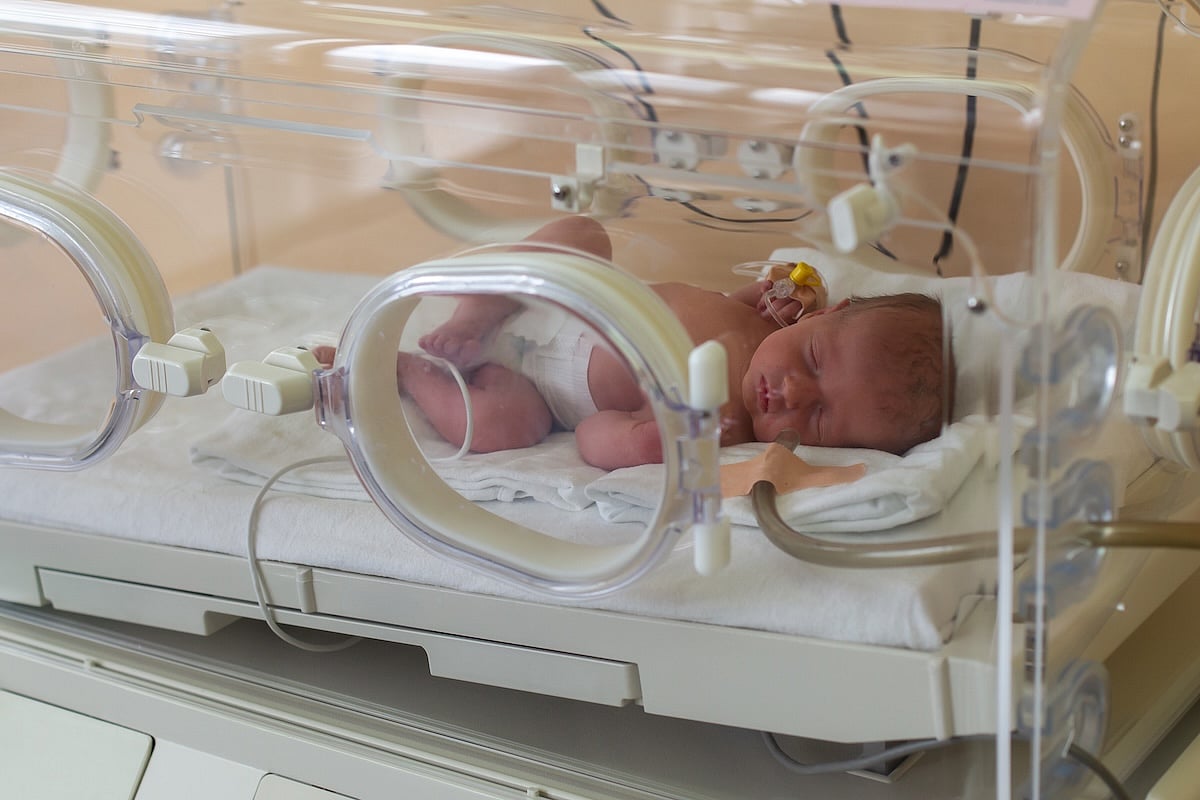
THURSDAY, Aug. 6, 2026 (HealthDay News) — Exposure to glyphosate, a widely used herbicide, during the middle months of pregnancy may increase the chance of preterm birth, according to a study published online July 14 in Environmental Pollution.
Teresa Herrera, M.P.H., from the New York University Grossman School of Medicine in New York City, and colleagues investigated associations of prenatal exposure to glyphosate (the active chemical ingredient in professional-grade Roundup products) and aminomethylphosphonic acid with preterm birth. The analysis included data from 1,450 participants in a prospective birth cohort in New York City (2016 to 2019), with urine samples at four to <18 weeks and 18 to 25 weeks of gestation.
The researchers found that glyphosate concentrations at 18 to 25 weeks were associated with preterm birth (odds ratio, 1.35) and spontaneous preterm birth (odds ratio, 2.01). However, aminomethylphosphonic acid was not associated with preterm birth.
“Our findings add to a growing body of evidence that exposure to glyphosate early in life may lead to health concerns that can echo throughout a lifetime,” Herrera said in a statement.
 Low Levels of Placental Growth Factor in Pregnancy Linked to Subsequent ADHD in Offspring
  Better Youth Fitness May Lower Risk for Depression in Adulthood
  Recommendations Issued for Use of Incretin-Based Meds in Pregnancy
  Maternal Vitamin D Status Linked to Preterm Delivery
  Serum 25(OH)D May Serve as Biomarker of Disease Activity in IBD
  IBD Not Linked to Risk for Hypertensive Disorders of Pregnancy Overall
  Nutritional Deficiencies Seen in Youth Taking GLP-1 Receptor Agonists
  Mom"s Poor Sleep in Late Pregnancy Linked to Offspring"s Obesity Risk in Early Childhood



.jpg)
