


Association seems to be particularly pronounced among individuals living in areas with higher socioeconomic deprivation
MONDAY, Sept. 13, 2021 (HealthDay News) — A healthy, plant-based diet is associated with lower risk and severity of COVID-19, according to a study published online Sept. 6 in Gut.
Jordi Merino, Ph.D., from the Diabetes Unit and Center for Genomic Medicine at Massachusetts General Hospital in Boston, and colleagues used data from 592,571 participants of the smartphone-based COVID-19 Symptom Study to evaluate the association of diet quality with the risk and severity of COVID-19 and its interaction with socioeconomic deprivation.
The researchers found that compared with individuals in the lowest quartile of the diet score, high diet quality was associated with a lower risk for COVID-19 (hazard ratio, 0.91) and severe COVID-19 (hazard ratio, 0.59). The combined association of low diet quality and increased deprivation on COVID-19 risk was greater than the sum of risk associated with each individual factor alone. For the lowest versus highest quartile of diet score, the corresponding absolute excess rate was 22.5 per 10,000 person-months among persons living in areas with low deprivation and 40.8 among persons living in areas with high deprivation.
“Our study suggests that efforts to address disparities in COVID-19 risk and severity should consider specific attention to improve nutrition as a social [determinant] of health,” the authors write.
 Nonmedical Expense Reimbursement May Make Cancer Trials More Accessible
 Recommendations Issued for Use of Incretin-Based Meds in Pregnancy
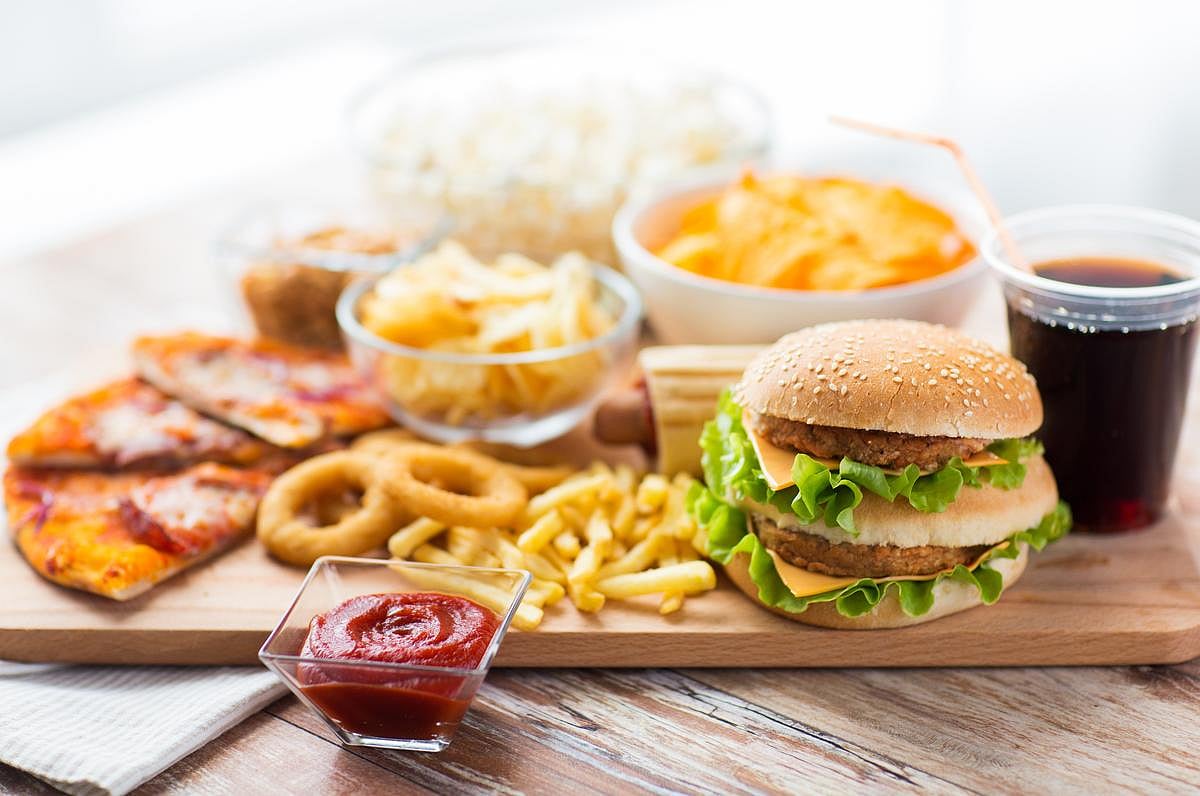 Eating More Ultraprocessed Foods Heightens Risk for Chronic Diseases
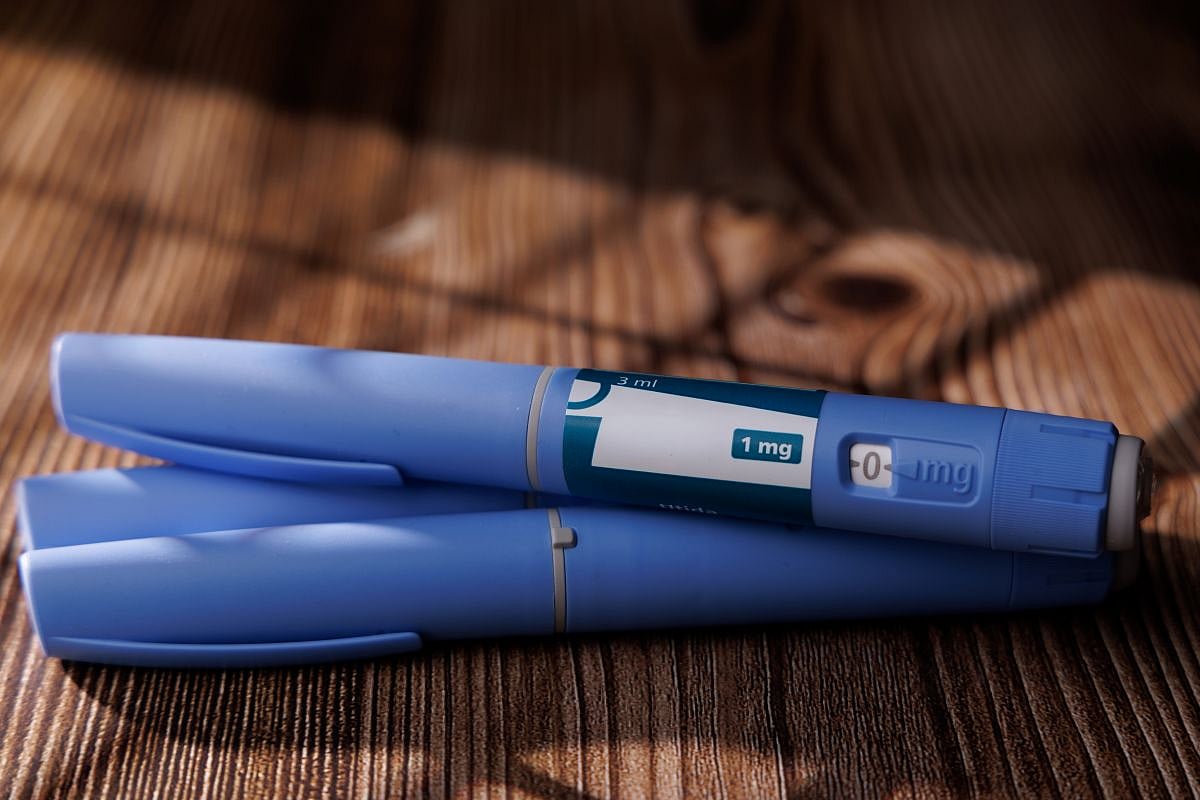 Nutritional Deficiencies Seen in Youth Taking GLP-1 Receptor Agonists
 High Intake of Salty Snacks in Adolescence Linked to Risk for IBD
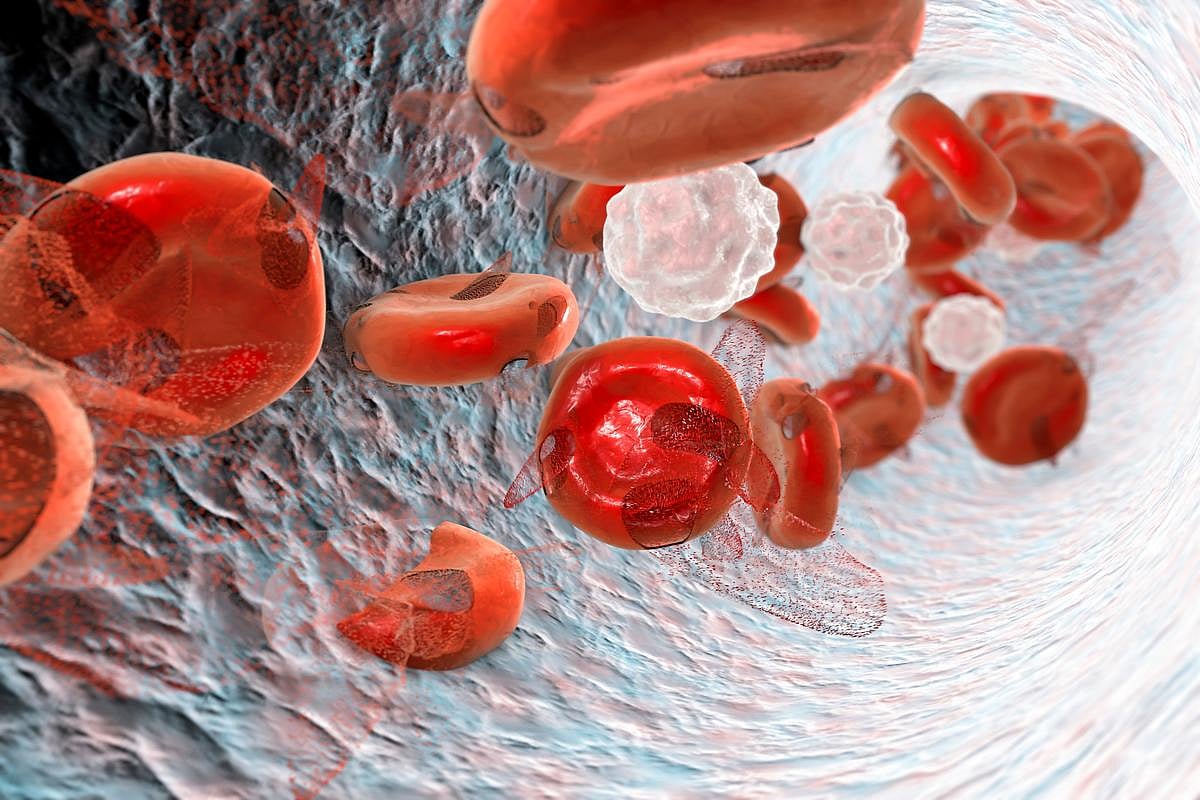 Iron Supplementation Likely to Reduce Iron-Deficiency Anemia in Children
 EHR-Enabled QI Intervention Improves Chlamydia, Gonorrhea Screening in Teens
.jpg) Considerable Gaps Reported in Care for Youth With Opioid Use Disorder



.jpeg)
