


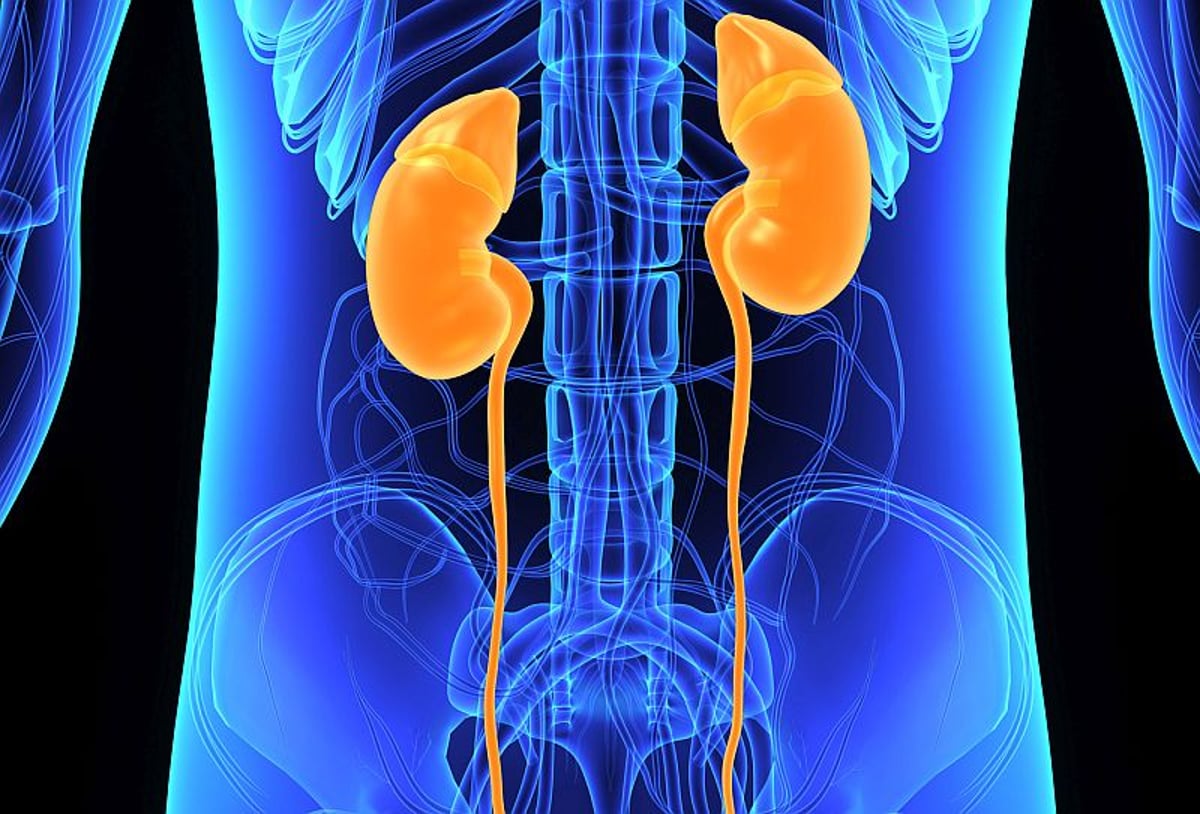
 Outcomes similar for HIV+, HIV− donors; trend toward higher rejection found for HIV+ donors
TUESDAY, July 28, 2020 (HealthDay News) — HIV-positive donor to HIV-positive recipient (HIV D+/R+) kidney transplantation (KT) is feasible, according to a study published online July 23 in the American Journal of Transplantation.
Christine M. Durand, M.D., from the Johns Hopkins University School of Medicine in Baltimore, and colleagues explored safety and risk attributable to an HIV+ donor. HIV D+/R+ KT was compared to HIV-negative donor to HIV+ recipient (HIV D−/R+) KT. Data were included for 75 HIV+ KTs, including 25 D+ and 50 D−, followed for a median of 1.7 years.
The researchers found no deaths were reported and there were no differences in D+ versus D− in one-year graft survival (91 versus 92 percent), one-year mean estimated glomerular filtration rate (63 versus 57 mL/min), HIV breakthrough (4 versus 6 percent), infectious hospitalizations (28 versus 26 percent), or opportunistic infections (16 versus 12 percent). D+ recipients had higher one-year rejection, although the difference was not statistically significant (50 versus 29 percent; hazard ratio, 1.83; 95 percent confidence interval, 0.84 to 3.95; P = 0.13); lower rejection was seen with lymphocyte-depleting induction (21 versus 44 percent; hazard ratio, 0.33; 95 percent confidence interval, 0.21 to 0.87; P = 0.03).
“This unique donor organ source has the potential to mitigate disparities for a vulnerable population that faces lower access to transplant and higher waitlist mortality,” the authors write.
Several authors disclosed financial ties to the pharmaceutical industry.
Abstract/Full Text (subscription or payment may be required)
 Alcohol From Spirits and Beer Linked to Acute Kidney Injury
 Removing Race From Dialysis Quality Measures Changes Mortality Performance
 Prep for Conservative Management, Dialysis Yield Similar Results in Older Patients With Kidney Failure
.jpg) Pregnancy Complications Linked to Subsequent Risk for Cardiometabolic-Renal Conditions
 Irregular Sleep Schedule Linked to Greater Symptoms of Mental Illness
 Physical Activity Before Cognitive Therapy Beneficial in Major Depressive Disorder
 Temporal Interference Stimulation Targeting Prefrontal Cortex May Alleviate Depression Symptoms
 Seniors With Hypertension Benefit From Pausing ACE Inhibitors, ARBs on Morning of Surgery
.jpeg)


